Thymus cilicicus
Thymus cilicicus · Accepted scientific name
Scientific literature: Very Extensive (242 studies) · ★★★★★
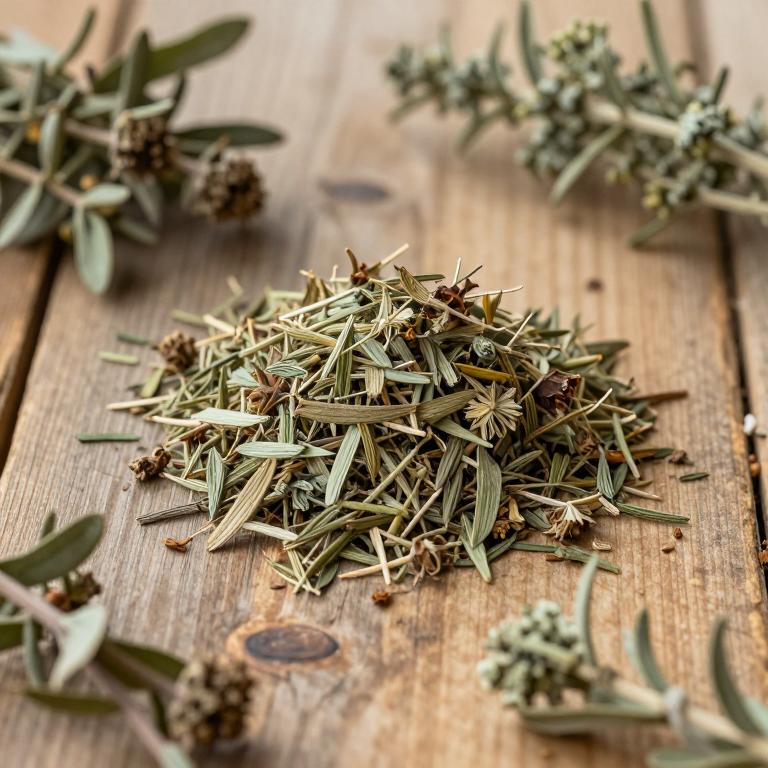
Thymus cilicicus, scientifically known as Thymus cilicicus, is a resilient perennial herb native to the Mediterranean region. Characterized by its tiny, serrated leaves and delicate flowering stems, this aromatic plant is valued for its potent essential oils, offering significant therapeutic properties, including antimicrobial and antioxidant benefits in traditional medicine.
- Family
- Not available
- Native range
- Asia-Temperate
- Parts used
- Not available
- Common names
- Not available
- Scientific synonyms
- Not available
Names and Synonyms
Scientific Names
Accepted name
Thymus cilicicusDistribution
This plant is primarily distributed across several distinct regions within Western Asia. Its habitat includes the East Aegean Islands, where it can be found growing in specific local environments. Furthermore, the species is widely documented throughout the Lebanon-Syria territory. It also maintains a significant presence across the diverse landscapes of Türkiye. Collectively, these locations define the specific geographical range of Thymus ciliaticus.
| Region | Area |
|---|---|
| Western Asia | East Aegean Is. |
| Western Asia | Lebanon-Syria |
| Western Asia | Türkiye |
Sources: The World Checklist of Vascular Plants (WCVP)
Botanical Identification
Life history
The life history of Thymus ciliaticus is characterized by a perennial growth pattern defined by its classification as a chamaephyte, a life form that ensures its survival through specialized architectural strategies. As a chamaephyte, the plant maintains its perennating buds close to the soil surface, typically just above the ground level, which allows it to withstand environmental stressors such as grazing or seasonal temperature fluctuations. This specific life form strategy positions it within the spectrum of low-growing vegetation, utilizing its proximity to the substrate to exploit microclimates while protecting its regenerative tissues. This survival mechanism is central to its ability to persist in its natural habitat, transitioning through seasonal cycles by relying on these protected buds to initiate new growth following periods of dormancy.
- Life form :
- chamaephyte
Morphology
The morphology of Thymus ciliicus is characterized by its growth habit as a terrestrial plant, existing entirely outside of aquatic or semiaquatic environments. It functions as a self-supporting organism, lacking the specialized structures required to act as an obligatory or facultative climber, and instead maintains its structure independently across the soil surface. As an independent species, it does not exhibit parasitic behavior, nor does it function as an epiphyte, maintaining a strictly terrestrial life cycle rather than growing upon other plants.
- Aquatic :
- terrestrial
- Climber :
- self-supporting
- Epiphyte :
- terrestrial
- Parasite :
- independent
Sources: Global Inventory of Floras and Traits (GIFT)
Chemicals
Thymus cilicicus has 37 reported phytochemicals identified across 0 scientific publications and several other databases. The most consistently reported chemicals include 1,8-Cineole, 1-OCTEN-3-OL, 5-METHYL-3-HEPTANONE, 6-Methyl-3-heptanol, Alpha terpinene.
| Chemical | Supporting sources | Consensus |
|---|---|---|
| 1,8-Cineole | 1 supporting sources | ★☆☆☆☆ |
| 1-OCTEN-3-OL | 1 supporting sources | ★☆☆☆☆ |
| 5-METHYL-3-HEPTANONE | 1 supporting sources | ★☆☆☆☆ |
| 6-Methyl-3-heptanol | 1 supporting sources | ★☆☆☆☆ |
| Alpha terpinene | 1 supporting sources | ★☆☆☆☆ |
| BETA-CARYOPHYLLENE | 1 supporting sources | ★☆☆☆☆ |
| BORNYL ACETATE | 1 supporting sources | ★☆☆☆☆ |
| CARVACROL | 1 supporting sources | ★☆☆☆☆ |
| CARVONE | 1 supporting sources | ★☆☆☆☆ |
| Caryophyllene oxide | 1 supporting sources | ★☆☆☆☆ |
1,8-Cineole
- Dr. Duke
1-OCTEN-3-OL
- Dr. Duke
5-METHYL-3-HEPTANONE
- Dr. Duke
6-Methyl-3-heptanol
- Dr. Duke
Alpha terpinene
- Dr. Duke
BETA-CARYOPHYLLENE
- Dr. Duke
BORNYL ACETATE
- Dr. Duke
CARVACROL
- Dr. Duke
CARVONE
- Dr. Duke
Caryophyllene oxide
- Dr. Duke
Activities
Thymus cilicicus has 201 reported activities identified across 0 scientific publications and several other databases. The most consistently reported activities include (-)-Chronotropic, (-)-Inotropic, ACE-Inhibitor, AChE-Inhibitor, Acaricide.
| Activity | Supporting sources | Consensus |
|---|---|---|
| (-)-Chronotropic | 1 supporting sources | ★☆☆☆☆ |
| (-)-Inotropic | 1 supporting sources | ★☆☆☆☆ |
| ACE-Inhibitor | 1 supporting sources | ★☆☆☆☆ |
| AChE-Inhibitor | 1 supporting sources | ★☆☆☆☆ |
| Acaricide | 1 supporting sources | ★☆☆☆☆ |
| Aldose-Reductase-Inhibitor | 1 supporting sources | ★☆☆☆☆ |
| Allelochemic | 1 supporting sources | ★☆☆☆☆ |
| Allelopathic | 1 supporting sources | ★☆☆☆☆ |
| Allergenic | 1 supporting sources | ★☆☆☆☆ |
| Analgesic | 1 supporting sources | ★☆☆☆☆ |
(-)-Chronotropic
- Dr. Duke
(-)-Inotropic
- Dr. Duke
ACE-Inhibitor
- Dr. Duke
AChE-Inhibitor
- Dr. Duke
Acaricide
- Dr. Duke
Aldose-Reductase-Inhibitor
- Dr. Duke
Allelochemic
- Dr. Duke
Allelopathic
- Dr. Duke
Allergenic
- Dr. Duke
Analgesic
- Dr. Duke
Conditions
Thymus cilicicus has 4 reported investigations on conditions identified across 0 scientific publications and several other databases. The most consistently reported conditions include Enterococcus faecalis, Escherichia coli, Pseudomonas aeruginosa, Staphylococcus aureus.
| Condition | Supporting sources | Consensus |
|---|---|---|
| Enterococcus faecalis | 1 supporting sources | ★☆☆☆☆ |
| Escherichia coli | 1 supporting sources | ★☆☆☆☆ |
| Pseudomonas aeruginosa | 1 supporting sources | ★☆☆☆☆ |
| Staphylococcus aureus | 1 supporting sources | ★☆☆☆☆ |
Enterococcus faecalis
- Molecular biology reports
Escherichia coli
- Molecular biology reports
Pseudomonas aeruginosa
- Molecular biology reports
Staphylococcus aureus
- Molecular biology reports
Preparations
Thymus cilicicus has 3 reported preparations identified across 0 scientific publications and several other databases. The most consistently reported preparations include chloroform extracts, ethanol extracts, hexane extracts.
| Preparation | Supporting sources | Consensus |
|---|---|---|
| Chloroform extracts | 1 supporting sources | ★☆☆☆☆ |
| Ethanol extracts | 1 supporting sources | ★☆☆☆☆ |
| Hexane extracts | 1 supporting sources | ★☆☆☆☆ |
Chloroform extracts
- Molecular biology reports
Ethanol extracts
- Molecular biology reports
Hexane extracts
- Molecular biology reports