Portuguese Thyme
Thymus carnosus · Accepted scientific name
Scientific literature: Very Sparse (11 studies) · ★☆☆☆☆
Portuguese Thyme, scientifically known as Thymus carnosus, is a resilient, aromatic shrub native to the Mediterranean region. Renowned for its potent essential oils, this medicinal herb offers significant antioxidant and antimicrobial properties. Traditionally used to support respiratory health and digestion, it remains a vital component in natural wellness practices.
- Family
- Lamiaceae
- Native range
- Europe
- Parts used
- Not available
- Common names
- Portuguese Thyme
- Scientific synonyms
- Origanum Carnosum · Thymus Mastichina Var. Carnosus
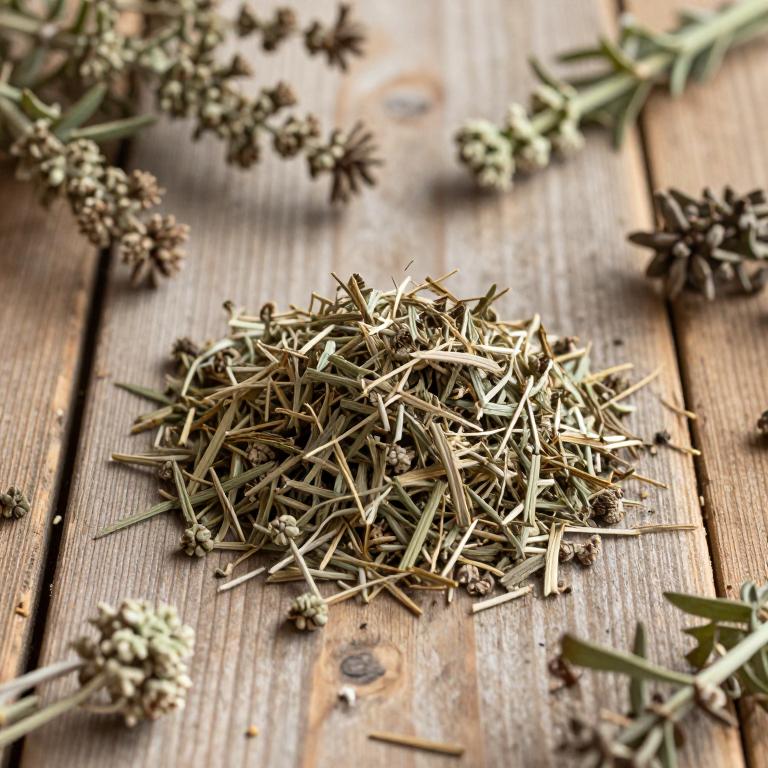
Names and Synonyms
Common Names
- Portuguese Thyme
Scientific Names
Accepted name
Thymus carnosusSynonyms
- Origanum carnosum
- Thymus mastichina var. carnosus
Regional and Traditional Names
Spanish:
- Tomillo Carnoso
- Tomillo Carnoso
Sources: Wikidata, Catalogue of Life
Taxonomical Classification
This plant belongs to the kingdom Plantae and the phylum Streptophyta, specifically within the class Equisetopsida and subclass Magnoliidae. It is further classified under the order Lamiales and the family Lamiaceae. Ultimately, the species is identified under the genus Thymus.
| Rank | Classification |
|---|---|
| Kingdom | Plantae |
| Phylum | Streptophyta |
| Class | Equisetopsida |
| Subclass | Magnoliidae |
| Order | Lamiales |
| Family | Lamiaceae |
| Genus | Thymus |
Sources: The World Checklist of Vascular Plants (WCVP)
Distribution
This plant is native to the specific regions of Southwestern Europe. Its natural habitat is primarily concentrated within the borders of Portugal. Additionally, it can be found growing across various landscapes in Spain. These two countries represent its primary geographical range. Therefore, the distribution of Thymus carnosus is limited to these particular Iberian territories.
| Region | Area |
|---|---|
| Southwestern Europe | Portugal |
| Southwestern Europe | Spain |
Sources: The World Checklist of Vascular Plants (WCVP)
Botanical Identification
Life history
The life history of Thymus carnosus is characterized by its classification as a chamaephyte, a life form that dictates its survival strategy in its specific ecological niche. As a chamaephyte, the plant maintains its perennating buds close to the soil surface, often nestled within or just above the substrate, which provides protection against environmental stressors such as extreme temperature fluctuations or desiccation. This life form strategy allows it to thrive in open, often rocky or arid habitats where staying low to the ground minimizes exposure to wind and harsh climatic conditions. By positioning its vital regenerative structures near the ground level, Thymus carnosus ensures its ability to persist through unfavorable seasons and re-emerge during favorable growing periods, facilitating its long-term survival and reproductive success in its natural environment.
- Life form :
- chamaephyte
Morphology
The morphology of Thymus carnosus is characterized by a growth habit that functions as a self-supporting climber, meaning it possesses the structural integrity to ascend or spread through its own mechanical strength. It is an independent organism that does not exhibit parasitic behavior, functioning entirely through its own metabolic processes without reliance on a host. Furthermore, the plant is strictly terrestrial in its ecological placement, maintaining a life cycle rooted in the soil rather than functioning as an epiphyte.
- Climber :
- self-supporting
- Epiphyte :
- terrestrial
- Parasite :
- independent
Sources: Global Inventory of Floras and Traits (GIFT)
Chemicals
Thymus carnosus has 4 reported phytochemicals identified across 0 scientific publications and several other databases. The most consistently reported chemicals include Borneol, CAMPHENE, Flavonoids, Ursolic acid.
| Chemical | Supporting sources | Consensus |
|---|---|---|
| Borneol | 1 supporting sources | ★☆☆☆☆ |
| CAMPHENE | 1 supporting sources | ★☆☆☆☆ |
| Flavonoids | 1 supporting sources | ★☆☆☆☆ |
| Ursolic acid | 1 supporting sources | ★☆☆☆☆ |
Borneol
- Journal of ethnopharmacology
CAMPHENE
- Journal of ethnopharmacology
Flavonoids
- International journal of molecular sciences
Ursolic acid
- International journal of molecular sciences
Activities
Thymus carnosus has 5 reported activities identified across 0 scientific publications and several other databases. The most consistently reported activities include Antiaging, Antidiabetic, Antioxidant, Antitussive, Neuroprotective.
| Activity | Supporting sources | Consensus |
|---|---|---|
| Antiaging | 1 supporting sources | ★☆☆☆☆ |
| Antidiabetic | 1 supporting sources | ★☆☆☆☆ |
| Antioxidant | 1 supporting sources | ★☆☆☆☆ |
| Antitussive | 1 supporting sources | ★☆☆☆☆ |
| Neuroprotective | 1 supporting sources | ★☆☆☆☆ |
Antiaging
- Antioxidants (Basel, Switzerland)
Antidiabetic
- Antioxidants (Basel, Switzerland)
Antioxidant
- Antioxidants (Basel, Switzerland)
Antitussive
- Journal of ethnopharmacology
Neuroprotective
- Antioxidants (Basel, Switzerland)
Conditions
Thymus carnosus has 1 reported investigations on conditions identified across 0 scientific publications and several other databases. The most consistently reported conditions include antitussive.
| Condition | Supporting sources | Consensus |
|---|---|---|
| Antitussive | 1 supporting sources | ★☆☆☆☆ |
Antitussive
- Journal of ethnopharmacology
Preparations
Thymus carnosus has 1 reported preparations identified across 0 scientific publications and several other databases. The most consistently reported preparations include essential oils.
| Preparation | Supporting sources | Consensus |
|---|---|---|
| Essential oils | 1 supporting sources | ★☆☆☆☆ |
Essential oils
- Journal of ethnopharmacology