Thymus cariensis
Thymus cariensis · Accepted scientific name
Scientific literature: Very Sparse (13 studies) · ★☆☆☆☆
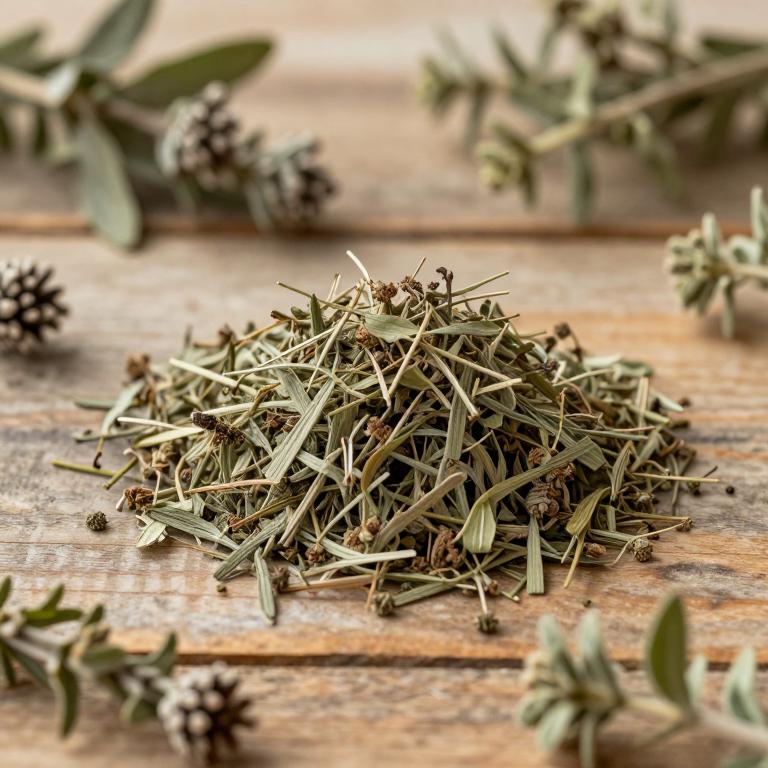
, scientifically known as Thymus cariensis, is a fragrant perennial herb belonging to the Lamiaceae family. Native to the Mediterranean, this resilient species is valued for its aromatic oils. Traditionally used in herbal medicine, it possesses potent antimicrobial and antioxidant properties, making it a significant plant in ethnopharmacology.
- Family
- Lamiaceae
- Native range
- Asia-Temperate
- Parts used
- Not available
- Common names
- Not available
- Scientific synonyms
- Not available
Names and Synonyms
Scientific Names
Accepted name
Thymus cariensisSources: Wikidata
Taxonomical Classification
This plant belongs to the kingdom Plantae and the phylum Streptophyta within the class Equisetopsida. It is further classified under the subclass Magnoliidae, the order Lamiales, and the family Lamiaceae. Ultimately, it is identified by its genus, Thymus.
| Rank | Classification |
|---|---|
| Kingdom | Plantae |
| Phylum | Streptophyta |
| Class | Equisetopsida |
| Subclass | Magnoliidae |
| Order | Lamiales |
| Family | Lamiaceae |
| Genus | Thymus |
Sources: The World Checklist of Vascular Plants (WCVP)
Distribution
This plant, known scientifically as Thymus cariensis, exhibits a very specific and limited geographical range. Its natural habitat is primarily concentrated within the region of Western Asia. Specifically, the species is native to the diverse landscapes found throughout Türkiye. Within this territory, it thrives in particular ecological niches that support its growth. Consequently, its distribution is characterized by a highly localized presence in this single country.
| Region | Area |
|---|---|
| Western Asia | Türkiye |
Sources: The World Checklist of Vascular Plants (WCVP)
Botanical Identification
Life history
The life history of Thymus cariensis is characterized by its classification as a chamaephyte, a growth form that dictates its survival strategy in Mediterranean-type ecosystems. Specifically, it functions as a chamaephyte in both its primary life form categorization and its specialized ecological niche, meaning its perennating buds are located close to the soil surface, often just above it. This life history strategy allows the plant to endure seasonal environmental stressors, such as intense solar radiation and periodic drought, by keeping its vegetative structures low to the ground. As a perennial subshrub, it maintains a persistent presence in its habitat, utilizing its low-lying architecture to minimize exposure to desiccating winds while maximizing thermal absorption from the substrate. This chamaphyte life cycle ensures long-term stability within its ecological community, allowing the plant to regenerate annually from protected buds near the ground level.
- Life form :
- chamaephyte
Morphology
The morphology of Thymus cariensis is characterized by its growth habit as a self-supporting plant, meaning it does not require external structures for vertical ascension, functioning as a self-supporting woody subshrub rather than a climber. It maintains a completely independent existence, lacking any parasitic tendencies and operating as an independent organism that does not rely on a host for nutrients. Furthermore, the plant is strictly terrestrial in its ecological positioning, establishing its root system within the soil as a terrestrial species rather than growing as an epiphyte on other vegetation.
- Climber :
- self-supporting
- Epiphyte :
- terrestrial
- Parasite :
- independent
Sources: Global Inventory of Floras and Traits (GIFT)
Chemicals
Thymus cariensis has 11 reported phytochemicals identified across 0 scientific publications and several other databases. The most consistently reported chemicals include Nicotiflorin, RUTIN, apigenin, caffeic acid, fumaric acid.
| Chemical | Supporting sources | Consensus |
|---|---|---|
| Nicotiflorin | 1 supporting sources | ★☆☆☆☆ |
| RUTIN | 1 supporting sources | ★☆☆☆☆ |
| apigenin | 1 supporting sources | ★☆☆☆☆ |
| caffeic acid | 1 supporting sources | ★☆☆☆☆ |
| fumaric acid | 1 supporting sources | ★☆☆☆☆ |
| malic acid | 1 supporting sources | ★☆☆☆☆ |
| naringenin | 1 supporting sources | ★☆☆☆☆ |
| p-coumaric acid | 1 supporting sources | ★☆☆☆☆ |
| quinic acid | 1 supporting sources | ★☆☆☆☆ |
| salicylic acid | 1 supporting sources | ★☆☆☆☆ |
Nicotiflorin
- Frontiers in pharmacology
RUTIN
- Frontiers in pharmacology
apigenin
- Frontiers in pharmacology
caffeic acid
- Frontiers in pharmacology
fumaric acid
- Frontiers in pharmacology
malic acid
- Frontiers in pharmacology
naringenin
- Frontiers in pharmacology
p-coumaric acid
- Frontiers in pharmacology
quinic acid
- Frontiers in pharmacology
salicylic acid
- Frontiers in pharmacology
Conditions
Thymus cariensis has 2 reported investigations on conditions identified across 0 scientific publications and several other databases. The most consistently reported conditions include Candida tropicalis, respiratory tract.
| Condition | Supporting sources | Consensus |
|---|---|---|
| Candida tropicalis | 1 supporting sources | ★☆☆☆☆ |
| Respiratory tract | 1 supporting sources | ★☆☆☆☆ |
Candida tropicalis
- Frontiers in pharmacology
Respiratory tract
- Frontiers in pharmacology