Thymelaea microphylla
Thymelaea microphylla · Accepted scientific name
Scientific literature: Very Sparse (14 studies) · ★☆☆☆☆
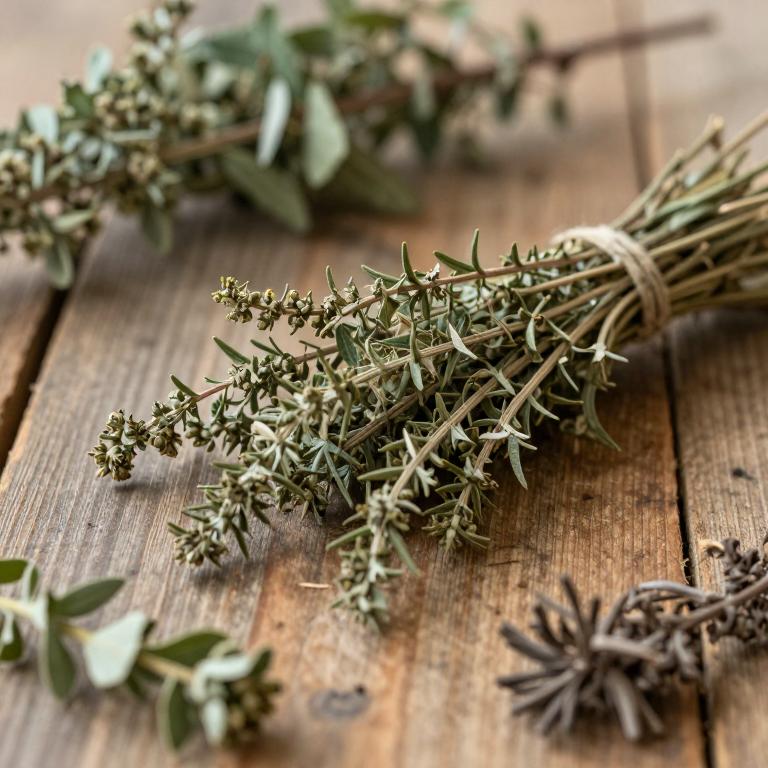
Thymelaea microphylla, scientifically known as Thymelaea microphylla, is a distinctive medicinal shrub native to specific subtropical regions. Renowned for its unique botanical characteristics, this plant offers significant therapeutic potential. Traditional healers often utilize its bioactive compounds to address various ailments, highlighting its profound importance in ethnobotanical studies and pharmacology.
- Family
- Thymelaeaceae
- Native range
- Africa
- Parts used
- Flower · Leaf
- Common names
- Not available
- Scientific synonyms
- Stellera Microphylla · Passerina Microphylla
Names and Synonyms
Scientific Names
Accepted name
Thymelaea microphyllaSynonyms
- Stellera microphylla
- Passerina microphylla
Sources: Wikidata
Taxonomical Classification
This plant belongs to the kingdom Plantae and the phylum Streptophyta, situated within the class Equisetopsida and subclass Magnoliidae. It is classified under the order Malvales and is a member of the family Thymelaeaceae. Specifically, its taxonomic identity is defined by the genus Thymelaea.
| Rank | Classification |
|---|---|
| Kingdom | Plantae |
| Phylum | Streptophyta |
| Class | Equisetopsida |
| Subclass | Magnoliidae |
| Order | Malvales |
| Family | Thymelaeaceae |
| Genus | Thymelaea |
Sources: The World Checklist of Vascular Plants (WCVP)
Distribution
This plant is native to the diverse landscapes of Northern Africa. Its specific geographical range includes the coastal and mountainous regions of Morocco. It can also be found growing across the territories of Algeria. Furthermore, the species extends its distribution into the country of Tunisia. Finally, its presence is documented within the borders of Libya as well.
| Region | Area |
|---|---|
| Northern Africa | Algeria |
| Northern Africa | Libya |
| Northern Africa | Morocco |
| Northern Africa | Tunisia |
Sources: The World Checklist of Vascular Plants (WCVP)
Plant Parts
Thymelaea microphylla has 2 reported plant parts identified across 2 scientific publications and several other databases that are studied for medicinal purposes. The most consistently reported plant part include flower, leaf.
| Plant part | Supporting sources | Consensus |
|---|---|---|
| Flower | 1 supporting sources | ★☆☆☆☆ |
| Leaf | 1 supporting sources | ★☆☆☆☆ |
Flower
- Pharmacognosy magazine
Leaf
- Pharmacognosy magazine
Chemicals
Thymelaea microphylla has 3 reported phytochemicals identified across 2 scientific publications and several other databases. The most consistently reported chemicals include Flavonoids, Lignans, benzyl alcohol glucoside.
| Chemical | Supporting sources | Consensus |
|---|---|---|
| Flavonoids | 1 supporting sources | ★☆☆☆☆ |
| Lignans | 1 supporting sources | ★☆☆☆☆ |
| benzyl alcohol glucoside | 1 supporting sources | ★☆☆☆☆ |
Flavonoids
- Natural product research
Lignans
- Natural product research
benzyl alcohol glucoside
- Natural product research
Activities
Thymelaea microphylla has 3 reported activities identified across 2 scientific publications and several other databases. The most consistently reported activities include Anticancer, Antidiabetic, Antioxidant.
| Activity | Supporting sources | Consensus |
|---|---|---|
| Anticancer | 1 supporting sources | ★☆☆☆☆ |
| Antidiabetic | 1 supporting sources | ★☆☆☆☆ |
| Antioxidant | 1 supporting sources | ★☆☆☆☆ |
Anticancer
- Pharmacognosy magazine
Antidiabetic
- Pharmacognosy magazine
Antioxidant
- Pharmacognosy magazine
Conditions
Thymelaea microphylla has 5 reported investigations on conditions identified across 2 scientific publications and several other databases. The most consistently reported conditions include atherosclerosis, cancer, inflammation, oxidative stress, vascular diseases.
| Condition | Supporting sources | Consensus |
|---|---|---|
| Atherosclerosis | 1 supporting sources | ★☆☆☆☆ |
| Cancer | 1 supporting sources | ★☆☆☆☆ |
| Inflammation | 1 supporting sources | ★☆☆☆☆ |
| Oxidative stress | 1 supporting sources | ★☆☆☆☆ |
| Vascular diseases | 1 supporting sources | ★☆☆☆☆ |
Atherosclerosis
- Pharmacognosy magazine
Cancer
- Pharmacognosy magazine
Inflammation
- Pharmacognosy magazine
Oxidative stress
- Pharmacognosy magazine
Vascular diseases
- Pharmacognosy magazine