Thuja
Thuja · Accepted scientific name
Scientific literature: Very Sparse (0 studies) · ★☆☆☆☆
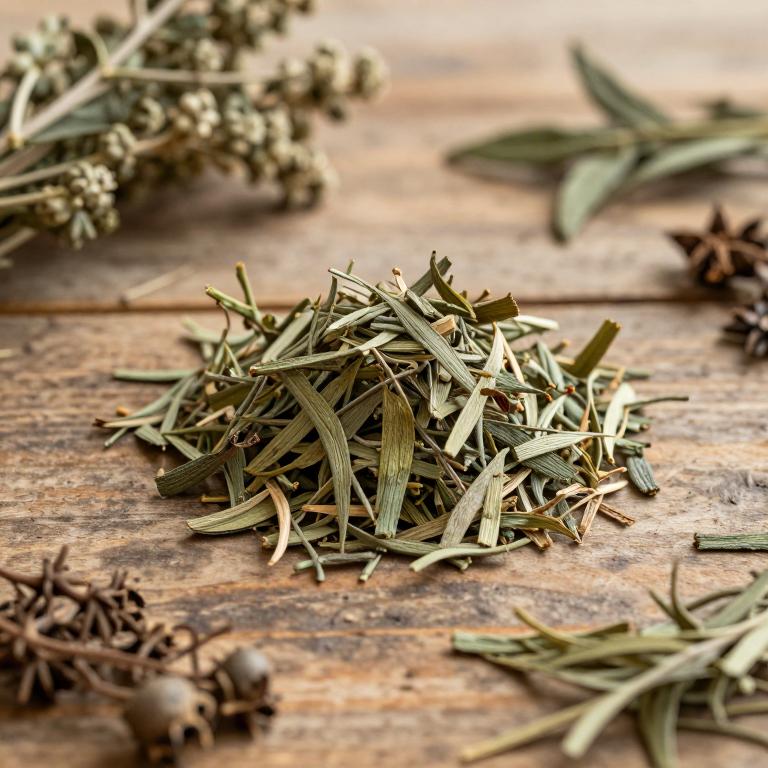
Thuja is a versatile genus of coniferous trees often celebrated for their dense, evergreen foliage. Each individual leaf is scale-like, forming a flat and lush texture that provides year-round privacy. These plants are widely utilized in landscaping to create natural living fences and elegant garden borders. Because of their compact growth habits, many species are ideal for both small residential yards and expansive estates. Understanding the unique structure of the leaf helps gardeners maintain these beautiful evergreens effectively.
- Synonyms
- Not available
- Common names
- Not available
- Family
- Cupressaceae
- Distribution
- Southern America
- Plant Parts
- Leaf
Classification
Common Names
Thuja is a versatile plant that is recognized by many different names across various cultures and languages. In some regions, it is affectionately known by the common names Elupuu or Giizhik. Moving into Germanic linguistic traditions, you may encounter it referred to as Lebensbaum or the plural Lebensbäume. Similarly, the Dutch variation Levensbomen is also frequently used to identify this species. These diverse monikers highlight the widespread global presence and cultural significance of this unique plant.
Sources: Catalogue of Life (COL)
Taxonomy
Thuja belongs to the vast kingdom Plantae, representing a fundamental branch of the living world. Within this expansive group, it is classified under the class Equisetopsida and the order Pinales. This botanical lineage continues as it resides within the specific family Cupressaceae. Further narrowing its identity, the plant is defined by its membership in the genus Thuja. Together, these taxonomic layers provide a clear scientific framework for understanding its biological placement.
| Rank | Classification |
|---|---|
| Kingdom | Plantae |
| Phylum | Streptophyta |
| Class | Equisetopsida |
| Subclass | Pinidae |
| Order | Pinales |
| Family | Cupressaceae |
| Genus | Thuja |
Sources: The World Checklist of Vascular Plants (WCVP)
Distribution
Geographic Regions
Thuja exhibits a widespread distribution across various temperate regions of Asia. Its presence is notably established throughout China, spanning from the South-Central provinces to the Manchuria region. The species also thrives across Eastern Asia, with significant populations found in both Japan and Korea. Furthermore, its reach extends into the rugged landscapes of Siberia, specifically within the Altay territory. This extensive geographic range highlights the plant's ability to adapt to diverse environmental conditions across the continent.
Sources: The World Checklist of Vascular Plants (WCVP)
Identification
Biological Activities
Compounds
Conditions
Thuja leaf extracts demonstrate significant efficacy in managing the impact of Fig leaf mottle-associated virus 1 (FLMaV-1) in fig trees. These medicinal extracts serve as an effective treatment for mitigating the mosaic disease symptoms caused by the virus. Specifically, the application of Thuja was found to be efficient in preventing the further development of symptoms in infected rooted cuttings. By utilizing these extracts in post-grafting experiments, researchers observed a positive effect on the expression of disease characteristics. Ultimately, Thuja plays a vital role in inhibiting the symptomatic progression of this closterovirus within fig plantations.
Preparations
Parts used
Thuja leaves serve as a vital component in recent medicinal research aimed at combating plant viruses. Scientists have specifically investigated the efficacy of extracts derived from these leaves to mitigate the impact of the Fig leaf mottle-associated virus 1. During post-grafting experiments, the application of Thuja leaf extract demonstrated significant effectiveness in preventing the development of disease symptoms. This specific plant part contributes to a broader study involving other natural substances like ginger roots and turmeric rhizomes. Ultimately, the use of Thuja leaves highlights the potential for botanical extracts to influence virus multiplication and protect agricultural health.