Thouinia striata
Thouinia striata · Accepted scientific name
Scientific literature: Very Sparse (2 studies) · ★☆☆☆☆
Thouinia striata is a botanical species that has garnered significant interest within the field of pharmacological research. Recent studies have focused on evaluating the biological potential of its crude extract to identify therapeutic benefits. Specifically, investigations have highlighted the plant's notable cytotoxic properties when applied to various cell lines. Furthermore, the species demonstrates promising antitumor activities that warrant deeper scientific exploration. These findings suggest that Thouinia striata could serve as a valuable source for developing new anticancer agents.
- Synonyms
- Thyana Striata
- Common names
- Not available
- Family
- Sapindaceae
- Distribution
- Not available
- Plant Parts
- Not available
Classification
Common Names
Thouinia striata is a botanical species known by a diverse array of regional monikers. Depending on the local dialect, this plant is frequently referred to as Ceboruquillo or Guabá. It is also widely recognized by the name Quebracha, a term that carries significant cultural weight. Some communities prefer the spelling Quiebrahacha to describe the same unique specimen. Finally, the plant is identified as Serrasuela, illustrating the rich linguistic variety surrounding its identity.
Sources: Catalogue of Life (COL)
Synonyms
Thouinia striata is a botanical species that is frequently identified in scientific literature under different names. In many taxonomic records, it is formally recognized by its synonym, Thyana striata. This nomenclature overlap can sometimes cause confusion for researchers and botanists studying its specific characteristics. Understanding these synonymous relationships is essential for maintaining accuracy in plant classification and database management. Therefore, recognizing both terms ensures that all data pertaining to this plant remains properly integrated.
Sources: The World Checklist of Vascular Plants (WCVP)
Taxonomy
Thouinia striata is a remarkable species that belongs to the diverse kingdom Plantae. Within this vast kingdom, the plant is classified under the class Equisetopsida. It further resides in the order Sapindales, showcasing its specific evolutionary lineage. As a member of the genus Thouinia, it displays unique botanical characteristics shared by its close relatives. Finally, this plant is nested within the Sapindaceae family, completing its complex biological profile.
| Rank | Classification |
|---|---|
| Kingdom | Plantae |
| Phylum | Streptophyta |
| Class | Equisetopsida |
| Subclass | Magnoliidae |
| Order | Sapindales |
| Family | Sapindaceae |
| Genus | Thouinia |
Sources: The World Checklist of Vascular Plants (WCVP)
Distribution
Geographic Regions
Thouinia striata is a distinctive botanical species primarily concentrated within the lush landscapes of Southern America. Its presence extends across the vibrant ecosystems of the Caribbean, where it plays a vital role in the local flora. In particular, the plant thrives within the unique environmental conditions found in Puerto Rico. This wide distribution highlights its adaptability to various tropical climates throughout the region. Understanding its geographic range is essential for studying the biodiversity of these interconnected territories.
Sources: The World Checklist of Vascular Plants (WCVP)
Identification
Morphology
Thouinia striata is a self-supporting tree that maintains a sturdy and stable structure. This species typically reaches a maximum height of 10 meters as it matures. Its growth form allows it to stand prominently within its natural habitat.
Sources: Global Inventory of Floras and Traits (GIFT)
Biological Activities
Thouinia striata was among the seven species of endemic and native Puerto Rican plants selected for biological screening in this study. Researchers focused on evaluating the extracts of these plants to determine their specific medicinal potential. Through rigorous testing, the plant demonstrated significant cytotoxic activity during the evaluation process. Furthermore, the study identified that Thouinia striata also possesses antitumor properties. These findings contribute to the broader understanding of the therapeutic capabilities found within the region's diverse botanical landscape.
Compounds
Conditions
Thouinia striata was included in a biological screening of native Puerto Rican plants to evaluate its potential anticancer and cytotoxic properties. The study specifically tested extracts of this species against Artemia salina and three different breast cancer cell lines. Researchers sought to determine if the plant could exhibit significant cytotoxic effects or inhibit the growth of cancerous cells. While other species like Guaiacum officinale showed higher potency, Thouinia striata remains a subject of interest regarding its medicinal bioactivity. Ultimately, the investigation aimed to explore how the plant might treat anticancer activities through its unique chemical profile.
Preparations
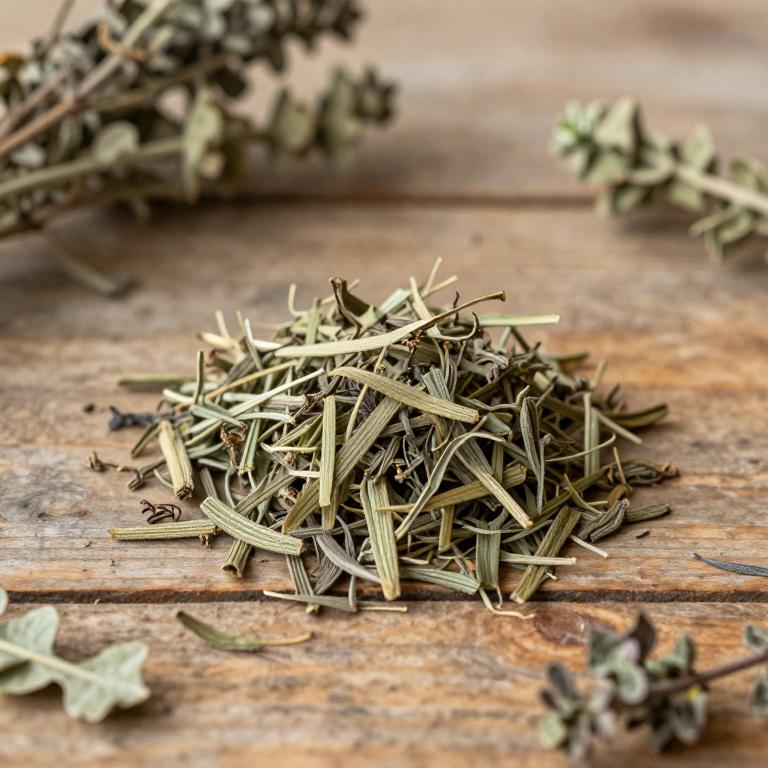
Thouinia striata is prepared as a crude extract to facilitate biological screening for cytotoxic and antitumor activities. This process involved using dried plant material that was extracted with a 1:1 mixture of CH2CI2-MeOH. The resulting crude extract was then suspended in water and subjected to further extraction with solvents of various polarities. These prepared extracts were specifically evaluated for their effectiveness against Artemia salina and three different breast cancer cell lines. This methodical preparation allows researchers to analyze the potential medicinal properties inherent within the plant's chemical composition.