Thespesia danis
Thespesia danis · Accepted scientific name
Scientific literature: Very Sparse (1 studies) · ★☆☆☆☆
, scientifically known as Thespesia danis, is a significant medicinal plant valued for its diverse therapeutic properties. Found in specific tropical regions, this species is traditionally utilized to treat various ailments, ranging from skin infections to inflammatory conditions. Its bioactive compounds offer promising potential for modern pharmacological research and development.
- Family
- Malvaceae
- Native range
- Africa
- Parts used
- Not available
- Common names
- Not available
- Scientific synonyms
- Bupariti Danis · Thespesia Danis Var. Grandibracteata · 1 more
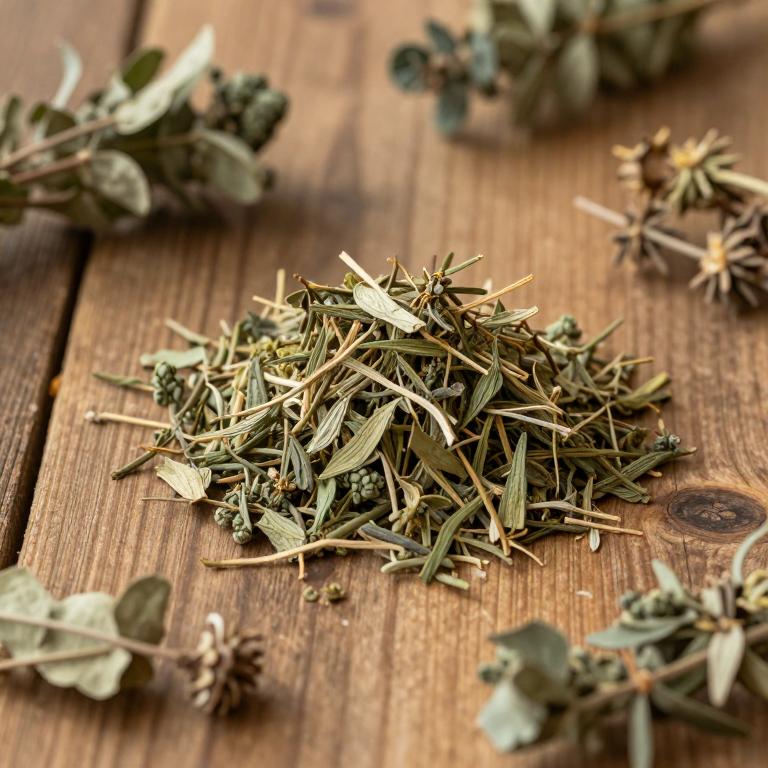
Names and Synonyms
Scientific Names
Accepted name
Thespesia danisSynonyms
- Bupariti danis
- Thespesia danis var. grandibracteata
- Thespesia danis var. somalica
Sources: Wikidata, Catalogue of Life
Taxonomical Classification
This plant belongs to the kingdom Plantae and the phylum Streptophyta, placing it within the class Equisetopsida and subclass Magnoliidae. It is further classified under the order Malvales and the family Malvaceae. Finally, its taxonomic identity is defined by the genus Thespesia, specifically the species Thespesia danis.
| Rank | Classification |
|---|---|
| Kingdom | Plantae |
| Phylum | Streptophyta |
| Class | Equisetopsida |
| Subclass | Magnoliidae |
| Order | Malvales |
| Family | Malvaceae |
| Genus | Thespesia |
Sources: The World Checklist of Vascular Plants (WCVP)
Distribution
This plant exhibits a specific geographical distribution concentrated within the tropical regions of Africa. In Northeast Tropical Africa, it can be found growing in both Ethiopia and Somalia. Its presence extends further south into the landscapes of East Tropical Africa. Within this eastern zone, the species is documented in Kenya as well as Tanzania. Consequently, its natural habitat is primarily defined by these specific East and Northeast African territories.
| Region | Area |
|---|---|
| Northeast Tropical Africa | Ethiopia |
| Northeast Tropical Africa | Somalia |
| East Tropical Africa | Kenya |
| East Tropical Africa | Tanzania |
Sources: The World Checklist of Vascular Plants (WCVP)
Botanical Identification
Ecology
The ecology of Thesipesia danis is characterized by its presence in diverse, transitional, and relatively moist ecosystems. It is typically found inhabiting forest margins, secondary bushland, and wooded grasslands, where it can capitalize on the increased light availability at the edges of denser vegetation. Furthermore, the species thrives in thickets and semi-evergreen bushland, often occupying riverine environments where consistent moisture levels support its growth. This ability to occupy various successional stages, from regenerating secondary bushland to more stable wooded habitats, suggests a versatile ecological niche within its native range.
- Habitat :
- forest (margins), secondary bushland, wooded grassland, thicket, riverine, semi-evergreen bushland
Life history
The life history of Thespesia danis is characterized by its status as a perennial plant, allowing it to persist through multiple growing seasons. Its growth pattern is defined by its deciduous nature, meaning it undergoes a period of seasonal leaf shedding, typically in response to environmental changes or specific climatic cycles.
- Deciduousness :
- deciduous
- Lifecycle :
- perennial
Morphology
The morphology of Thesipesia danis is characterized by a woody growth form that primarily manifests as a tree or shrub. This species reaches an average height of approximately 3.25 m and functions as a self-supporting organism rather than a climber. It is a terrestrial plant, existing as an independent species that does not exhibit parasitic or epiphytic behavior.
- Aquatic :
- terrestrial
- Climber :
- self-supporting
- Epiphyte :
- terrestrial
- Growth form :
- tree
- Growth form :
- shrub
- Parasite :
- independent
- Plant height mean:
- 3.25 m
- Woodiness :
- woody
Physiology
The physiology of Thesperis danis is characterized by its metabolic processes and nutrient acquisition strategies within its native ecosystem. Regarding its nitrogen metabolism, the plant does not function as a nitrogen fixer, meaning it lacks the symbiotic relationship with rhizobia or other diazotrophic bacteria required to convert atmospheric nitrogen into ammonia. Instead, it relies on the uptake of dissolved nitrates and ammonium from the soil through its root system to support protein synthesis and cellular growth. Its physiological performance is heavily dependent on the availability of soil nutrients and water, driving its transpiration rates and photosynthetic efficiency. The plant's metabolic pathways are optimized to manage carbon fixation and secondary metabolite production, which are essential for its survival and medicinal properties, while its growth patterns are regulated by hormonal signaling and environmental cues such as light intensity and temperature.
- Nitrogen fixer :
- no
Sources: Global Inventory of Floras and Traits (GIFT)
Chemicals
Thespesia danis has 1 reported phytochemicals identified across 0 scientific publications and several other databases. The most consistently reported chemicals include gossypol.
| Chemical | Supporting sources | Consensus |
|---|---|---|
| gossypol | 1 supporting sources | ★☆☆☆☆ |
gossypol
- Journal of natural products
Preparations
Thespesia danis has 1 reported preparations identified across 0 scientific publications and several other databases. The most consistently reported preparations include crude extracts.
| Preparation | Supporting sources | Consensus |
|---|---|---|
| Crude extracts | 1 supporting sources | ★☆☆☆☆ |
Crude extracts
- Journal of natural products