Thermopsis
Thermopsis · Accepted scientific name
Scientific literature: Very Sparse (0 studies) · ★☆☆☆☆
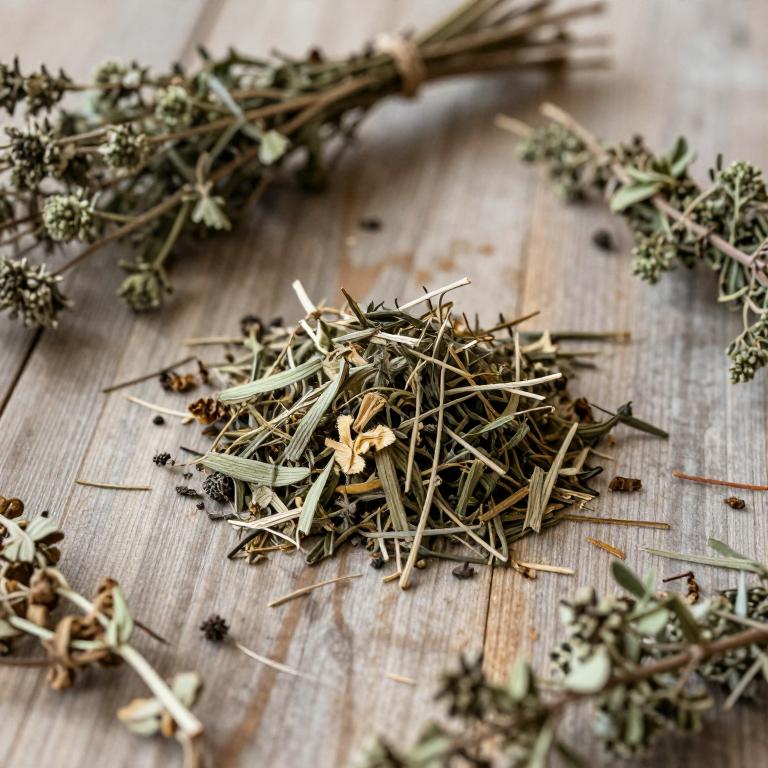
Thermopsis is a striking genus of herbaceous perennials known for their vigorous growth and ability to enrich soil. These plants are most easily identified by their vibrant clusters of pea-like flowers that bloom in late spring or early summer. Following the floral display, the plant produces distinctive, hard-coated seeds contained within prominent pods. While they add significant beauty to meadows and woodland edges, many species in this group are considered toxic if ingested. Understanding their unique lifecycle from flower to seed makes them a fascinating subject for any gardener.
- Synonyms
- Thermia · Drepilia · 1 more
- Common names
- Not available
- Family
- Fabaceae
- Distribution
- Not available
- Plant Parts
- Flower · Seed
Classification
Common Names
Thermopsis is a versatile plant that is recognized by many different names depending on the region. It is frequently referred to as False lupines due to its striking visual resemblance to the true lupine species. Many gardeners and enthusiasts also affectionately call it goldenbanners or the golden-banner. In certain linguistic traditions, you might even encounter it known as the goldenbanner. Finally, the plant is sometimes identified by the name bôbovec, highlighting its diverse cultural identity.
Sources: Catalogue of Life (COL)
Synonyms
Thermopsis is a botanical genus that has been subject to various nomenclatural shifts throughout history. Due to different taxonomic interpretations, the plant is frequently associated with several different synonyms. For instance, it has been historically identified under the name Drepilia in various botanical records. Additionally, researchers have encountered this group categorized as Scolobus or referred to as Thermia. Understanding these linguistic connections is essential for accurately tracking the plant's classification across scientific literature.
Sources: The World Checklist of Vascular Plants (WCVP)
Taxonomy
Thermopsis belongs to the diverse kingdom Plantae, representing a fascinating branch of the natural world. Within this vast kingdom, the plant is classified under the class Equisetopsida. It further resides in the order Fabales, which helps scientists understand its evolutionary lineage. As a member of the family Fabaceae, it shares common characteristics with many well-known legumes. Ultimately, this specific plant is identified by its distinct genus, Thermopsis.
| Rank | Classification |
|---|---|
| Kingdom | Plantae |
| Phylum | Streptophyta |
| Class | Equisetopsida |
| Subclass | Magnoliidae |
| Order | Fabales |
| Family | Fabaceae |
| Genus | Thermopsis |
Sources: The World Checklist of Vascular Plants (WCVP)
Distribution
Geographic Regions
Thermopsis is a genus primarily distributed across the Asia-Temperate regions, showing a strong presence throughout Central Asia. Within this central corridor, the plant can be found flourishing in the diverse landscapes of Kazakhstan, Kyrgyzstan, and Tajikistan. Its range also extends into Uzbekistan, marking a significant part of its ecological footprint in the region. Furthermore, the genus reaches into China, specifically inhabiting the North-Central areas of the country. This widespread distribution highlights the plant's ability to adapt to various environments across the Asian continent.
Sources: The World Checklist of Vascular Plants (WCVP)
Identification
Biological Activities
Compounds
Conditions
Preparations
Parts used
Thermopsis species are found throughout the foothills and plains of the Rocky Mountains. Clinical reports indicate that both the flower and the seed of this plant can cause toxicity if ingested. In several documented cases, the consumption of these specific parts led to symptoms such as nausea, vomiting, and headaches. Remarkably, the ingestion of as few as six seeds was enough to produce physiological distress. Because common names can be misleading, careful identification of these plant parts is essential to prevent accidental poisoning.