Thermopsis montana
Thermopsis montana · Accepted scientific name
Scientific literature: Very Sparse (0 studies) · ★☆☆☆☆
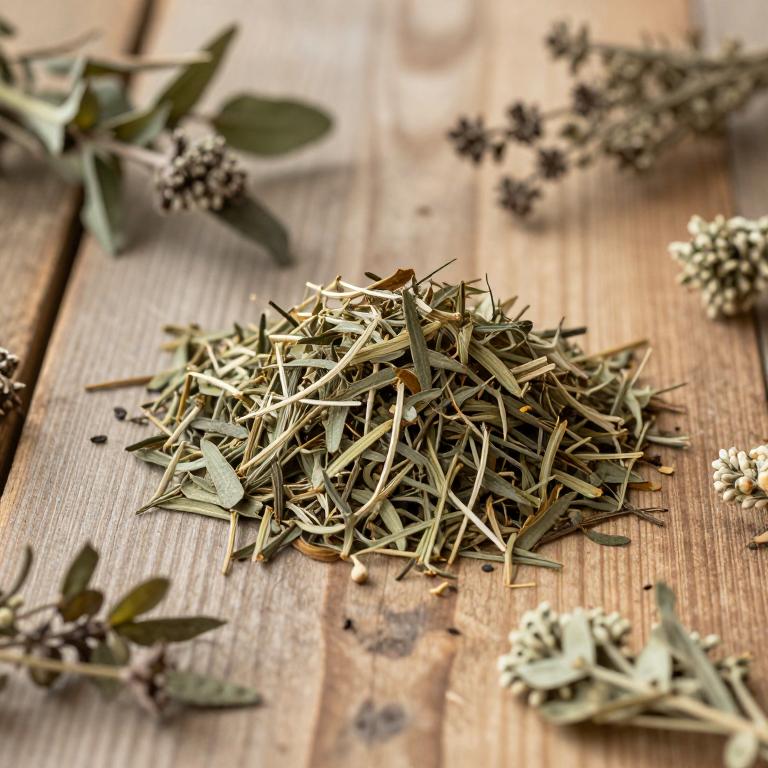
Thermopsis montana is a distinctive plant species known for its complex chemical composition. It contains several potent alkaloids, including (-)-Anagyrine, (-)-Thermopsine, CYTISINE, and N-Methylcytisine. These bioactive compounds can be extracted and utilized through specific preparations such as a water suspension. Additionally, the plant is often processed into a dried ground form for various applications. Understanding its chemical profile is essential for studying its biological properties.
- Synonyms
- Thermopsis Fabacea Var. Montana · Thermopsis Rhombifolia Var. Montana
- Common names
- Not available
- Family
- Fabaceae
- Distribution
- Not available
- Plant Parts
- Not available
Classification
Common Names
Thermopsis montana is a distinctive plant known by several unique and descriptive common names. In many regions, it is widely recognized as the False Lupin or the Golden Pea due to its striking appearance. It also carries the elegant titles of Bandera dorada de montaña and Montane Golden-banner, highlighting its vibrant color. Furthermore, it is sometimes referred to by the Welsh name Ffug Fysedd-y-Blaidd. These diverse names reflect the various cultural and linguistic ways this beautiful species is identified across the world.
Sources: Catalogue of Life (COL)
Synonyms
Thermopsis montana is a plant species that is recognized under several different botanical names. Within scientific literature, it is frequently identified by the synonym Thermopsis fabacea var. montana. Additionally, the taxon is also associated with the name Thermopsis rhombifolia var. montana. These varying designations reflect the complex taxonomic history and classification of the species. Understanding these relationships is essential for accurate identification in botanical studies.
Sources: The World Checklist of Vascular Plants (WCVP)
Taxonomy
Thermopsis montana is a distinctive species belonging to the kingdom Plantae. Within this vast kingdom, it is classified under the class Equisetopsida. It falls into the order Fabales, which helps define its broader botanical grouping. Further narrowing its lineage, the plant is a member of the family Fabaceae. Ultimately, this species is identified by its specific genus, Thermopsis.
| Rank | Classification |
|---|---|
| Kingdom | Plantae |
| Phylum | Streptophyta |
| Class | Equisetopsida |
| Subclass | Magnoliidae |
| Order | Fabales |
| Family | Fabaceae |
| Genus | Thermopsis |
Sources: The World Checklist of Vascular Plants (WCVP)
Distribution
Geographic Regions
Thermopsis montana exhibits a widespread geographical range that spans across both Europe and North America. In the Old World, the species is found throughout Northern Europe and Great Britain. Its presence in North America is equally diverse, stretching from the eastern reaches of Canada, including Newfoundland and Québec, to the rugged landscapes of the United States. Within the U.S., the plant thrives in the Northwestern regions, specifically documented in states like Idaho and Colorado. This expansive distribution highlights the plant's ability to adapt to various temperate environments across two continents.
Sources: The World Checklist of Vascular Plants (WCVP)
Identification
Morphology
Thermopsis montana is a self-supporting herb that grows upright in its natural habitat. This compact growth form allows the plant to maintain its structure while thriving within its ecosystem.
Sources: Global Inventory of Floras and Traits (GIFT)
Biological Activities
Compounds
Thermopsis montana, also known as false lupine or mountain thermopsis, is a plant known to contain several potent alkaloids. Research indicates that the plant's toxicity is driven by the presence of specific chemical compounds, including anagyrine and cytisine. Additionally, the plant contains N-methylcytisine and thermopsine, which contribute to its overall alkaloid profile. The varying concentrations of these major alkaloids among different plant collections may account for the differences in toxicological severity observed in cattle. Understanding these chemical relationships is essential for assessing the risks associated with consuming this species.
Conditions
Preparations
Thermopsis montana is prepared as dried ground Thermopsis montana for administration in toxicological studies. This plant material is also prepared as a water suspension to facilitate gavaging in cattle. When these preparations are administered, they can induce severe signs of toxicosis in the subjects. The specific use of dried ground Thermopsis montana in a water suspension allows researchers to observe varied clinical symptoms. Consequently, these two forms of preparation are central to evaluating the toxicity and alkaloid potency of the species.