Theobroma angustifolium
Theobroma angustifolium · Accepted scientific name
Scientific literature: Moderate (142 studies) · ★★★☆☆
Theobroma angustifolium, scientifically known as Theobroma angustifolium, is a significant medicinal plant valued for its diverse therapeutic properties. Often linked to the cacao family, it contains bioactive compounds used in traditional healing to support cardiovascular health, alleviate inflammation, and provide antioxidant benefits, making it a vital botanical resource.
- Family
- Not available
- Native range
- Northern America
- Parts used
- Not available
- Common names
- Not available
- Scientific synonyms
- Not available
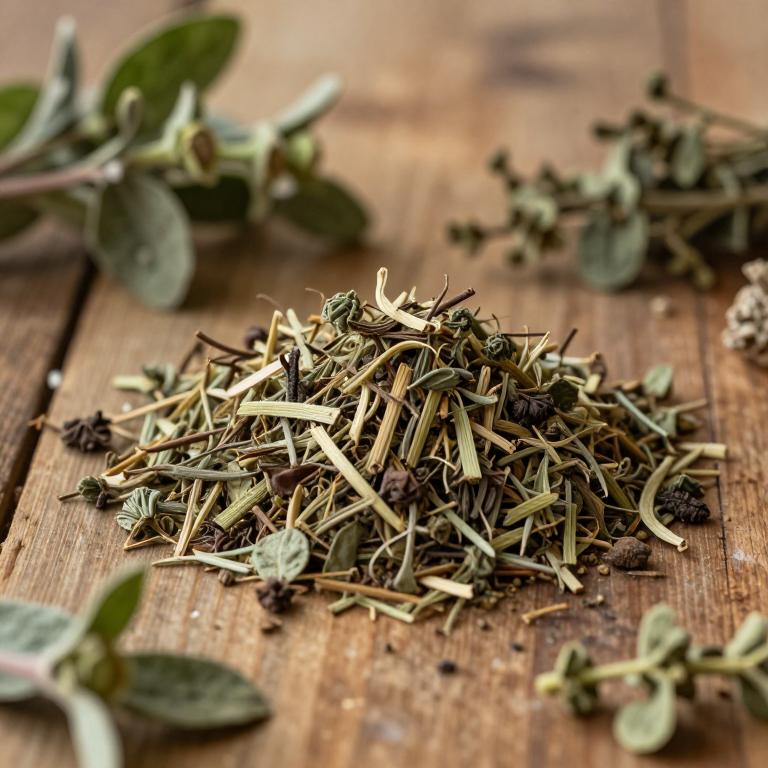
Names and Synonyms
Scientific Names
Accepted name
Theobroma angustifoliumDistribution
This plant exhibits a broad geographical distribution spanning from Mexico through several regions of Central America. In North America, it can be specifically found throughout Southeast Mexico. Moving southward, its range extends into El Salvador and Nicaragua. The species is also documented within the borders of Costa Rica. Finally, its distribution reaches as far south as Panamá.
| Region | Area |
|---|---|
| Mexico | Mexico Southeast |
| Central America | Costa Rica |
| Central America | El Salvador |
| Central America | Nicaragua |
| Central America | Panamá |
| Caribbean | Trinidad-Tobago |
Sources: The World Checklist of Vascular Plants (WCVP)
Botanical Identification
Ecology
The ecology of Theobroma angustifolium is defined by its adaptation to specific altitudinal gradients, spanning an elevational range from a minimum of 0 m AMSL to a maximum of 1000 m AMSL. This distribution suggests the plant thrives in lowland to mid-elevation tropical environments, where it likely occupies niches characterized by specific moisture and temperature regimes typical of these altitudes. Within this range, the species interacts with local soil compositions and canopy structures, playing a functional role in its native ecosystem by contributing to nutrient cycling and providing structural complexity to its habitat.
- Elevational range max:
- 1000 m AMSL
- Elevational range min:
- 0 m AMSL
Life history
The life history of Theobroma angustifolium is characterized by its status as a perennial species, allowing it to maintain its presence in its natural ecosystem over many years. Throughout its existence, the plant maintains an evergreen habit, ensuring that its foliage remains functional and present across successive growing seasons rather than shedding all leaves seasonally.
- Deciduousness :
- evergreen
- Lifecycle :
- perennial
Morphology
The morphology of Theobroma angustifolium is characterized by a woody growth form, specifically functioning as a tree. It is a terrestrial plant that grows independently, lacking any parasitic tendencies. This species is self-supporting in its structure, neither acting as a climber nor an epiphyte, and it maintains a significant stature with an average plant height of approximately 20 m.
- Aquatic :
- terrestrial
- Climber :
- self-supporting
- Epiphyte :
- terrestrial
- Growth form :
- tree
- Parasite :
- independent
- Plant height mean:
- 20 m
- Woodiness :
- woody
Physiology
The physiology of Theobroma angustifolium is characterized by complex metabolic pathways geared toward survival in specific tropical ecosystems, though it lacks the specialized symbiotic mechanisms required to function as a nitrogen fixer. Unlike many tropical legumes, this species does not possess root nodules containing diazotrophic bacteria, meaning its capacity for atmospheric nitrogen fixation is marked as no. Consequently, its physiological processes are heavily dependent on the availability of soil nitrates and ammonium for protein synthesis and enzymatic function. The plant's metabolic efficiency is driven by photosynthetic activity optimized for shaded or semi-shaded environments, where it manages gas exchange and water potential to support leaf development and reproductive cycles. Because it cannot fix its own nitrogen, its growth rate and overall physiological vigor are intrinsically linked to the nutrient cycling and nitrogen mineralization processes within its immediate rhizosphere.
- Nitrogen fixer :
- no
Reproduction
The reproduction of Theobroma angustifolium is characterized by a biotic pollination syndrome, relying on living organisms rather than abiotic factors to facilitate the transfer of pollen. This process is primarily mediated by insects, which serve as the key pollinators for the species. Within this insect-driven framework, a diverse range of pollinators—including bees, beetles, ants, butterflies, moths, and flies—contribute to the successful fertilization of the plant. Following successful pollination, the plant produces seeds that vary in size, with a seed length ranging from a minimum of 15 mm to a maximum of 30 mm.
- Pollination syndrome :
- insect
- Pollination syndrome :
- biotic
- Seed length max:
- 30 mm
- Seed length min:
- 15 mm
Sources: Global Inventory of Floras and Traits (GIFT)
Chemicals
Theobroma angustifolium has 12 reported phytochemicals identified across 0 scientific publications and several other databases. The most consistently reported chemicals include Arachidic acid, Ash, Behenic acid, FAT, caffeine.
| Chemical | Supporting sources | Consensus |
|---|---|---|
| Arachidic acid | 1 supporting sources | ★☆☆☆☆ |
| Ash | 1 supporting sources | ★☆☆☆☆ |
| Behenic acid | 1 supporting sources | ★☆☆☆☆ |
| FAT | 1 supporting sources | ★☆☆☆☆ |
| caffeine | 1 supporting sources | ★☆☆☆☆ |
| linoleic acid | 1 supporting sources | ★☆☆☆☆ |
| oleic acid | 1 supporting sources | ★☆☆☆☆ |
| palmitic acid | 1 supporting sources | ★☆☆☆☆ |
| stearic acid | 1 supporting sources | ★☆☆☆☆ |
| theobromine | 1 supporting sources | ★☆☆☆☆ |
Arachidic acid
- Dr. Duke
Ash
- Dr. Duke
Behenic acid
- Dr. Duke
FAT
- Dr. Duke
caffeine
- Dr. Duke
linoleic acid
- Dr. Duke
oleic acid
- Dr. Duke
palmitic acid
- Dr. Duke
stearic acid
- Dr. Duke
theobromine
- Dr. Duke
Activities
Theobroma angustifolium has 123 reported activities identified across 0 scientific publications and several other databases. The most consistently reported activities include (+)-Inotropic, 5-Alpha-Reductase-Inhibitor, Adenosine-Antagonist, Allergenic, Alpha-Reductase-Inhibitor.
| Activity | Supporting sources | Consensus |
|---|---|---|
| (+)-Inotropic | 1 supporting sources | ★☆☆☆☆ |
| 5-Alpha-Reductase-Inhibitor | 1 supporting sources | ★☆☆☆☆ |
| Adenosine-Antagonist | 1 supporting sources | ★☆☆☆☆ |
| Allergenic | 1 supporting sources | ★☆☆☆☆ |
| Alpha-Reductase-Inhibitor | 1 supporting sources | ★☆☆☆☆ |
| Analeptic | 1 supporting sources | ★☆☆☆☆ |
| Analgesic-Synergist | 1 supporting sources | ★☆☆☆☆ |
| Anemiagenic | 1 supporting sources | ★☆☆☆☆ |
| Angiotensin-Receptor-Blocker | 1 supporting sources | ★☆☆☆☆ |
| Anorexic | 1 supporting sources | ★☆☆☆☆ |
(+)-Inotropic
- Dr. Duke
5-Alpha-Reductase-Inhibitor
- Dr. Duke
Adenosine-Antagonist
- Dr. Duke
Allergenic
- Dr. Duke
Alpha-Reductase-Inhibitor
- Dr. Duke
Analeptic
- Dr. Duke
Analgesic-Synergist
- Dr. Duke
Anemiagenic
- Dr. Duke
Angiotensin-Receptor-Blocker
- Dr. Duke
Anorexic
- Dr. Duke