Teucrium
Teucrium · Accepted scientific name
Scientific literature: Very Sparse (3 studies) · ★☆☆☆☆
Teucrium is a diverse genus of flowering plants that has long been recognized for its significant therapeutic potential in traditional medicine. Scientific investigations have highlighted its impressive pharmacological profile, specifically noting its potent antidiabetic and antimicrobial activities. Furthermore, the plant possesses strong antioxidant properties that help protect cells from oxidative damage. These biological characteristics make it a subject of great interest for managing various health conditions, including the treatment of jaundice. As research continues, the medicinal versatility of Teucrium remains a vital area of study for natural pharmacology.
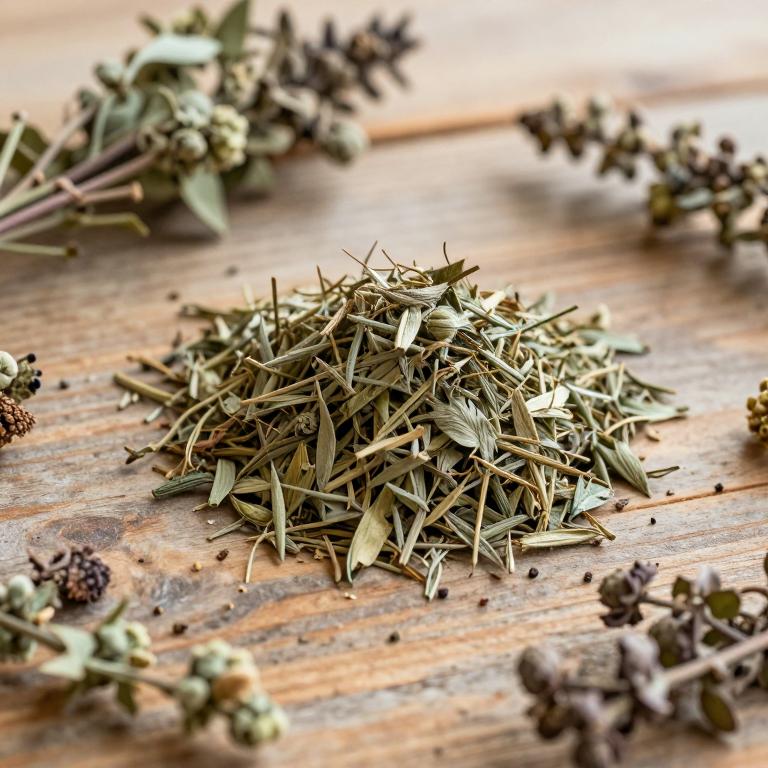
- Synonyms
- Chamaedrys · Botrys · 11 more
- Common names
- Not available
- Family
- Lamiaceae
- Distribution
- Africa
- Plant Parts
- Not available
Classification
Common Names
Teucrium is a versatile genus of plants that is known by a wide variety of regional and traditional names. Depending on the local language and culture, it may be referred to as Arrësi or Berutis. In certain European regions, it is commonly called Dubčica or Gamander. You might also encounter it frequently under the name Germandrée in botanical circles. These diverse monikers reflect the plant's widespread presence and historical importance across different landscapes.
Sources: Catalogue of Life (COL)
Synonyms
Teucrium is a complex genus that has historically been associated with several different botanical names. Throughout various taxonomic studies, it has been linked to the synonym Botrys. Researchers have also recognized it under the names Chamaedrys and Kinostemon. Furthermore, the plant has been referred to as Melosmon in certain scientific contexts. Finally, the name Monipsis serves as another recognized synonym within its diverse lineage.
Sources: The World Checklist of Vascular Plants (WCVP)
Taxonomy
Teucrium belongs to the vast kingdom Plantae, representing a diverse group of multicellular organisms. Within this kingdom, the plant is classified under the class Equisetopsida. It further falls into the order Lamiales, which helps define its specific biological characteristics. As a member of the Lamiaceae family, it shares common traits with many well-known aromatic herbs. Ultimately, it is identified by its own distinct genus, Teucrium, which sets it apart in the botanical world.
| Rank | Classification |
|---|---|
| Kingdom | Plantae |
| Phylum | Streptophyta |
| Class | Equisetopsida |
| Subclass | Magnoliidae |
| Order | Lamiales |
| Family | Lamiaceae |
| Genus | Teucrium |
Sources: The World Checklist of Vascular Plants (WCVP)
Distribution
Geographic Regions
Teucrium exhibits a diverse geographical range that spans multiple regions across the African continent. This genus is found within the tropical landscapes of East Africa, specifically including areas such as Tanzania. Its reach extends to the northeastern reaches of the continent, with documented presence in Chad. Furthermore, the plant thrives in the Macaronesian islands, establishing itself across the Azores, Madeira, and the Canary Islands. This broad distribution highlights the remarkable adaptability of the Teucrium genus to varied island and mainland environments.
Sources: The World Checklist of Vascular Plants (WCVP)
Identification
Biological Activities
Teucrium, a genus commonly known as Germander, possesses a diverse range of significant pharmacological properties. Scientific reviews highlight that various species within this genus exhibit potent antioxidant activity. Furthermore, these plants demonstrate notable antimicrobial capabilities that contribute to their biological importance. Research also indicates that Teucrium has effective antidiabetic activity, a trait frequently utilized in traditional medicine. While these multifaceted therapeutic potential are promising, further evidence-based clinical trials are necessary to fully confirm these medicinal benefits.
Compounds
Teucrium is a diverse genus of plants within the Lamiaceae family that is primarily distributed throughout the Mediterranean region. Chemical analyses of various species within this genus have revealed a complex profile of secondary metabolites. Notably, these plants are known to contain iridoids alongside other significant compounds such as sesquiterpenoids and phenolic structures. These chemical constituents contribute to the wide range of biological activities attributed to the genus, including antioxidant and antimicrobial properties. Consequently, understanding these phytochemical relationships is essential for exploring the potential therapeutic uses of Teucrium in modern medicine.
Conditions
Teucrium plants are utilized in the traditional medicine of the Kurdistan Region to address various health issues. These taxa are specifically employed to treat jaundice in patients. They also serve as a remedy for alleviating stomachache. Furthermore, the genus is used to treat various abdominal problems. These medicinal applications highlight the plant's role in managing these specific conditions.