Teucrium persicum
Teucrium persicum · Accepted scientific name
Scientific literature: Very Sparse (10 studies) · ★☆☆☆☆
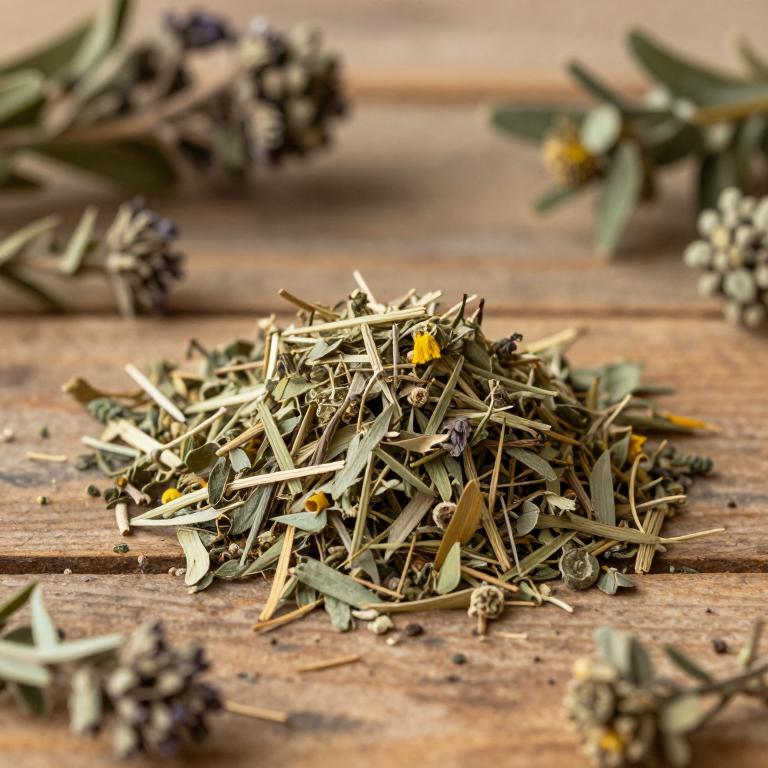
, scientifically known as Teucrium persicum, is a perennial shrub native to the Mediterranean region, prized for its aromatic foliage and medicinal properties. Belonging to the Lamiaceae family, it has historically been utilized in traditional herbal remedies to support digestive health, soothe inflammation, and promote overall wellness through its bioactive compounds.
- Family
- Lamiaceae
- Native range
- Asia-Temperate
- Parts used
- Not available
- Common names
- Not available
- Scientific synonyms
- Not available
Names and Synonyms
Scientific Names
Accepted name
Teucrium persicumSources: Wikidata
Taxonomical Classification
This plant belongs to the kingdom Plantae and is classified under the phylum Streptophyta and class Equisetopsida. Within the subclass Magnoliidae, it is ordered as Lamiales and placed in the family Lamiaceae. Finally, its taxonomic identity is defined by the genus Teucrium.
| Rank | Classification |
|---|---|
| Kingdom | Plantae |
| Phylum | Streptophyta |
| Class | Equisetopsida |
| Subclass | Magnoliidae |
| Order | Lamiales |
| Family | Lamiaceae |
| Genus | Teucrium |
Sources: The World Checklist of Vascular Plants (WCVP)
Distribution
This plant is primarily characterized by its specific regional occurrence within the Middle East. Its documented geographical distribution is quite limited to a particular area of Western Asia. Specifically, the species can be found growing naturally within the borders of Iran. This indicates that the plant thrives under the unique environmental conditions provided by that region. Consequently, its natural habitat is closely tied to the landscape of this single country.
| Region | Area |
|---|---|
| Western Asia | Iran |
Sources: The World Checklist of Vascular Plants (WCVP)
Chemicals
Teucrium persicum has 1 reported phytochemicals identified across 0 scientific publications and several other databases. The most consistently reported chemicals include Chrysothol.
| Chemical | Supporting sources | Consensus |
|---|---|---|
| Chrysothol | 1 supporting sources | ★☆☆☆☆ |
Chrysothol
- Cellular and molecular biology (Noisy-le-Grand, France)
Activities
Teucrium persicum has 7 reported activities identified across 0 scientific publications and several other databases. The most consistently reported activities include Analgesic, Antibacterial, Anticancer, Antinociceptive, Antioxidant.
| Activity | Supporting sources | Consensus |
|---|---|---|
| Analgesic | 1 supporting sources | ★☆☆☆☆ |
| Antibacterial | 1 supporting sources | ★☆☆☆☆ |
| Anticancer | 1 supporting sources | ★☆☆☆☆ |
| Antinociceptive | 1 supporting sources | ★☆☆☆☆ |
| Antioxidant | 1 supporting sources | ★☆☆☆☆ |
| Diuretic | 1 supporting sources | ★☆☆☆☆ |
| Tonic | 1 supporting sources | ★☆☆☆☆ |
Analgesic
- Scientifica
Antibacterial
- Scientifica
Anticancer
- Scientifica
Antinociceptive
- Scientifica
Antioxidant
- Scientifica
Diuretic
- Scientifica
Tonic
- Scientifica
Conditions
Teucrium persicum has 2 reported investigations on conditions identified across 0 scientific publications and several other databases. The most consistently reported conditions include chronic pain, neuropathic pain.
| Condition | Supporting sources | Consensus |
|---|---|---|
| Chronic pain | 1 supporting sources | ★☆☆☆☆ |
| Neuropathic pain | 1 supporting sources | ★☆☆☆☆ |
Chronic pain
- Scientifica
Neuropathic pain
- Scientifica
Preparations
Teucrium persicum has 1 reported preparations identified across 0 scientific publications and several other databases. The most consistently reported preparations include aqueous extract.
| Preparation | Supporting sources | Consensus |
|---|---|---|
| Aqueous extract | 1 supporting sources | ★☆☆☆☆ |
Aqueous extract
- Scientifica