Teucrium buxifolium
Teucrium buxifolium · Accepted scientific name
Scientific literature: Very Sparse (3 studies) · ★☆☆☆☆
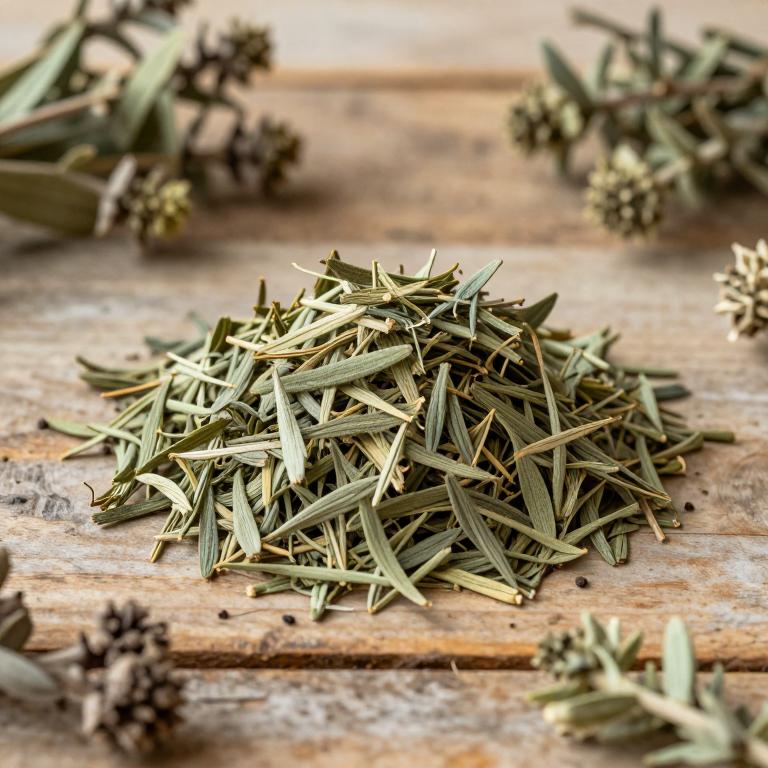
, scientifically known as Teucrium buxifolium, is a distinctive medicinal herb belonging to the Lamiaceae family. Often found in rocky, mountainous terrains, this plant is valued in traditional medicine for its therapeutic properties. It contains bioactive compounds frequently studied for their potential antioxidant and anti-inflammatory effects in holistic healing.
- Family
- Lamiaceae
- Native range
- Europe
- Parts used
- Not available
- Common names
- Not available
- Scientific synonyms
- Polium Chamaedryoides · Teucrium Buxifolium F. Tomentosum
Names and Synonyms
Scientific Names
Accepted name
Teucrium buxifoliumSynonyms
- Polium chamaedryoides
- Teucrium buxifolium f. tomentosum
Sources: Wikidata
Taxonomical Classification
This plant belongs to the kingdom Plantae and the phylum Streptophyta, specifically classified within the class Equisetopsida and subclass Magnoliidae. It falls under the order Lamiales and the family Lamiaceae, eventually reaching its specific genus classification as Teucrium.
| Rank | Classification |
|---|---|
| Kingdom | Plantae |
| Phylum | Streptophyta |
| Class | Equisetopsida |
| Subclass | Magnoliidae |
| Order | Lamiales |
| Family | Lamiaceae |
| Genus | Teucrium |
Sources: The World Checklist of Vascular Plants (WCVP)
Distribution
This plant possesses a very limited and specific geographical range. It is primarily found within the region of Southwestern Europe. Specifically, its natural occurrence is concentrated in the country of Spain. This localized distribution suggests that the species is endemic to certain Mediterranean habitats. Consequently, finding this medicinal plant outside of these specific Spanish territories is quite rare.
| Region | Area |
|---|---|
| Southwestern Europe | Spain |
Sources: The World Checklist of Vascular Plants (WCVP)
Botanical Identification
Life history
The life history of Teucrium buxifolium is characterized by its classification as a chamaphyte, a life form that dictates its growth strategy and survival mechanisms in its natural habitat. As a chamaphyte, the plant maintains its perennating buds close to the soil surface, typically just above it, which allows it to withstand environmental stressors such as temperature fluctuations or grazing by keeping its regenerative structures protected. This specific life form designation applies across both its structural and ecological categorizations, identifying it consistently as a chamaphyte rather than as a phanerophyte, hemicryptophyte, or therophyte. This growth habit enables the species to establish stable, perennial presence in its niche, utilizing its low-growing architecture to optimize resource acquisition while minimizing exposure to harsh atmospheric conditions.
- Life form :
- chamaephyte
Morphology
The morphology of Teucrium buxifolium is characterized by its growth habit as a self-supporting plant, meaning it does not function as a climber through obligatory, facultative, or self-supporting mechanisms, but rather maintains its own structural integrity. It is an independent organism that lacks parasitic tendencies, functioning as an independent species rather than an obligatory or facultative parasite. Furthermore, the plant is strictly terrestrial in its ecological niche, existing as a terrestrial species rather than an obligatory or facultative epiphyte.
- Climber :
- self-supporting
- Epiphyte :
- terrestrial
- Parasite :
- independent
Sources: Global Inventory of Floras and Traits (GIFT)
Activities
Teucrium buxifolium has 2 reported activities identified across 0 scientific publications and several other databases. The most consistently reported activities include Antiulcer, Cytoprotective.
| Activity | Supporting sources | Consensus |
|---|---|---|
| Antiulcer | 1 supporting sources | ★☆☆☆☆ |
| Cytoprotective | 1 supporting sources | ★☆☆☆☆ |
Antiulcer
- Journal of ethnopharmacology
Cytoprotective
- Journal of ethnopharmacology
Conditions
Teucrium buxifolium has 1 reported investigations on conditions identified across 0 scientific publications and several other databases. The most consistently reported conditions include arthritis.
| Condition | Supporting sources | Consensus |
|---|---|---|
| Arthritis | 1 supporting sources | ★☆☆☆☆ |
Arthritis
- Journal of ethnopharmacology