Tetrastigma
Tetrastigma · Accepted scientific name
Scientific literature: Very Sparse (19 studies) · ★☆☆☆☆
scientifically known as Tetrastigma, is a genus of flowering plants within the Apocynaceae family. Primarily native to the tropical rainforests of Africa, these woody climbers and shrubs are valued for their unique ecological roles. Many species are studied for their potential medicinal properties and significant bioactive chemical compounds.
- Family
- Vitaceae
- Native range
- Asia-Temperate
- Parts used
- Leaf
- Common names
- Not available
- Scientific synonyms
- Not available
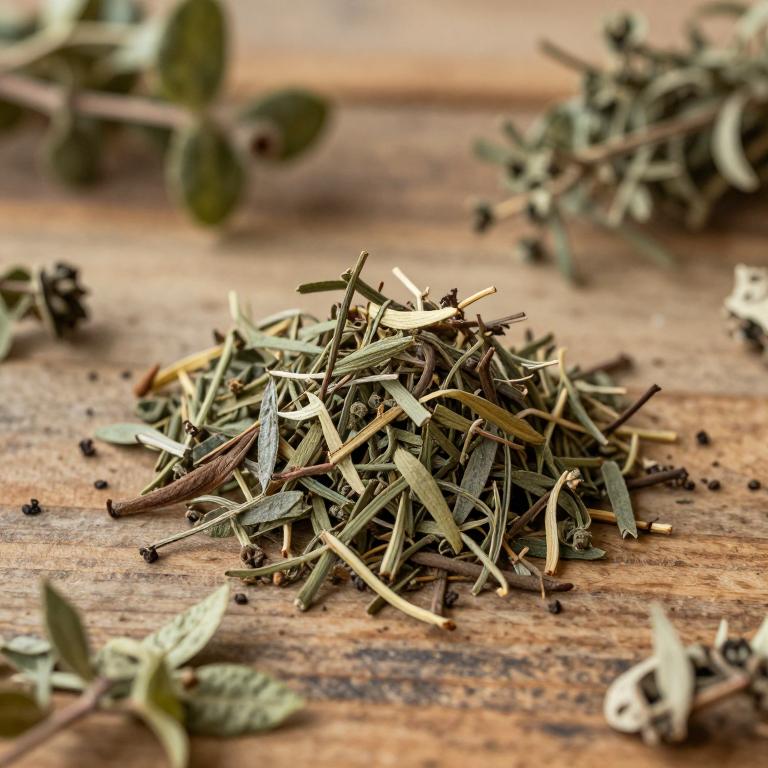
Names and Synonyms
Scientific Names
Accepted name
TetrastigmaSources: Wikidata, Catalogue of Life
Taxonomical Classification
This plant belongs to the kingdom Plantae and the phylum Streptophyta, falling under the class Equisetopsida and subclass Magnoliidae. Within the order Vitales, it is classified under the family Vitaceae. Finally, the medicinal plant is identified by the genus Tetrastigma.
| Rank | Classification |
|---|---|
| Kingdom | Plantae |
| Phylum | Streptophyta |
| Class | Equisetopsida |
| Subclass | Magnoliidae |
| Order | Vitales |
| Family | Vitaceae |
| Genus | Tetrastigma |
Sources: The World Checklist of Vascular Plants (WCVP)
Distribution
This plant exhibits a broad geographical distribution across several distinct regions of China. It can be found growing within the areas of China South-Central and China North-Central. Additionally, the species is present in the tropical landscape of Hainan. Its range also extends into the humid environments of China Southeast. Finally, the plant is recorded as growing within the high-altitude terrain of Tibet.
| Region | Area |
|---|---|
| China | China South-Central |
| China | Hainan |
| China | China North-Central |
| China | China Southeast |
| China | Tibet |
| Eastern Asia | Nansei-shoto |
| Eastern Asia | Taiwan |
| Indian Subcontinent | Assam |
| Indian Subcontinent | Bangladesh |
| Indian Subcontinent | East Himalaya |
Sources: The World Checklist of Vascular Plants (WCVP)
Plant Parts
Tetrastigma has 1 reported plant parts identified across 1 scientific publications and several other databases that are studied for medicinal purposes. The most consistently reported plant part include leaf.
| Plant part | Supporting sources | Consensus |
|---|---|---|
| Leaf | 1 supporting sources | ★☆☆☆☆ |
Leaf
- Asian Pacific journal of tropical medicine
Chemicals
Tetrastigma has 8 reported phytochemicals identified across 1 scientific publications and several other databases. The most consistently reported chemicals include Flavonoids, Astragalin, Flavonoid, Isoquercitrin, Kaempferol-3-O-rutinoside.
| Chemical | Supporting sources | Consensus |
|---|---|---|
| Flavonoids | 2 supporting sources | ★☆☆☆☆ |
| Astragalin | 1 supporting sources | ★☆☆☆☆ |
| Flavonoid | 1 supporting sources | ★☆☆☆☆ |
| Isoquercitrin | 1 supporting sources | ★☆☆☆☆ |
| Kaempferol-3-O-rutinoside | 1 supporting sources | ★☆☆☆☆ |
| RUTIN | 1 supporting sources | ★☆☆☆☆ |
| Steroids | 1 supporting sources | ★☆☆☆☆ |
| Terpenoids | 1 supporting sources | ★☆☆☆☆ |
Flavonoids
- Asian Pacific journal of tropical medicine
- Chinese herbal medicines
Astragalin
- Journal of food science
Flavonoid
- Journal of food science
Isoquercitrin
- Journal of food science
Kaempferol-3-O-rutinoside
- Journal of food science
RUTIN
- Journal of food science
Steroids
- Chinese herbal medicines
Terpenoids
- Chinese herbal medicines
Activities
Tetrastigma has 4 reported activities identified across 1 scientific publications and several other databases. The most consistently reported activities include Analgesic, Antitumor, Antiviral, Hepatoprotective.
| Activity | Supporting sources | Consensus |
|---|---|---|
| Analgesic | 1 supporting sources | ★☆☆☆☆ |
| Antitumor | 1 supporting sources | ★☆☆☆☆ |
| Antiviral | 1 supporting sources | ★☆☆☆☆ |
| Hepatoprotective | 1 supporting sources | ★☆☆☆☆ |
Analgesic
- Chinese herbal medicines
Antitumor
- Chinese herbal medicines
Antiviral
- Chinese herbal medicines
Hepatoprotective
- Chinese herbal medicines
Conditions
Tetrastigma has 3 reported investigations on conditions identified across 1 scientific publications and several other databases. The most consistently reported conditions include analgesic, antiviral, triple-negative breast cancer.
| Condition | Supporting sources | Consensus |
|---|---|---|
| Analgesic | 1 supporting sources | ★☆☆☆☆ |
| Antiviral | 1 supporting sources | ★☆☆☆☆ |
| Triple-negative breast cancer | 1 supporting sources | ★☆☆☆☆ |
Analgesic
- Chinese herbal medicines
Antiviral
- Chinese herbal medicines
Triple-negative breast cancer
- Clinical breast cancer
Preparations
Tetrastigma has 13 reported preparations identified across 1 scientific publications and several other databases. The most consistently reported preparations include aqueous ethanol, aqueous methanol, butanol, butanol extract, chloroform.
| Preparation | Supporting sources | Consensus |
|---|---|---|
| Aqueous ethanol | 1 supporting sources | ★☆☆☆☆ |
| Aqueous methanol | 1 supporting sources | ★☆☆☆☆ |
| Butanol | 1 supporting sources | ★☆☆☆☆ |
| Butanol extract | 1 supporting sources | ★☆☆☆☆ |
| Chloroform | 1 supporting sources | ★☆☆☆☆ |
| Chloroform extract | 1 supporting sources | ★☆☆☆☆ |
| Dry powder leaves | 1 supporting sources | ★☆☆☆☆ |
| Essential oil | 1 supporting sources | ★☆☆☆☆ |
| Ethyl acetate | 1 supporting sources | ★☆☆☆☆ |
| Ethyl acetate extract | 1 supporting sources | ★☆☆☆☆ |
Aqueous ethanol
- Asian Pacific journal of tropical medicine
Aqueous methanol
- Asian Pacific journal of tropical medicine
Butanol
- Asian Pacific journal of tropical medicine
Butanol extract
- Asian Pacific journal of tropical medicine
Chloroform
- Asian Pacific journal of tropical medicine
Chloroform extract
- Asian Pacific journal of tropical medicine
Dry powder leaves
- Asian Pacific journal of tropical medicine
Essential oil
- Asian Pacific journal of tropical medicine
Ethyl acetate
- Asian Pacific journal of tropical medicine
Ethyl acetate extract
- Asian Pacific journal of tropical medicine