Tetraglochin alata var. ameghinoi
Tetraglochin alata var. ameghinoi · Accepted scientific name
Scientific literature: Very Sparse (8 studies) · ★☆☆☆☆
, scientifically known as Tetraglochin alata var. ameghinoi, is a specialized medicinal plant found in unique high-altitude ecosystems. Valued for its distinct biochemical properties, this variety offers significant therapeutic potential. Understanding its traditional uses and ecological requirements is essential for exploring its role in modern natural medicine and pharmacology.
- Family
- Rosaceae
- Native range
- Southern America
- Parts used
- Not available
- Common names
- Not available
- Scientific synonyms
- Tetraglochin Ameghinoi · Tetraglochin Longifolia · 1 more
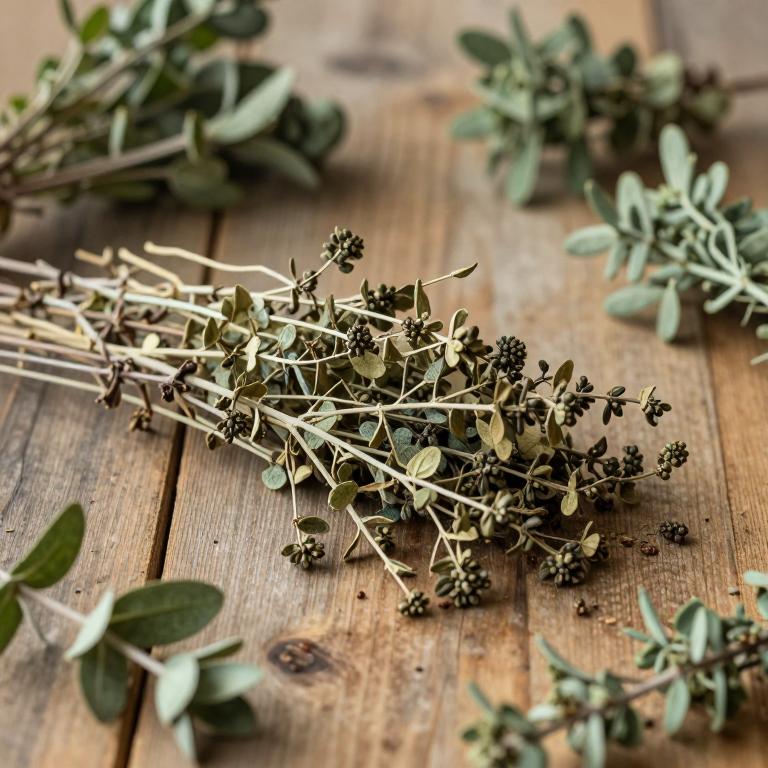
Names and Synonyms
Scientific Names
Accepted name
Tetraglochin alata var. ameghinoiSynonyms
- Tetraglochin ameghinoi
- Tetraglochin longifolia
- Margyricarpus ameghinoi
Sources: Wikidata
Taxonomical Classification
This plant, Tetraglochin alatavica var. ameghiinoi, belongs to the kingdom Plantae and the phylum Streptophyta. Within the class Equisetopsida and subclass Magnoliidae, it is categorized under the order Rosales and the family Rosaceae. Finally, it is classified under the genus Tetraglochin.
| Rank | Classification |
|---|---|
| Kingdom | Plantae |
| Phylum | Streptophyta |
| Class | Equisetopsida |
| Subclass | Magnoliidae |
| Order | Rosales |
| Family | Rosaceae |
| Genus | Tetraglochin |
Sources: The World Checklist of Vascular Plants (WCVP)
Distribution
This plant exhibits a specific geographical distribution concentrated within the southern regions of South America. It is found across the southern parts of Argentina, covering a significant portion of the country's southern territory. Additionally, the species occurs within the northwest region of Argentina. Its range also extends into the central areas of Chile. Collectively, these locations define the primary natural habitat for Tetraglochin alatata var. ameghiinoi.
| Region | Area |
|---|---|
| Southern South America | Argentina South |
| Southern South America | Argentina Northwest |
| Southern South America | Chile Central |
Sources: The World Checklist of Vascular Plants (WCVP)
Chemicals
Tetraglochin alata var. ameghinoi has 3 reported phytochemicals identified across 0 scientific publications and several other databases. The most consistently reported chemicals include Flavonoids, Sugars, Triterpenes.
| Chemical | Supporting sources | Consensus |
|---|---|---|
| Flavonoids | 1 supporting sources | ★☆☆☆☆ |
| Sugars | 1 supporting sources | ★☆☆☆☆ |
| Triterpenes | 1 supporting sources | ★☆☆☆☆ |
Flavonoids
- Molecules (Basel, Switzerland)
Sugars
- Molecules (Basel, Switzerland)
Triterpenes
- Molecules (Basel, Switzerland)
Activities
Tetraglochin alata var. ameghinoi has 4 reported activities identified across 0 scientific publications and several other databases. The most consistently reported activities include Antibacterial, Antioxidant, Cholagogue, Digestive.
| Activity | Supporting sources | Consensus |
|---|---|---|
| Antibacterial | 1 supporting sources | ★☆☆☆☆ |
| Antioxidant | 1 supporting sources | ★☆☆☆☆ |
| Cholagogue | 1 supporting sources | ★☆☆☆☆ |
| Digestive | 1 supporting sources | ★☆☆☆☆ |
Antibacterial
- Molecules (Basel, Switzerland)
Antioxidant
- Molecules (Basel, Switzerland)
Cholagogue
- Molecules (Basel, Switzerland)
Digestive
- Molecules (Basel, Switzerland)
Preparations
Tetraglochin alata var. ameghinoi has 3 reported preparations identified across 0 scientific publications and several other databases. The most consistently reported preparations include dichloromethane (DCM-E), methanol extracts (MeOH-E), petroleum ether (PE-E).
| Preparation | Supporting sources | Consensus |
|---|---|---|
| Dichloromethane (dcm-e) | 1 supporting sources | ★☆☆☆☆ |
| Methanol extracts (meoh-e) | 1 supporting sources | ★☆☆☆☆ |
| Petroleum ether (pe-e) | 1 supporting sources | ★☆☆☆☆ |
Dichloromethane (dcm-e)
- Molecules (Basel, Switzerland)
Methanol extracts (meoh-e)
- Molecules (Basel, Switzerland)
Petroleum ether (pe-e)
- Molecules (Basel, Switzerland)