Tetradium
Tetradium · Accepted scientific name
Scientific literature: Very Sparse (7 studies) · ★☆☆☆☆
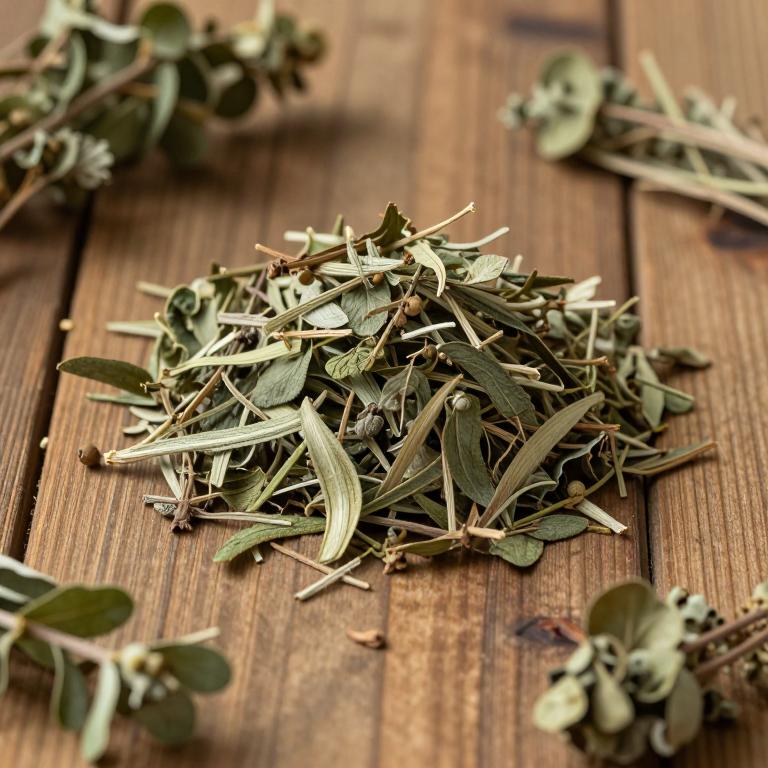
Tetraedium, scientifically known as Tetraedium, is a fascinating medicinal plant prized for its diverse therapeutic properties. Often utilized in traditional healing practices, this botanical specimen offers unique bioactive compounds capable of addressing various ailments. Understanding its biological profile is essential for exploring its potential in modern pharmacological applications.
- Family
- Rutaceae
- Native range
- Europe
- Parts used
- Not available
- Common names
- Not available
- Scientific synonyms
- Philagonia · Megabotrya
Names and Synonyms
Scientific Names
Accepted name
TetradiumSynonyms
- Philagonia
- Megabotrya
Regional and Traditional Names
German:
- Stinkeschen
Sources: Wikidata, Catalogue of Life
Taxonomical Classification
This plant belongs to the kingdom Plantae and the phylum Streptophyta, falling under the class Equisetopsida and subclass Magnoliidae. Within the order Sapindales, it is classified under the family Rutaceae. It is specifically identified by the genus Tetradium.
| Rank | Classification |
|---|---|
| Kingdom | Plantae |
| Phylum | Streptophyta |
| Class | Equisetopsida |
| Subclass | Magnoliidae |
| Order | Sapindales |
| Family | Rutaceae |
| Genus | Tetradium |
Sources: The World Checklist of Vascular Plants (WCVP)
Distribution
This plant exhibits a diverse geographical distribution spanning several distinct regions across the continent. In Middle Europe, its presence is noted within the borders of Germany and Poland. Moving toward the Mediterranean, the species can also be found in Southeastern Europe, specifically in Italy. Its range extends significantly into Central Asia, where it inhabits the landscapes of Tajikistan. Finally, the plant is documented to grow within the territory of Uzbekistan.
| Region | Area |
|---|---|
| Middle Europe | Germany |
| Middle Europe | Poland |
| Southeastern Europe | Italy |
| Central Asia | Tadzhikistan |
| Central Asia | Uzbekistan |
| China | China South-Central |
| China | Hainan |
| China | Inner Mongolia |
| China | Manchuria |
| China | China North-Central |
Sources: The World Checklist of Vascular Plants (WCVP)
Chemicals
Tetradium has 3 reported phytochemicals identified across 0 scientific publications and several other databases. The most consistently reported chemicals include Evodiamine, Phenols, Saponins.
| Chemical | Supporting sources | Consensus |
|---|---|---|
| Evodiamine | 1 supporting sources | ★☆☆☆☆ |
| Phenols | 1 supporting sources | ★☆☆☆☆ |
| Saponins | 1 supporting sources | ★☆☆☆☆ |
Evodiamine
- Journal of ethnopharmacology
Phenols
- Journal of ethnopharmacology
Saponins
- Journal of ethnopharmacology
Activities
Tetradium has 4 reported activities identified across 0 scientific publications and several other databases. The most consistently reported activities include Antibacterial, Antitumor, Cardioprotective, Insecticide.
| Activity | Supporting sources | Consensus |
|---|---|---|
| Antibacterial | 1 supporting sources | ★☆☆☆☆ |
| Antitumor | 1 supporting sources | ★☆☆☆☆ |
| Cardioprotective | 1 supporting sources | ★☆☆☆☆ |
| Insecticide | 1 supporting sources | ★☆☆☆☆ |
Antibacterial
- Journal of ethnopharmacology
Antitumor
- Journal of ethnopharmacology
Cardioprotective
- Journal of ethnopharmacology
Insecticide
- Journal of ethnopharmacology