Tetradium fraxinifolium
Tetradium fraxinifolium · Accepted scientific name
Scientific literature: Very Sparse (2 studies) · ★☆☆☆☆
, scientifically known as Tetradium fraxinifolium, is a remarkable medicinal plant valued for its unique therapeutic properties. Often utilized in traditional herbal practices, this species is recognized for its bioactive compounds that support holistic wellness. Understanding its botanical characteristics and medicinal applications offers vital insights into natural healing traditions.
- Family
- Not available
- Native range
- Asia-Temperate
- Parts used
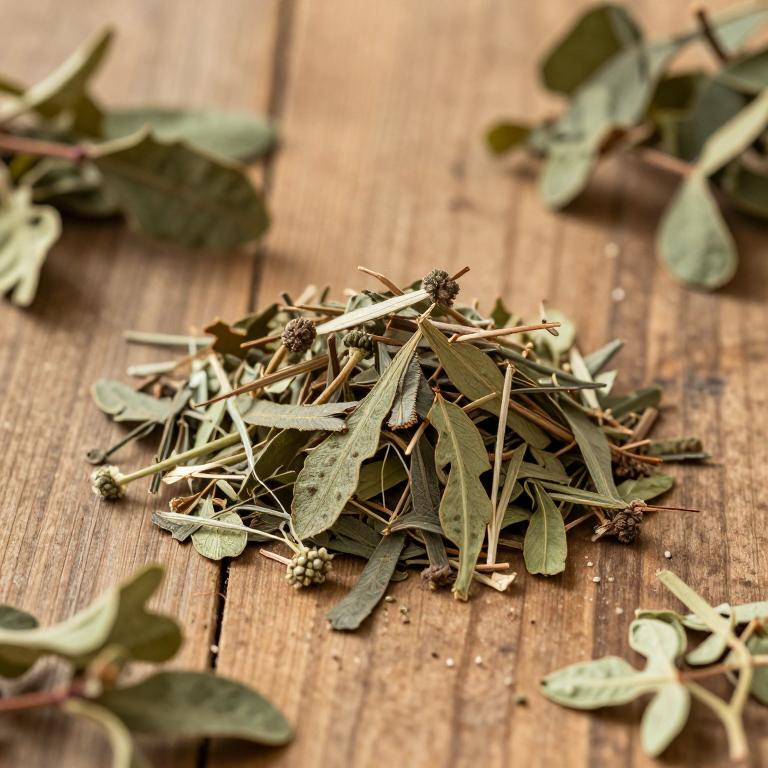
- Fruit · Leaf
- Common names
- Not available
- Scientific synonyms
- Not available
Names and Synonyms
Scientific Names
Accepted name
Tetradium fraxinifoliumDistribution
This plant exhibits a specific distribution pattern across parts of Asia. Within China, it can be found growing in the South-Central regions as well as in Tibet. Its presence extends into the Indian Subcontinent, where it inhabits the state of Assam. Additionally, the species is located within the East Himalaya mountain range. Finally, its geographical range includes the country of Nepal.
| Region | Area |
|---|---|
| China | China South-Central |
| China | Tibet |
| Indian Subcontinent | Assam |
| Indian Subcontinent | East Himalaya |
| Indian Subcontinent | Nepal |
| Indo-China | Laos |
| Indo-China | Myanmar |
| Indo-China | Thailand |
| Indo-China | Vietnam |
Sources: The World Checklist of Vascular Plants (WCVP)
Botanical Identification
Ecology
The ecology of Tetraedium fraxinifolium is characterized by its specific distribution within montane and submontane environments, where it occupies a distinct altitudinal niche. This species thrives across a significant vertical gradient, ranging from a minimum elevation of 800 m AMSL to a maximum elevation of 2700 m AMSL. This broad elevational range suggests an ability to adapt to varying temperature regimes and atmospheric pressures found within mid-to-high altitude ecosystems. Its presence within these specific limits indicates a preference for the unique microclimates, moisture levels, and soil compositions typical of these mountainous regions.
- Elevational range max:
- 2700 m AMSL
- Elevational range min:
- 800 m AMSL
Life history
The life history of Tetraedium fraxinifolium is characterized by its nature as a perennial species, allowing it to establish long-term presence within its ecological niche. Throughout its developmental stages, the plant exhibits a deciduous growth habit, shedding its foliage seasonally as part of its natural physiological cycle.
- Deciduousness :
- deciduous
- Lifecycle :
- perennial
Morphology
The morphology of Tetraedium fraxinifolium is characterized by its robust growth form as a tree, reaching a mean plant height of approximately 12 m. It is a woody species that maintains an independent lifestyle, functioning as a terrestrial plant rather than an epiphyte or a parasite. Although it possesses a self-supporting structure, it does not exhibit climbing tendencies, instead establishing a stable, upright presence in its natural habitat.
- Climber :
- self-supporting
- Epiphyte :
- terrestrial
- Growth form :
- tree
- Parasite :
- independent
- Plant height mean:
- 12 m
- Woodiness :
- woody
Physiology
The physiology of Tetraedium fraxinifolium is characterized by a C3 photosynthetic pathway, meaning it utilizes the Calvin cycle for carbon fixation without the specialized adaptations found in C4 or CAM plants. This metabolic process involves the direct fixation of atmospheric carbon dioxide by the enzyme Rubisco within the mesophyll cells. Furthermore, the species is not a nitrogen fixer, lacking the symbiotic relationships with diazotrophic bacteria (such as Rhizobium) required to convert atmospheric nitrogen into bioavailable forms, and thus relies on the uptake of nitrates or ammonium present in the soil substrate for its nutritional requirements.
- Nitrogen fixer :
- no
- Photosynthetic pathway :
- C3
Sources: Global Inventory of Floras and Traits (GIFT)
Plant Parts
Tetradium fraxinifolium has 2 reported plant parts identified across 2 scientific publications and several other databases that are studied for medicinal purposes. The most consistently reported plant part include fruit, leaf.
| Plant part | Supporting sources | Consensus |
|---|---|---|
| Fruit | 1 supporting sources | ★☆☆☆☆ |
| Leaf | 1 supporting sources | ★☆☆☆☆ |
Fruit
- Molecules (Basel, Switzerland)
Leaf
- Molecules (Basel, Switzerland)
Preparations
Tetradium fraxinifolium has 1 reported preparations identified across 2 scientific publications and several other databases. The most consistently reported preparations include EOs.
| Preparation | Supporting sources | Consensus |
|---|---|---|
| Eos | 1 supporting sources | ★☆☆☆☆ |
Eos
- Molecules (Basel, Switzerland)