Ternstroemia sylvatica
Ternstroemia sylvatica · Accepted scientific name
Scientific literature: Very Sparse (11 studies) · ★☆☆☆☆
, scientifically known as Ternstroemia sylvatica, is a medicinal evergreen tree native to Southeast Asia. Renowned for its diverse therapeutic properties, various parts of this plant are utilized in traditional medicine to treat ailments ranging from skin infections to inflammatory conditions, offering significant potential for modern pharmacological research and development.
- Family
- Pentaphylacaceae
- Native range
- Northern America
- Parts used
- Not available
- Common names
- Not available
- Scientific synonyms
- Mokof Silvatica · Taonabo Sylvatica
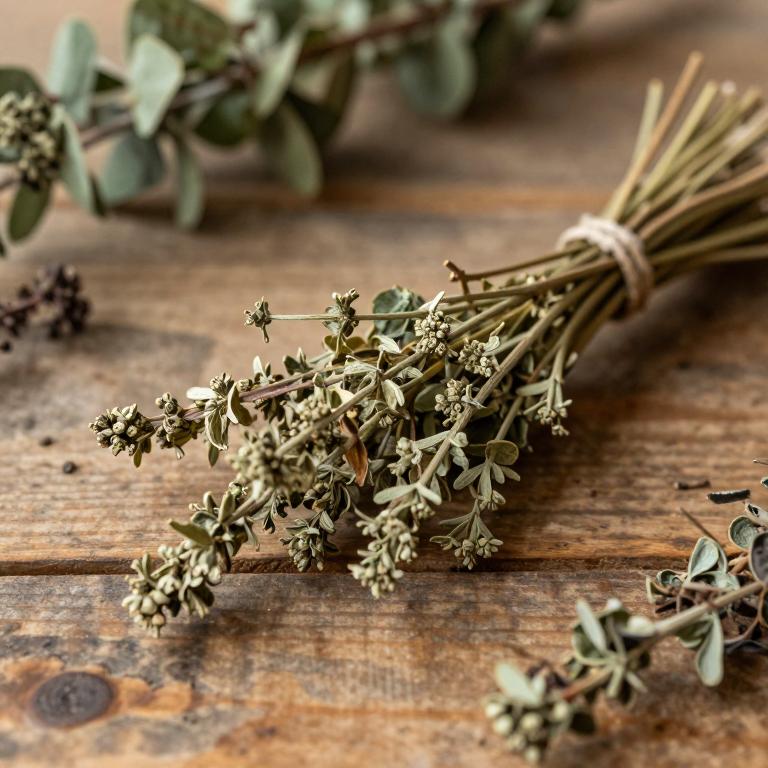
Names and Synonyms
Scientific Names
Accepted name
Ternstroemia sylvaticaSynonyms
- Mokof silvatica
- Taonabo sylvatica
Regional and Traditional Names
Spanish:
- Capulincillo
- Flor de Tila
- Tila
Sources: Wikidata, Catalogue of Life
Taxonomical Classification
This plant belongs to the kingdom Plantae and is classified within the phylum Streptophyta and class Equisetopsida. Under the subclass Magnoliidae and order Ericales, it is placed in the family Pentaphylacaceae. Finally, it is identified by its genus, Ternstroemia.
| Rank | Classification |
|---|---|
| Kingdom | Plantae |
| Phylum | Streptophyta |
| Class | Equisetopsida |
| Subclass | Magnoliidae |
| Order | Ericales |
| Family | Pentaphylacaceae |
| Genus | Ternstroemia |
Sources: The World Checklist of Vascular Plants (WCVP)
Distribution
This plant exhibits a diverse geographical distribution spanning several key regions across North and Central America. In Mexico, its presence is widespread, covering the central and northeastern territories. It is also found throughout the Mexican Gulf region and extends into the southwest part of the country. Moving further south, the species reaches into Central America. Specifically, its range includes the nation of El Salvador.
| Region | Area |
|---|---|
| Mexico | Mexico Central |
| Mexico | Mexico Northeast |
| Mexico | Mexico Gulf |
| Mexico | Mexico Southwest |
| Central America | El Salvador |
Sources: The World Checklist of Vascular Plants (WCVP)
Botanical Identification
Morphology
The morphology of Ternstroemia sylvatica is characterized by a robust growth form, specifically categorized as a tree. It is a woody plant that functions as an independent organism, meaning it does not exhibit parasitic behavior. In terms of its habitat and ecological positioning, it is a terrestrial species rather than an aquatic or epiphytic one. Furthermore, the plant is self-supporting in its structure, lacking the climbing or vining characteristics associated with lianas or facultative climbers.
- Aquatic :
- terrestrial
- Climber :
- self-supporting
- Epiphyte :
- terrestrial
- Growth form :
- tree
- Parasite :
- independent
- Woodiness :
- woody
Sources: Global Inventory of Floras and Traits (GIFT)
Activities
Ternstroemia sylvatica has 4 reported activities identified across 0 scientific publications and several other databases. The most consistently reported activities include Analgesic, Antinociceptive, Antioxidant, Sedative.
| Activity | Supporting sources | Consensus |
|---|---|---|
| Analgesic | 1 supporting sources | ★☆☆☆☆ |
| Antinociceptive | 1 supporting sources | ★☆☆☆☆ |
| Antioxidant | 1 supporting sources | ★☆☆☆☆ |
| Sedative | 1 supporting sources | ★☆☆☆☆ |
Analgesic
- Asian Pacific journal of tropical medicine
Antinociceptive
- Asian Pacific journal of tropical medicine
Antioxidant
- Asian Pacific journal of tropical medicine
Sedative
- Pharmaceutical biology
Conditions
Ternstroemia sylvatica has 6 reported investigations on conditions identified across 0 scientific publications and several other databases. The most consistently reported conditions include analgesic, antioxidant, anxiety, sedative effects, seizures.
| Condition | Supporting sources | Consensus |
|---|---|---|
| Analgesic | 1 supporting sources | ★☆☆☆☆ |
| Antioxidant | 1 supporting sources | ★☆☆☆☆ |
| Anxiety | 1 supporting sources | ★☆☆☆☆ |
| Sedative effects | 1 supporting sources | ★☆☆☆☆ |
| Seizures | 1 supporting sources | ★☆☆☆☆ |
| Sleep disorders | 1 supporting sources | ★☆☆☆☆ |
Analgesic
- Asian Pacific journal of tropical medicine
Antioxidant
- Asian Pacific journal of tropical medicine
Anxiety
- Pharmaceutical biology
Sedative effects
- Phytomedicine : international journal of phytotherapy and phytopharmacology
Seizures
- Pharmaceutical biology
Sleep disorders
- Pharmaceutical biology