Terminalia kilimandscharica
Terminalia kilimandscharica · Accepted scientific name
Scientific literature: Very Sparse (0 studies) · ★☆☆☆☆
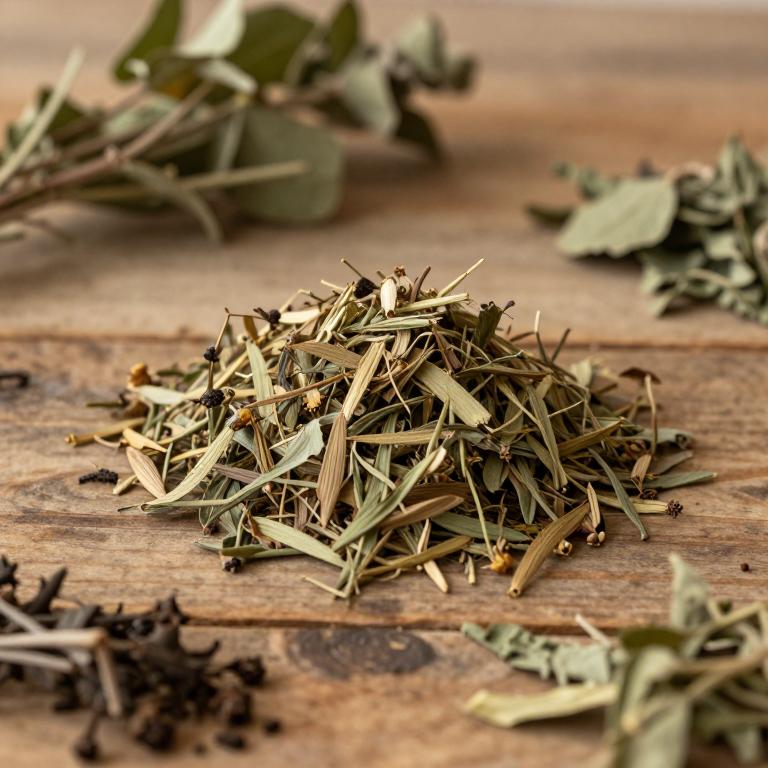
Terminalia kilimandscharica is a distinctive botanical species known for its unique presence in its native habitat. This plant is specifically noted for the characteristics and functions of its foliage. Many practitioners focus on the leaves as the primary component for various traditional applications. These leaves are often processed into specific preparations to harness their inherent properties. Understanding the role of these leaf preparations is essential for studying the plant's full utility.
- Synonyms
- Terminalia Hildebrandtii
- Common names
- Not available
- Family
- Combretaceae
- Distribution
- Not available
- Plant Parts
- Leaf
Classification
Synonyms
Terminalia kilimandscharica is a distinctive species often recognized within its specific ecological niche. In botanical literature, you may frequently encounter this plant referred to by its synonym, Terminalia hildebrandtii. While these two names may appear different, they both represent the same biological entity. Understanding these nomenclatural connections is essential for researchers studying its unique characteristics. Recognizing both terms ensures accuracy when documenting the plant's presence in various scientific databases.
Sources: The World Checklist of Vascular Plants (WCVP)
Taxonomy
Terminalia kilimandscharica is a distinctive species belonging to the vast kingdom Plantae. Within this biological kingdom, the plant is classified under the class Equisetopsida. It further falls into the specific order Myrtales, which helps define its structural characteristics. This plant is a member of the Combretaceae family, a group known for its diverse botanical traits. Ultimately, its taxonomic identity is solidified by its placement within the genus Terminalia.
| Rank | Classification |
|---|---|
| Kingdom | Plantae |
| Phylum | Streptophyta |
| Class | Equisetopsida |
| Subclass | Magnoliidae |
| Order | Myrtales |
| Family | Combretaceae |
| Genus | Terminalia |
Sources: The World Checklist of Vascular Plants (WCVP)
Distribution
Geographic Regions
Terminalia kilimandscharica is a distinctive species primarily found within the diverse landscapes of East Tropical Africa. Its natural range is concentrated in specific regions, most notably throughout the country of Kenya. Additionally, the plant maintains a significant presence across the expansive territories of Tanzania. These overlapping distributions highlight its importance to the local ecosystems within these neighboring nations. Understanding its geographic footprint is essential for studying the botanical heritage of the African continent.
Sources: The World Checklist of Vascular Plants (WCVP)
Identification
Morphology
Terminalia kilimandscharica is characterized by its robust growth form as a tree. This species is entirely self-supporting, allowing it to maintain a sturdy and independent structure.
Sources: Global Inventory of Floras and Traits (GIFT)
Biological Activities
Compounds
Conditions
Terminalia kilimandscharica demonstrates significant biological activity as a molluscicide against the snail Biomphalaria pfeifferi. Specifically, the leaves of this plant were found to achieve a 100% kill rate when tested against these snails. Furthermore, the plant exhibits potent antibacterial properties against Gram-negative bacteria, including Pseudomonas aeruginosa and Escherichia coli. It also effectively treats Gram-positive bacteria such as Bacillus cereus and Staphylococcus aureus. These diverse medicinal qualities are driven by methanolic extracts of the bark, which show minimum inhibitory activity against all tested bacterial strains.
Preparations
Terminalia kilimandscharica is prepared as leaves for use in molluscicidal applications. In studies conducted in Machakos District, Kenya, these specific leaf extracts demonstrated significant efficacy. The plant was screened as a water extract to evaluate its potential for controlling snail populations. Specifically, the leaves of this species achieved a 100% kill rate against Biomphalaria pfeifferi. This preparation makes the plant a highly effective candidate for local snail control programs.
Parts used
Terminalia kilimandscharica serves as a notable example of a plant species utilized for its potential molluscicidal properties. Within the study conducted in the Machakos District of Kenya, the leaves of this specific species were tested as water extracts. Researchers discovered that the leaf material of this plant was capable of achieving a 100% kill rate against the snail Biomphalaria pfeifferi. This finding highlights the effectiveness of various plant parts, including the leaves of Terminalia kilimandscharica, in controlling snail populations. Consequently, such botanical resources could play a vital role in developing local snail control programs.