Telosma pallida
Telosma pallida · Accepted scientific name
Scientific literature: Very Sparse (6 studies) · ★☆☆☆☆
, scientifically known as Telosma pallida, is a significant medicinal plant valued for its diverse therapeutic properties. Often utilized in traditional medicine, this species contains bioactive compounds believed to offer healing benefits. Understanding its botanical characteristics and pharmacological potential is essential for exploring its role in natural healthcare treatments.
- Family
- Apocynaceae
- Native range
- Asia-Temperate
- Parts used
- Not available
- Common names
- Not available
- Scientific synonyms
- Pergularia Pallida · Pergularia Montana · 1 more
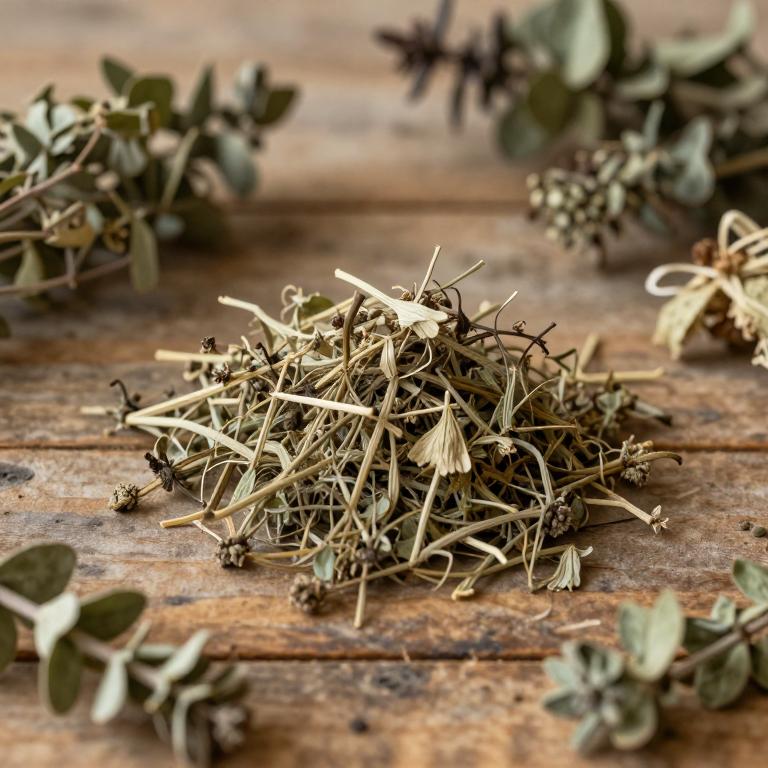
Names and Synonyms
Scientific Names
Accepted name
Telosma pallidaSynonyms
- Pergularia pallida
- Pergularia montana
- Pergularia coromandeliana
Sources: Wikidata, Catalogue of Life
Taxonomical Classification
This plant belongs to the kingdom Plantae and the phylum Streptophyta, falling under the class Equisetopsida and subclass Magnoliidae. Within the order Gentianales, it is classified under the family Apocynaceae. Finally, its specific taxonomic identification is placed within the genus Telosma.
| Rank | Classification |
|---|---|
| Kingdom | Plantae |
| Phylum | Streptophyta |
| Class | Equisetopsida |
| Subclass | Magnoliidae |
| Order | Gentianales |
| Family | Apocynaceae |
| Genus | Telosma |
Sources: The World Checklist of Vascular Plants (WCVP)
Distribution
This plant exhibits a specific geographical range across parts of East and South Asia. In Eastern Asia, its presence is documented within the territory of Taiwan. Moving to the Indian Subcontinent, it can be found spanning across India and Bangladesh. Additionally, the species is distributed throughout the East Himalaya region. Finally, its habitat extends into the specific area of Assam.
| Region | Area |
|---|---|
| Eastern Asia | Taiwan |
| Indian Subcontinent | Assam |
| Indian Subcontinent | Bangladesh |
| Indian Subcontinent | East Himalaya |
| Indian Subcontinent | India |
| Indian Subcontinent | Nepal |
| Indian Subcontinent | Pakistan |
| Indian Subcontinent | West Himalaya |
| Indo-China | Myanmar |
| Indo-China | Thailand |
Sources: The World Checklist of Vascular Plants (WCVP)
Botanical Identification
Physiology
The physiology of Telosma pallida is characterized by specific morphological dimensions of its foliage that influence its photosynthetic capacity and transpiration rates. The leaves exhibit a regulated size distribution, with a mean leaf length of 7 cm and a range extending from a minimum of 6 cm to a maximum of 8 cm. Correspondingly, the leaf width shows significant physiological variation, maintaining a mean width of 4 cm, with individual measurements fluctuating between a minimum of 3 cm and a maximum of 5 cm. These structural parameters suggest a controlled surface area optimization, which plays a critical role in the plant's metabolic efficiency and its ability to manage gas exchange and moisture retention within its natural habitat.
- Leaf length max:
- 8 cm
- Leaf length mean:
- 7 cm
- Leaf length min:
- 6 cm
- Leaf width max:
- 5 cm
- Leaf width mean:
- 4 cm
- Leaf width min:
- 3 cm
Reproduction
The reproduction of Telosma pallida is characterized by the development of distinct fruits that vary in size across the population. These fruits exhibit a measurable range in length, with the smallest recorded specimens measuring 5.5 cm. The average fruit length for this species is approximately 7.75 cm, though individual fruits can reach a maximum length of up to 10 cm.
- Fruit length max:
- 10 cm
- Fruit length mean:
- 7.75 cm
- Fruit length min:
- 5.5 cm
Sources: Global Inventory of Floras and Traits (GIFT)
Chemicals
Telosma pallida has 3 reported phytochemicals identified across 0 scientific publications and several other databases. The most consistently reported chemicals include Pergularinine, Tylophorinidine, Deoxytubulosine.
| Chemical | Supporting sources | Consensus |
|---|---|---|
| Pergularinine | 2 supporting sources | ★☆☆☆☆ |
| Tylophorinidine | 2 supporting sources | ★☆☆☆☆ |
| Deoxytubulosine | 1 supporting sources | ★☆☆☆☆ |
Pergularinine
- Indian journal of biochemistry & biophysics
- Toxicology in vitro : an international journal published in association with BIBRA
Tylophorinidine
- Indian journal of biochemistry & biophysics
- Toxicology in vitro : an international journal published in association with BIBRA
Deoxytubulosine
- Indian journal of biochemistry & biophysics
Activities
Telosma pallida has 1 reported activities identified across 0 scientific publications and several other databases. The most consistently reported activities include Antimicrobial.
| Activity | Supporting sources | Consensus |
|---|---|---|
| Antimicrobial | 1 supporting sources | ★☆☆☆☆ |
Antimicrobial
- Toxicology in vitro : an international journal published in association with BIBRA
Preparations
Telosma pallida has 1 reported preparations identified across 0 scientific publications and several other databases. The most consistently reported preparations include pergularinine.
| Preparation | Supporting sources | Consensus |
|---|---|---|
| Pergularinine | 1 supporting sources | ★☆☆☆☆ |
Pergularinine
- Indian journal of biochemistry & biophysics