Tectona philippinensis
Tectona philippinensis · Accepted scientific name
Scientific literature: Very Sparse (2 studies) · ★☆☆☆☆
, scientifically known as Tectona philippinenis, is a rare medicinal plant endemic to the Philippines. Found primarily in rainforest ecosystems, it holds significant ethnobotanical value. Traditional healers utilize its unique properties for various therapeutic applications, making it a vital subject for pharmacological research and biodiversity conservation efforts worldwide.
- Family
- Not available
- Native range
- Asia-Tropical
- Parts used
- Leaf
- Common names
- Not available
- Scientific synonyms
- Not available
Names and Synonyms
Scientific Names
Accepted name
Tectona philippinensisDistribution
This plant is native to the specific biological region known as Malesia. Within this expansive tropical zone, its occurrence is strictly limited to the archipelago of the Philippines. This localized distribution suggests that the species is endemic to the Philippine islands. Because it is found only in this specific area, its habitat is closely tied to the local climate of the region. Consequently, understanding its range is essential for the conservation of this particular medicinal species.
| Region | Area |
|---|---|
| Malesia | Philippines |
Sources: The World Checklist of Vascular Plants (WCVP)
Botanical Identification
Life history
The life history of Tectona philippinenis is characterized by its classification as a phanerophyte, specifically exhibiting traits consistent with both the phanerophyte and nanophanerophyte life forms. As a phanerophyte, its regenerative buds are located high above the ground on woody stems, allowing it to maintain a perennial structure that can withstand seasonal environmental shifts. This growth strategy ensures that the plant can establish a significant woody biomass, positioning its reproductive and vegetative organs well above the soil surface to maximize access to light and resources within its native habitat.
- Life form :
- phanerophyte
Morphology
The morphology of Tectona philippinensis is characterized by a robust, woody structure, reflecting its growth habit as a substantial plant within its ecosystem. It functions as a self-supporting climber, possessing the structural integrity to ascend and maintain its position without relying on external hosts for primary physical stability. As an independent organism, it does not exhibit parasitic behavior, maintaining its own nutritional autonomy rather than deriving sustenance from other plants. Furthermore, its growth is terrestrial in nature, establishing itself firmly in the soil rather than functioning as an epiphyte, which ensures a stable foundation for its woody development.
- Climber :
- self-supporting
- Epiphyte :
- terrestrial
- Parasite :
- independent
- Woodiness :
- woody
Sources: Global Inventory of Floras and Traits (GIFT)
Plant Parts
Tectona philippinensis has 1 reported plant parts identified across 2 scientific publications and several other databases that are studied for medicinal purposes. The most consistently reported plant part include leaf.
| Plant part | Supporting sources | Consensus |
|---|---|---|
| Leaf | 2 supporting sources | ★☆☆☆☆ |
Leaf
- Natural product research
- Journal of natural products
Preparations
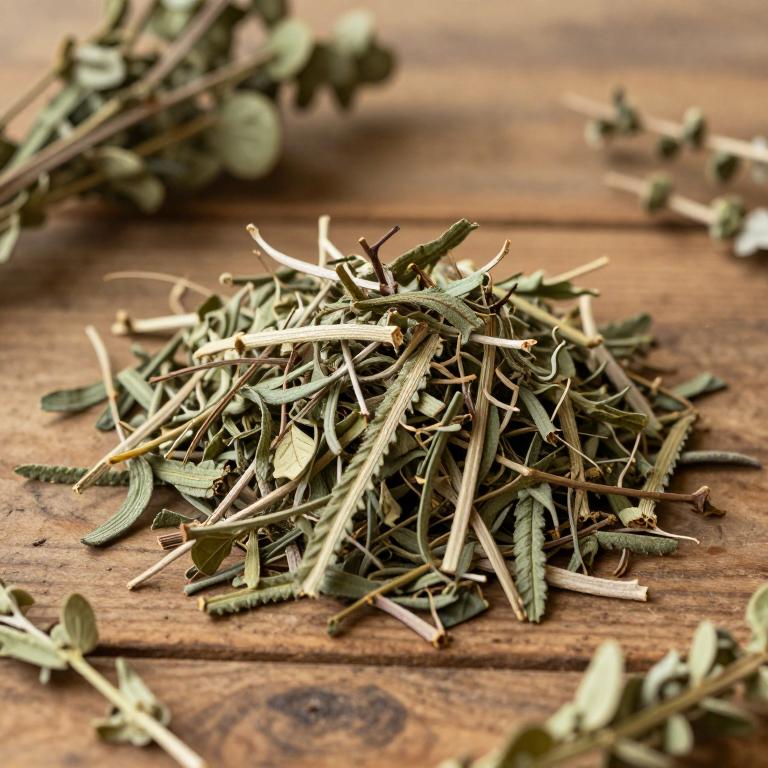
Tectona philippinensis has 1 reported preparations identified across 2 scientific publications and several other databases. The most consistently reported preparations include air-dried leaves.
| Preparation | Supporting sources | Consensus |
|---|---|---|
| Air-dried leaves | 2 supporting sources | ★☆☆☆☆ |
Air-dried leaves
- Natural product research
- Journal of natural products