Taxillus sutchuenensis var. duclouxii
Taxillus sutchuenensis var. duclouxii · Accepted scientific name
Scientific literature: Very Sparse (0 studies) · ★☆☆☆☆
Taxillus sutchuenensis var. duclouxii is a specialized botanical variety recognized for its significant medicinal potential. Researchers have focused particular attention on its leaves, which contain bioactive compounds essential for therapeutic studies. Scientific investigations suggest that this plant may play a role in managing complex conditions such as arthritis and diabetes mellitus. Furthermore, its biological properties are being explored for their effects on cell proliferation and hypertension. Understanding these diverse applications highlights the importance of this species in modern pharmacological research.
- Synonyms
- Loranthus Yadoriki Var. Hupehanus · Cichlanthus Yadoriki · 5 more
- Common names
- Not available
- Family
- Loranthaceae
- Distribution
- Not available
- Plant Parts
- Leaf
Classification
Common Names
Taxillus sutchuenensis var. duclouxii is a distinctive plant recognized by various regional names across different languages. In Chinese contexts, it is widely known by common names such as hui mao sang ji sheng, 湖北桑寄生, and 灰毛桑寄生. Some botanical records also include the variation 灰毛桑寄生(灰毛寄生) to describe its specific characteristics. Moving into Japanese nomenclature, the species is identified as オオバヤドリギ. These diverse names highlight the plant's widespread recognition throughout its natural habitat.
Sources: Catalogue of Life (COL)
Synonyms
Taxillus sutchuenensis var. duclouxii is a botanical entity characterized by a complex history of taxonomic reclassifications. Throughout various scientific studies, this variety has been identified by several different names, including Cichlanthus yadoriki and Loranthus duclouxii. It is also frequently referred to in historical literature as Loranthus yadoriki or its specific subspecies, Loranthus yadoriki var. hupehanus. Furthermore, the plant has been classified under the genus Scurrula as Scurrula yadoriki. Understanding these various synonyms is essential for researchers navigating the evolving nomenclature of this species.
Sources: The World Checklist of Vascular Plants (WCVP)
Taxonomy
Taxillus sutchuenensis var. duclouxii is a specialized botanical specimen belonging to the vast kingdom Plantae. Within this biological realm, it is classified under the class Equisetopsida, marking its place among the vascular plants. Its evolutionary lineage follows the order Santalales, a group often noted for unique parasitic or semi-parasitic lifestyles. As a member of the genus Taxillus, it exhibits distinct morphological characteristics unique to its group. Finally, this variety is nested within the family Loranthaceae, completing its detailed taxonomic profile.
| Rank | Classification |
|---|---|
| Kingdom | Plantae |
| Phylum | Streptophyta |
| Class | Equisetopsida |
| Subclass | Magnoliidae |
| Order | Santalales |
| Family | Loranthaceae |
| Genus | Taxillus |
Sources: The World Checklist of Vascular Plants (WCVP)
Distribution
Geographic Regions
Taxillus sutchuenensis var. duclouxii is a specialized plant species found throughout various regions of the Asia-Temperate zone. Its natural range extends significantly across China, including both the South-Central and Southeast provinces. Beyond the Chinese mainland, this variety also thrives within the temperate landscapes of Eastern Asia. Specifically, it maintains a presence in the countries of Japan and Korea. This widespread distribution highlights the plant's ability to adapt to diverse ecological niches across the eastern part of the continent.
Sources: The World Checklist of Vascular Plants (WCVP)
Identification
Biological Activities
Compounds
Conditions
Taxillus sutchuenensis var. duclouxii effectively treats arthritis through its diverse anti-inflammatory mechanisms. This plant works by treating the LPS-induced secretion of NO and PGE2 within cellular models. It also treats LPS-mediated iNOS COX-2 expression to limit inflammatory responses. Furthermore, the plant treats the LPS-mediated inhibitor of IκB-α to regulate signaling pathways. Finally, Taxillus sutchuenensis var. duclouxii treats TNF-α and IL-1β induced by LPS, providing a comprehensive approach to reducing cytokine production.
Preparations
Parts used
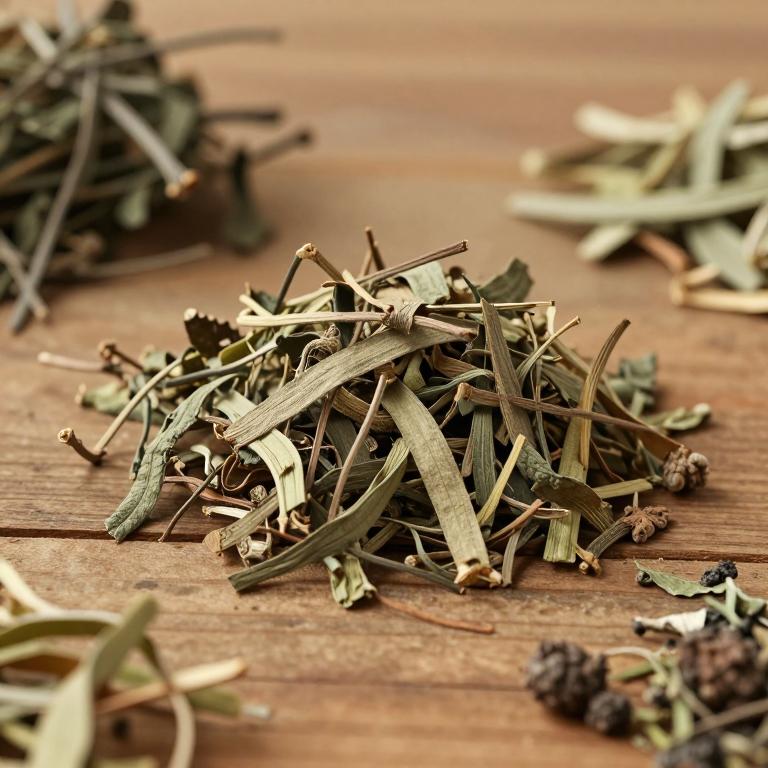
Taxillus sutchuenensis var. duclouxii has part leaf structures that distinguish it within its botanical classification. While specific research on this exact variety is limited in the provided text, studies on related species like Taxillus yadoriki highlight the importance of plant parts in medicinal efficacy. For instance, research indicates that branches from certain Taxillus species often demonstrate superior anti-proliferative effects compared to their leaves. These findings suggest that the specific anatomical components of a mistletoe plant play a critical role in its biochemical potential. Understanding these morphological relationships is essential for identifying the most effective plant parts for developing future cancer therapies.