Taverniera glabra
Taverniera glabra · Accepted scientific name
Scientific literature: Very Sparse (5 studies) · ★☆☆☆☆
Taverniera glabra, scientifically known as Taverniera glabra, is a remarkable medicinal plant valued for its diverse therapeutic properties. Renowned in traditional medicine, it contains bioactive compounds that offer antioxidant and anti-inflammatory benefits. Exploring its chemical profile reveals significant potential for developing natural treatments for various health conditions.
- Family
- Fabaceae
- Native range
- Asia-Temperate
- Parts used
- Root · Stem
- Common names
- Not available
- Scientific synonyms
- Taverniera Ephedroidea
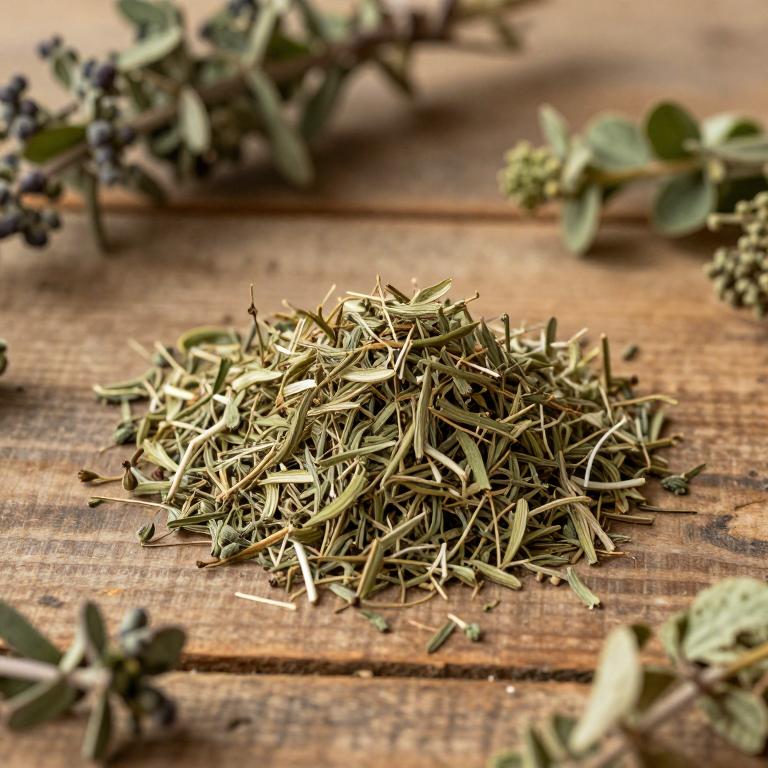
Names and Synonyms
Scientific Names
Accepted name
Taverniera glabraSynonyms
- Taverniera ephedroidea
Sources: Wikidata
Taxonomical Classification
This plant belongs to the kingdom Plantae and the phylum Streptophyta, specifically within the class Equisetopsida and subclass Magnoliidae. It is classified under the order Fabales and the family Fabaceae. Within this family, it is categorized under the genus Taverniera, with the specific species being Taverniera glabra.
| Rank | Classification |
|---|---|
| Kingdom | Plantae |
| Phylum | Streptophyta |
| Class | Equisetopsida |
| Subclass | Magnoliidae |
| Order | Fabales |
| Family | Fabaceae |
| Genus | Taverniera |
Sources: The World Checklist of Vascular Plants (WCVP)
Distribution
This plant is widely distributed across several key regions in Western and Southern Asia. In Western Asia, it can be found growing within the borders of Iran. Its range extends further south into the Arabian Peninsula, specifically covering the various Gulf States. Additionally, the species is present in the Indian Subcontinent, where it is located in Pakistan. These distinct locations highlight its ability to thrive in diverse arid environments across the region.
| Region | Area |
|---|---|
| Western Asia | Iran |
| Arabian Peninsula | Gulf States |
| Indian Subcontinent | Pakistan |
Sources: The World Checklist of Vascular Plants (WCVP)
Plant Parts
Taverniera glabra has 2 reported plant parts identified across 2 scientific publications and several other databases that are studied for medicinal purposes. The most consistently reported plant part include root, stem.
| Plant part | Supporting sources | Consensus |
|---|---|---|
| Root | 1 supporting sources | ★☆☆☆☆ |
| Stem | 1 supporting sources | ★☆☆☆☆ |
Root
- Pakistan journal of pharmaceutical sciences
Stem
- Pakistan journal of pharmaceutical sciences
Activities
Taverniera glabra has 2 reported activities identified across 2 scientific publications and several other databases. The most consistently reported activities include Analgesic, Sedative.
| Activity | Supporting sources | Consensus |
|---|---|---|
| Analgesic | 1 supporting sources | ★☆☆☆☆ |
| Sedative | 1 supporting sources | ★☆☆☆☆ |
Analgesic
- Pakistan journal of pharmaceutical sciences
Sedative
- Pakistan journal of pharmaceutical sciences
Conditions
Taverniera glabra has 1 reported investigations on conditions identified across 2 scientific publications and several other databases. The most consistently reported conditions include pain.
| Condition | Supporting sources | Consensus |
|---|---|---|
| Pain | 1 supporting sources | ★☆☆☆☆ |
Pain
- Pakistan journal of pharmaceutical sciences
Preparations
Taverniera glabra has 1 reported preparations identified across 2 scientific publications and several other databases. The most consistently reported preparations include crude methanolic extract of stem and root.
| Preparation | Supporting sources | Consensus |
|---|---|---|
| Crude methanolic extract of stem and root | 1 supporting sources | ★☆☆☆☆ |
Crude methanolic extract of stem and root
- Pakistan journal of pharmaceutical sciences