Taraxacum syriacum
Taraxacum syriacum · Accepted scientific name
Scientific literature: Very Sparse (0 studies) · ★☆☆☆☆
Taraxacum syriacum, commonly known as the Syrian dandelion, is a resilient herbaceous perennial found across various Mediterranean landscapes. While often viewed as a simple weed, this plant possesses significant botanical properties that have been studied for their medicinal potential. Specifically, it is frequently researched for its diuretic effects, which may play a role in managing renal health. Some traditional practices suggest that its use can assist in the flushing of the urinary tract to help alleviate the discomfort of kidney stones. Understanding its chemical composition is essential for exploring how this plant might support kidney function and stone prevention.
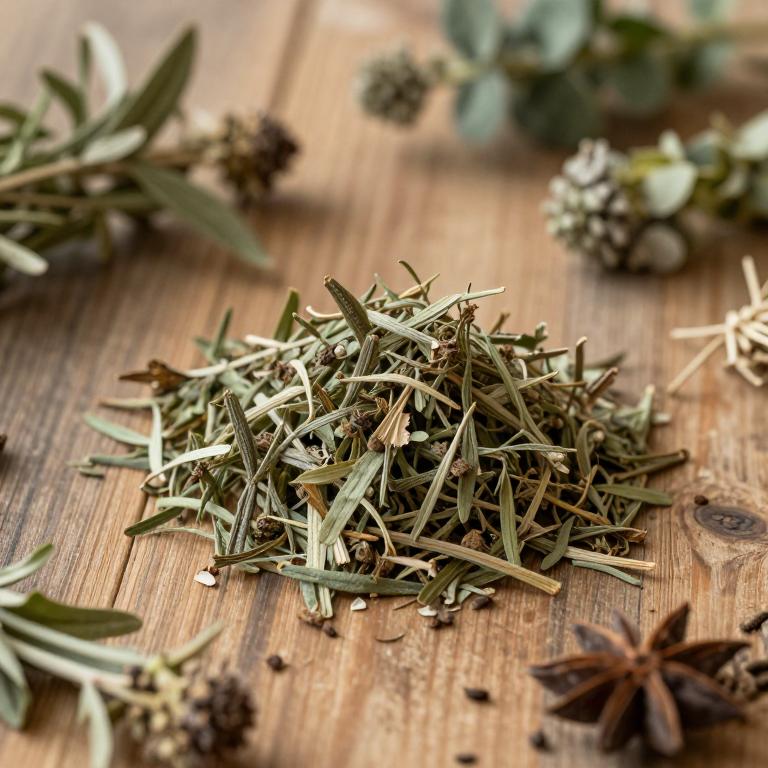
- Synonyms
- Taraxacum Montanum Var. Denudatum
- Common names
- Not available
- Family
- Asteraceae
- Distribution
- Not available
- Plant Parts
- Not available
Classification
Common Names
Taraxacum syriacum is a distinctive plant species known by various names across different languages and regions. In Russian-speaking areas, it is commonly referred to as Одуванчик сирийский. Hebrew speakers identify this botanical specimen as שינן סורי. Meanwhile, in Arabic, the plant is frequently called طرخشقون سوري. Understanding these linguistic variations helps gardeners and botanists identify the species regardless of their cultural background.
Sources: Catalogue of Life (COL)
Synonyms
Taraxacum syriacum is a botanical species that is frequently identified through various taxonomic aliases. In many scientific records, it is recognized by the synonym Taraxacum denudatum. Furthermore, the plant is also associated with the name Taraxacum montanum var. denudatum. These overlapping classifications can sometimes create confusion for researchers studying its specific lineage. Understanding these nomenclatural relationships is essential for maintaining accuracy within botanical databases.
Sources: The World Checklist of Vascular Plants (WCVP)
Taxonomy
Taraxacum syriacum is a fascinating botanical specimen that belongs to the vast kingdom Plantae. Within this expansive group, it is classified under the class Equisetopsida. The plant is further organized into the order Asterales, showcasing its specific evolutionary placement. It holds a position within the well-known family Asteraceae, a group characterized by its distinctive floral structures. Finally, this species is identified by its specific genus, Taraxacum, which defines its unique biological identity.
| Rank | Classification |
|---|---|
| Kingdom | Plantae |
| Phylum | Streptophyta |
| Class | Equisetopsida |
| Subclass | Magnoliidae |
| Order | Asterales |
| Family | Asteraceae |
| Genus | Taraxacum |
Sources: The World Checklist of Vascular Plants (WCVP)
Distribution
Geographic Regions
Taraxacum syriacum is a notable species primarily distributed across the Asia-Temperate regions. Its range extends through the mountainous terrains of the Caucasus and Transcaucasus. In Central Asia, this plant can be found flourishing in both Tajikistan and Turkmenistan. The distribution also reaches into Western Asia, where it is established in Afghanistan. Furthermore, its presence is well-documented across the landscapes of Iran.
Sources: The World Checklist of Vascular Plants (WCVP)
Identification
Morphology
Taraxacum syriacum is a distinctive herb characterized by its low-growing botanical structure. This plant typically maintains a modest stature, with its height reaching a maximum of 0.2 meters. On average, the species stays closer to the ground, often measuring as little as 0.08 meters in height.
Sources: Global Inventory of Floras and Traits (GIFT)
Biological Activities
Compounds
Conditions
Taraxacum syriacum is identified as one of the most commonly used plant species for the treatment of kidney stones. This medicinal plant was highlighted in an ethnopharmacological survey conducted among traditional healers and herbalists in the West Bank region of Palestine. Among several other species cited for addressing urological issues, it specifically plays a role in managing renal stones. The research indicates that such plants are frequently prepared as decoctions to treat various urinary tract diseases. Consequently, this species stands out as a key component in the traditional herbal remedies used for kidney stone ailments.