Tanacetum sonbolii
Tanacetum sonbolii · Accepted scientific name
Scientific literature: Very Sparse (17 studies) · ★☆☆☆☆
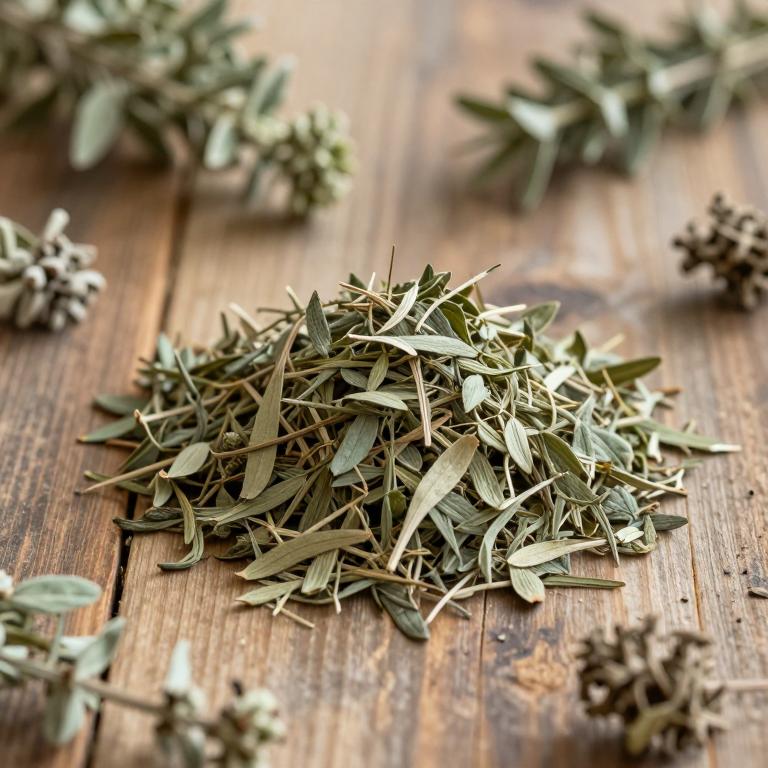
scientifically known as Tanacetum sonbolii, is a significant medicinal herb valued in traditional pharmacology. Belonging to the Asteraceae family, this plant is prized for its therapeutic properties, often utilized to treat various ailments. Its unique bioactive compounds offer vast potential for developing natural treatments and enhancing modern herbal medicine.
- Family
- Asteraceae
- Native range
- Asia-Temperate
- Parts used
- Flower
- Common names
- Not available
- Scientific synonyms
- Not available
Names and Synonyms
Scientific Names
Accepted name
Tanacetum sonboliiSources: Wikidata
Taxonomical Classification
This plant belongs to the kingdom Plantae and the phylum Streptophyta, falling under the class Equisetopsida and subclass Magnoliidae. It is classified within the order Asterales and the family Asteraceae. Finally, its specific taxonomic designation is within the genus Tanacetum.
| Rank | Classification |
|---|---|
| Kingdom | Plantae |
| Phylum | Streptophyta |
| Class | Equisetopsida |
| Subclass | Magnoliidae |
| Order | Asterales |
| Family | Asteraceae |
| Genus | Tanacetum |
Sources: The World Checklist of Vascular Plants (WCVP)
Distribution
This plant, known scientifically as Tanacetum sonbolii, possesses a very specific and limited natural range. Its presence is primarily documented within the vast region of Western Asia. Specifically, the species is found growing in the landscapes of Iran. This localized distribution suggests that the plant is adapted to the particular environmental conditions found in that country. Consequently, researchers focusing on this species concentrate their studies within this specific geographical area.
| Region | Area |
|---|---|
| Western Asia | Iran |
Sources: The World Checklist of Vascular Plants (WCVP)
Plant Parts
Tanacetum sonbolii has 1 reported plant parts identified across 1 scientific publications and several other databases that are studied for medicinal purposes. The most consistently reported plant part include flower.
| Plant part | Supporting sources | Consensus |
|---|---|---|
| Flower | 1 supporting sources | ★☆☆☆☆ |
Flower
- Planta medica
Chemicals
Tanacetum sonbolii has 7 reported phytochemicals identified across 1 scientific publications and several other databases. The most consistently reported chemicals include 2,4-Dihydroxy-6-methoxyacetophenone, 5-Desmethylsinensetin, 5-desmethylnobiletin, 8-Methoxycirsilineol, Ursolic acid.
| Chemical | Supporting sources | Consensus |
|---|---|---|
| 2,4-Dihydroxy-6-methoxyacetophenone | 1 supporting sources | ★☆☆☆☆ |
| 5-Desmethylsinensetin | 1 supporting sources | ★☆☆☆☆ |
| 5-desmethylnobiletin | 1 supporting sources | ★☆☆☆☆ |
| 8-Methoxycirsilineol | 1 supporting sources | ★☆☆☆☆ |
| Ursolic acid | 1 supporting sources | ★☆☆☆☆ |
| apigenin | 1 supporting sources | ★☆☆☆☆ |
| scopoletin | 1 supporting sources | ★☆☆☆☆ |
2,4-Dihydroxy-6-methoxyacetophenone
- Iranian journal of pharmaceutical research : IJPR
5-Desmethylsinensetin
- Iranian journal of pharmaceutical research : IJPR
5-desmethylnobiletin
- Iranian journal of pharmaceutical research : IJPR
8-Methoxycirsilineol
- Iranian journal of pharmaceutical research : IJPR
Ursolic acid
- Iranian journal of pharmaceutical research : IJPR
apigenin
- Iranian journal of pharmaceutical research : IJPR
scopoletin
- Iranian journal of pharmaceutical research : IJPR
Activities
Tanacetum sonbolii has 1 reported activities identified across 1 scientific publications and several other databases. The most consistently reported activities include Antiprotozoal.
| Activity | Supporting sources | Consensus |
|---|---|---|
| Antiprotozoal | 1 supporting sources | ★☆☆☆☆ |
Antiprotozoal
- Iranian journal of pharmaceutical research : IJPR
Conditions
Tanacetum sonbolii has 5 reported investigations on conditions identified across 1 scientific publications and several other databases. The most consistently reported conditions include Leishmania donovani, Plasmodium falciparum, Trypanosoma brucei rhodesiense, Trypanosoma cruzi, pain.
| Condition | Supporting sources | Consensus |
|---|---|---|
| Leishmania donovani | 1 supporting sources | ★☆☆☆☆ |
| Plasmodium falciparum | 1 supporting sources | ★☆☆☆☆ |
| Trypanosoma brucei rhodesiense | 1 supporting sources | ★☆☆☆☆ |
| Trypanosoma cruzi | 1 supporting sources | ★☆☆☆☆ |
| Pain | 1 supporting sources | ★☆☆☆☆ |
Leishmania donovani
- Iranian journal of pharmaceutical research : IJPR
Plasmodium falciparum
- Iranian journal of pharmaceutical research : IJPR
Trypanosoma brucei rhodesiense
- Iranian journal of pharmaceutical research : IJPR
Trypanosoma cruzi
- Iranian journal of pharmaceutical research : IJPR
Pain
- Basic and clinical neuroscience
Preparations
Tanacetum sonbolii has 6 reported preparations identified across 1 scientific publications and several other databases. The most consistently reported preparations include Tanacetum sonbolii extract, ethyl acetate extract, extracts from aerial parts, extracts from flowers, hydroalcoholic extract.
| Preparation | Supporting sources | Consensus |
|---|---|---|
| Tanacetum sonbolii extract | 1 supporting sources | ★☆☆☆☆ |
| Ethyl acetate extract | 1 supporting sources | ★☆☆☆☆ |
| Extracts from aerial parts | 1 supporting sources | ★☆☆☆☆ |
| Extracts from flowers | 1 supporting sources | ★☆☆☆☆ |
| Hydroalcoholic extract | 1 supporting sources | ★☆☆☆☆ |
| Hydroalcoholic extract of tanacetum sonbolii | 1 supporting sources | ★☆☆☆☆ |
Tanacetum sonbolii extract
- Basic and clinical neuroscience
Ethyl acetate extract
- Iranian journal of pharmaceutical research : IJPR
Extracts from aerial parts
- Planta medica
Extracts from flowers
- Planta medica
Hydroalcoholic extract
- Basic and clinical neuroscience
Hydroalcoholic extract of tanacetum sonbolii
- Basic and clinical neuroscience