Tanacetum sinaicum
Tanacetum sinaicum · Accepted scientific name
Scientific literature: Very Sparse (0 studies) · ★☆☆☆☆
Tanacetum sinaicum is a botanical species recognized for its unique chemical profile, which includes compounds such as chrysanthenyl acetate, thujone, and verbenol. Scientific investigations into its properties often focus on various preparations, specifically hydro-alcoholic extracts and its essential oil. Recent studies have highlighted the plant's potential biological activity against specific viral strains, including HPV 18 and HPV 16. By analyzing these chemical constituents, researchers aim to better understand the therapeutic possibilities offered by this species. This plant represents a significant subject of interest in the ongoing search for natural bioactive agents.
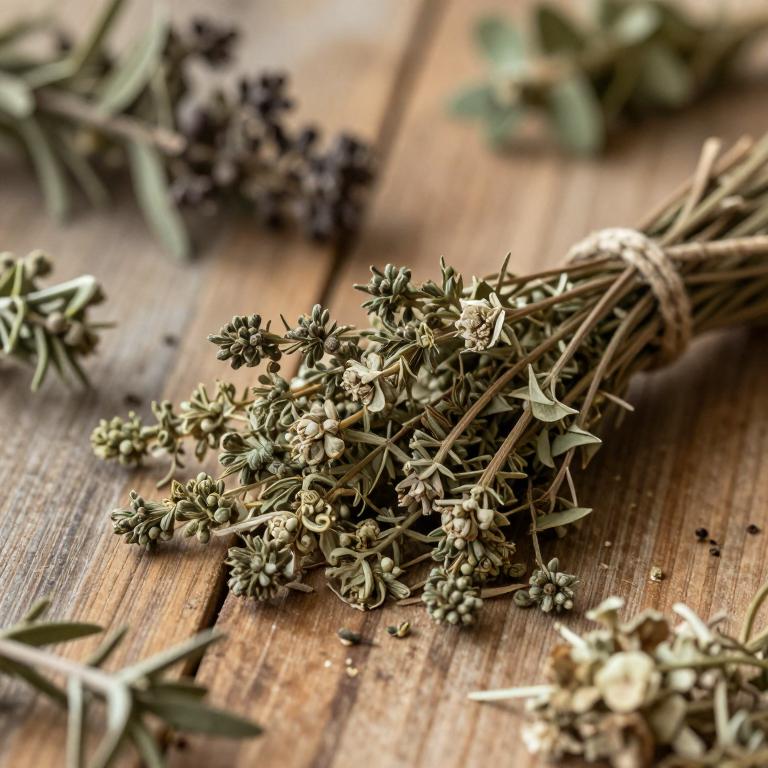
- Synonyms
- Chrysanthemum Sinaicum · Pyrethrum Santolinoides · 2 more
- Common names
- Not available
- Family
- Asteraceae
- Distribution
- Not available
- Plant Parts
- Not available
Classification
Synonyms
Tanacetum sinaicum is a botanical species that has been identified by several different scientific names throughout history. Because of varying taxonomic classifications, it is frequently referred to by its synonym Chrysanthemum sinaicum. Researchers may also encounter this plant documented under the name Pyrethrum santolinoides in older literature. Furthermore, the species has been categorized as Santolina sinaica in certain botanical contexts. Finally, the designation Tanacetum santolinoides serves as another recognized synonym for this versatile plant.
Sources: The World Checklist of Vascular Plants (WCVP)
Taxonomy
Tanacetum sinaicum is a member of the vast kingdom Plantae. Within this biological realm, the species belongs to the class Equisetopsida. It is further classified under the order Asterales, showcasing its evolutionary lineage. This plant is a distinguished member of the genus Tanacetum. Finally, it finds its botanical home within the diverse family Asteraceae.
| Rank | Classification |
|---|---|
| Kingdom | Plantae |
| Phylum | Streptophyta |
| Class | Equisetopsida |
| Subclass | Magnoliidae |
| Order | Asterales |
| Family | Asteraceae |
| Genus | Tanacetum |
Sources: The World Checklist of Vascular Plants (WCVP)
Distribution
Geographic Regions
Tanacetum sinaicum is a plant species characterized by its widespread presence across the Asia-Temperate regions. Its geographical footprint extends through the Arabian Peninsula, with notable occurrences found within Saudi Arabia. The plant also maintains a significant distribution throughout Western Asia, specifically within the territory of Palestine. Furthermore, its range reaches into the Sinai region, highlighting its adaptability to diverse landscapes. This combination of locations illustrates the broad ecological reach of the species across these arid and temperate zones.
Sources: The World Checklist of Vascular Plants (WCVP)
Identification
Morphology
Tanacetum sinaicum is characterized by its distinct shrub-like growth form.
Sources: Global Inventory of Floras and Traits (GIFT)
Biological Activities
Compounds
Tanacetum sinaicum serves as a rich source of various bioactive essential oil components. Chemical characterization via gas chromatography-mass spectrometry reveals that the plant's oil is primarily composed of specific organic compounds. Specifically, the essential oil contains significant amounts of chrysanthenyl acetate, thujone, and verbenol. These chemical constituents are central to the plant's potential therapeutic profile in medicinal applications. Understanding these specific relationships is crucial for exploring the oil's antiviral and anticancer properties.
Conditions
Tanacetum sinaicum essential oil demonstrates significant therapeutic potential by effectively treating HPV-16 and HPV-18 through the reduction of virus copy numbers. The oil also targets cellular processes by treating autophage, as evidenced by an increase in autophagosomes and acidic vesicular organelles. Furthermore, it treats cell genotoxicity by inducing dose-dependent DNA damage in cancer cell lines. These combined actions allow Tanacetum sinaicum to treat anti-metastatic characteristics in both cervical and breast adenocarcinoma cells. Through these multifaceted biological activities, the plant serves as a promising source for antiviral and anticancer applications.
Preparations
Tanacetum sinaicum is prepared as hydro-alcoholic extracts to investigate its moderate antiviral activity against the POLIO virus. This plant is also prepared as an essential oil through the process of hydrodistillation. The resulting essential oil is characterized by its antiviral, antiproliferative, and antimetastatic properties in human cervical and breast cancer cell lines. Specifically, the essential oil has been shown to lower virus copy numbers for HPV-16 and 18 in a dose-dependent manner. Both the hydro-alcoholic extracts and the essential oil serve as important subjects for assessing the medicinal potential of this species.