Tanacetum dumosum
Tanacetum dumosum · Accepted scientific name
Scientific literature: Very Sparse (22 studies) · ★☆☆☆☆
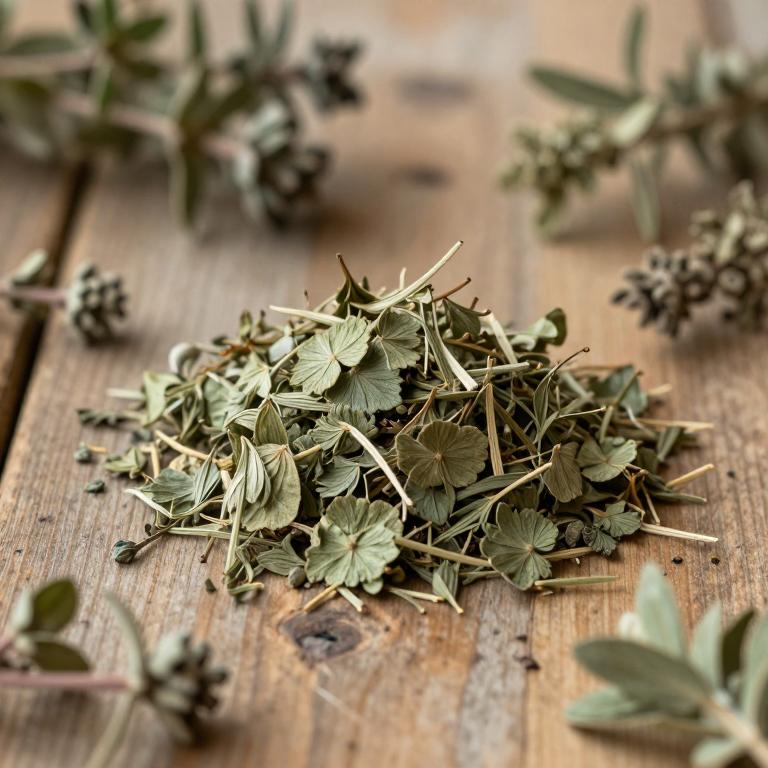
, scientifically known as Tanacetum dumosum, is a resilient perennial shrub native to the Mediterranean region. Renowned for its aromatic foliage and delicate yellow blooms, this plant holds significant ethnobotanical value. It is widely utilized in traditional medicine for its potent antimicrobial, anti-inflammatory, and antioxidant therapeutic properties.
- Family
- Asteraceae
- Native range
- Asia-Temperate
- Parts used
- Not available
- Common names
- Not available
- Scientific synonyms
- Pyrethrum Dumosum
Names and Synonyms
Scientific Names
Accepted name
Tanacetum dumosumSynonyms
- Pyrethrum dumosum
Sources: Wikidata
Taxonomical Classification
This plant belongs to the kingdom Plantae and is classified under the phylum Streptophyta within the class Equisetopsida. It is further organized into the subclass Magnoliidae and the order Asterales, placing it in the family Asteraceae. Finally, it is identified by the genus Tanacetum.
| Rank | Classification |
|---|---|
| Kingdom | Plantae |
| Phylum | Streptophyta |
| Class | Equisetopsida |
| Subclass | Magnoliidae |
| Order | Asterales |
| Family | Asteraceae |
| Genus | Tanacetum |
Sources: The World Checklist of Vascular Plants (WCVP)
Distribution
This plant possesses a very specific and limited geographical range within the natural world. Its presence is primarily documented within the region of Western Asia. Specifically, the species is native to the mountainous landscapes of Iran. Because of this narrow distribution, it is considered an endemic element of that particular territory. Consequently, understanding its habitat requires focusing on the unique environmental conditions found in Iran.
| Region | Area |
|---|---|
| Western Asia | Iran |
Sources: The World Checklist of Vascular Plants (WCVP)
Chemicals
Tanacetum dumosum has 12 reported phytochemicals identified across 0 scientific publications and several other databases. The most consistently reported chemicals include 1,8-Cineol, 1,8-Cineole, BORNYL ACETATE, Borneol, CAMPHENE.
| Chemical | Supporting sources | Consensus |
|---|---|---|
| 1,8-Cineol | 1 supporting sources | ★☆☆☆☆ |
| 1,8-Cineole | 1 supporting sources | ★☆☆☆☆ |
| BORNYL ACETATE | 1 supporting sources | ★☆☆☆☆ |
| Borneol | 1 supporting sources | ★☆☆☆☆ |
| CAMPHENE | 1 supporting sources | ★☆☆☆☆ |
| Caryophyllene oxide | 1 supporting sources | ★☆☆☆☆ |
| Isobornyl propanoate | 1 supporting sources | ★☆☆☆☆ |
| Linalool | 1 supporting sources | ★☆☆☆☆ |
| TERPINENE-4-OL | 1 supporting sources | ★☆☆☆☆ |
| THYMOL | 1 supporting sources | ★☆☆☆☆ |
1,8-Cineol
- Natural product research
1,8-Cineole
- Natural product research
BORNYL ACETATE
- Natural product research
Borneol
- Natural product research
CAMPHENE
- Natural product research
Caryophyllene oxide
- Natural product research
Isobornyl propanoate
- Natural product research
Linalool
- Natural product research
TERPINENE-4-OL
- Natural product research
THYMOL
- Natural product research
Activities
Tanacetum dumosum has 1 reported activities identified across 0 scientific publications and several other databases. The most consistently reported activities include Antibacterial.
| Activity | Supporting sources | Consensus |
|---|---|---|
| Antibacterial | 1 supporting sources | ★☆☆☆☆ |
Antibacterial
- Bulletin of emergency and trauma
Conditions
Tanacetum dumosum has 1 reported investigations on conditions identified across 0 scientific publications and several other databases. The most consistently reported conditions include Acinetobacter baumannii.
| Condition | Supporting sources | Consensus |
|---|---|---|
| Acinetobacter baumannii | 1 supporting sources | ★☆☆☆☆ |
Acinetobacter baumannii
- Bulletin of emergency and trauma