Tamarix
Tamarix · Accepted scientific name
Scientific literature: Very Sparse (0 studies) · ★☆☆☆☆
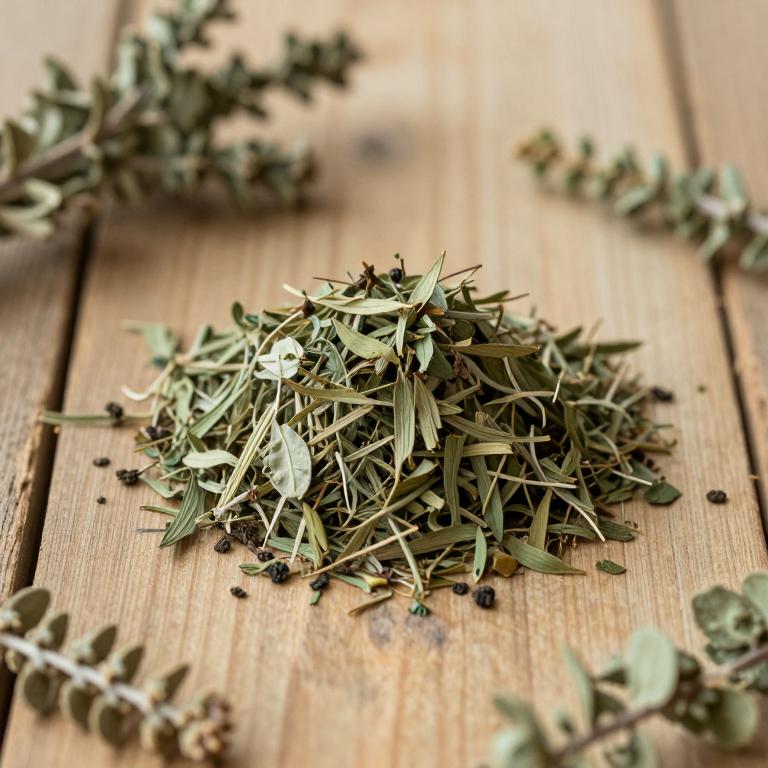
Tamarix is a resilient shrub or small tree known for its ability to thrive in harsh, saline environments. One of its most distinctive features is its fine, scale-like leaf structure that mimics the appearance of delicate needles. These tiny leaves are highly specialized, allowing the plant to conserve moisture in arid climates. By shedding salt through its foliage, the plant can manage high salinity levels that would kill most other vegetation. This unique adaptation makes the Tamarix a dominant and hardy presence in many desert ecosystems.
- Synonyms
- Tamariscus · Trichaurus
- Common names
- Not available
- Family
- Tamaricaceae
- Distribution
- Not available
- Plant Parts
- Leaf
Classification
Common Names
Tamarix is a versatile plant known by a variety of descriptive names across different cultures and languages. It is widely recognized by its common English name, Saltcedars, as well as the botanical moniker Tamaris. In certain regions, it is referred to as Pinos salados, reflecting its unique environmental characteristics. The plant also holds specific cultural significance, being called Eglūnas and K'eiłichii'its'óóz in other traditions. These diverse names highlight the plant's widespread presence and its importance to the various communities that encounter it.
Sources: Catalogue of Life (COL)
Synonyms
Tamarix is a genus of shrubs and trees that is frequently referred to by different scientific names in botanical literature. One common synonym used to identify this plant is Tamariscus, which often appears in older taxonomic records. Additionally, the genus has been categorized under the synonym Trichaurus in certain historical contexts. Understanding these various nomenclatures is essential for researchers tracking the plant's evolutionary history. Recognizing these relationships ensures accuracy when studying the diverse classification of the species.
Sources: The World Checklist of Vascular Plants (WCVP)
Taxonomy
Tamarix is a fascinating specimen belonging to the vast kingdom Plantae. Within this diverse biological realm, it is specifically classified under the class Equisetopsida. This plant further falls into the order Caryophyllales, showcasing its unique evolutionary lineage. It is a distinguished member of the family Tamaricaceae, which highlights its botanical connections. Ultimately, the plant is defined by its own specific genus, known as Tamarix.
| Rank | Classification |
|---|---|
| Kingdom | Plantae |
| Phylum | Streptophyta |
| Class | Equisetopsida |
| Subclass | Magnoliidae |
| Order | Caryophyllales |
| Family | Tamaricaceae |
| Genus | Tamarix |
Sources: The World Checklist of Vascular Plants (WCVP)
Distribution
Geographic Regions
Tamarix exhibits a broad and diverse distribution across several key regions within the African continent. In East Tropical Africa, this plant can be found growing throughout the landscapes of Kenya and Tanzania. Its reach also extends to the Atlantic islands of Macaronesia, showcasing remarkable adaptability to maritime environments. Specifically, populations are established within the Azores and the Canary Islands. Furthermore, the species maintains a presence in the Cape Verde archipelago, rounding out its significant geographic range.
Sources: The World Checklist of Vascular Plants (WCVP)
Identification
Biological Activities
Compounds
Conditions
Preparations
Parts used
Tamarix gallica is a halophytic medicinal shrub that has long been utilized in traditional treatments for liver disorders. Among its various botanical components, the leaf serves as a critical organ for extracting beneficial bioactive compounds. Scientific investigations into the plant's chemistry reveal that leaf infusions are widely employed in anti-diarrheic and anti-inflammatory preparations. Notably, studies indicate that Tamarix leaves exhibit particularly potent antioxidant activity when processed through specific solvent extractions. This high concentration of phenolic compounds positions the leaf as a valuable natural source for developing future antioxidant and anti-inflammatory drugs.