Tagetes terniflora
Tagetes terniflora · Accepted scientific name
Scientific literature: Very Sparse (0 studies) · ★☆☆☆☆
Tagetes terniflora is a versatile plant species widely recognized for its diverse biological activities and potential therapeutic applications. To harness its beneficial compounds, the plant undergoes a systematic preparation process beginning with thorough drying. Following this, the material is subjected to extraction using both conventional methodologies and advanced supercritical fluid methodology to ensure high efficiency. The resulting solutions then undergo a precise filtration stage to isolate the pure extracts. This comprehensive approach allows for a detailed characterization of the phytochemical profile present within the species.
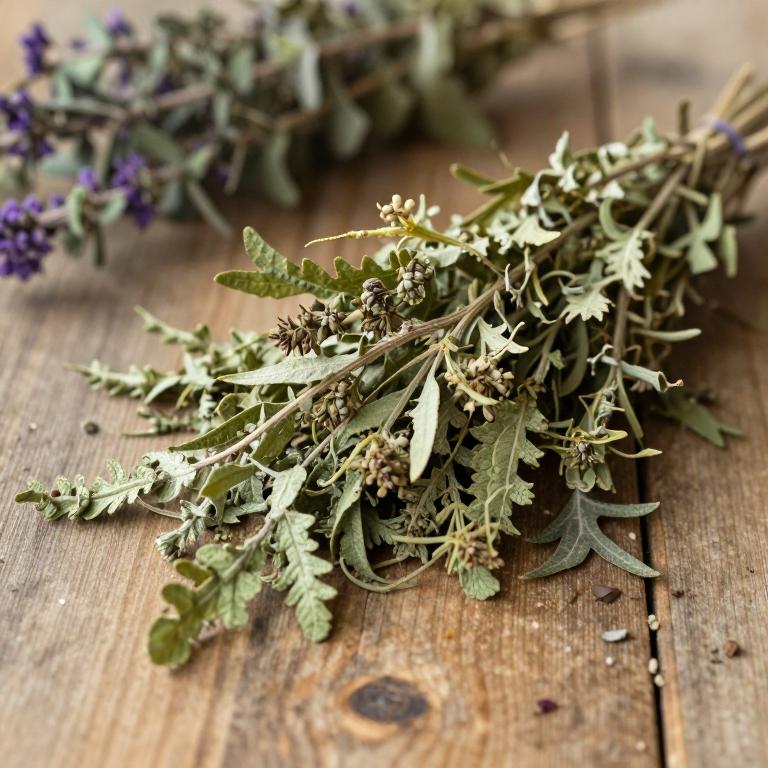
- Synonyms
- Tagetes Cabrerae · Tagetes Gigantea · 1 more
- Common names
- Not available
- Family
- Asteraceae
- Distribution
- Southern America
- Plant Parts
- Not available
Classification
Common Names
Tagetes terniflora is a resilient plant widely recognized by its common name, suico. This species belongs to the marigold family and is celebrated for its vibrant, sun-loving blooms. It often grows in diverse environments, providing a splash of color to both wild landscapes and cultivated gardens. Because of its hardy nature, many gardeners value suico for its ability to thrive with minimal intervention. Understanding its unique characteristics helps enthusiasts appreciate the simple beauty this plant brings to the natural world.
Sources: Catalogue of Life (COL)
Synonyms
Tagetes terniflora is a versatile species that is known by several different botanical names within scientific literature. Due to various taxonomic classifications, it is frequently referred to by the synonym Tagetes cabrerae. Researchers also recognize the plant under the name Tagetes gigantea depending on the specific context of the study. Furthermore, the name Tagetes graveolens has been used as a synonym to describe this particular plant in past records. Understanding these overlapping identities is essential for anyone studying the diverse nomenclature of this genus.
Sources: The World Checklist of Vascular Plants (WCVP)
Taxonomy
Tagetes terniflora is a unique botanical specimen belonging to the kingdom Plantae. Within this vast kingdom, it is classified under the class Equisetopsida. This plant further resides in the order Asterales, showcasing its specific evolutionary lineage. It is a distinguished member of the genus Tagetes, which helps define its primary characteristics. Finally, its placement within the family Asteraceae connects it to a diverse group of flowering plants.
| Rank | Classification |
|---|---|
| Kingdom | Plantae |
| Phylum | Streptophyta |
| Class | Equisetopsida |
| Subclass | Magnoliidae |
| Order | Asterales |
| Family | Asteraceae |
| Genus | Tagetes |
Sources: The World Checklist of Vascular Plants (WCVP)
Distribution
Geographic Regions
Tagetes terniflora boasts an extensive natural range that stretches across much of the Americas. In the north, the species is widely distributed throughout North America and much of Mexico, including the southeastern regions. Moving southward, its presence extends into Northern South America, specifically spanning through Venezuela and Colombia. The plant also finds a home in Western South America within the landscapes of Bolivia. Finally, its reach continues into the southern reaches of the continent, specifically covering the northwestern areas of Argentina.
Sources: The World Checklist of Vascular Plants (WCVP)
Identification
Morphology
Tagetes terniflora is characterized by its herbaceous growth form. This plant is naturally self-supporting, allowing it to maintain its structure without external aid.
Sources: Global Inventory of Floras and Traits (GIFT)
Biological Activities
Compounds
Conditions
Preparations
Tagetes terniflora is prepared as drying to facilitate its study for functional food applications. The plant is also processed through maceration and filtration as part of the experimental design. To isolate bioactive compounds, it is prepared as extraction by conventional methodology. Additionally, the species is prepared as extraction by supercritical fluid methodology to evaluate its antioxidant and antimicrobial potential. These various preparation methods allow for a comprehensive analysis of the plant's phenolic content and toxicity.