Tagetes pauciloba
Tagetes pauciloba · Accepted scientific name
Scientific literature: Very Sparse (7 studies) · ★☆☆☆☆
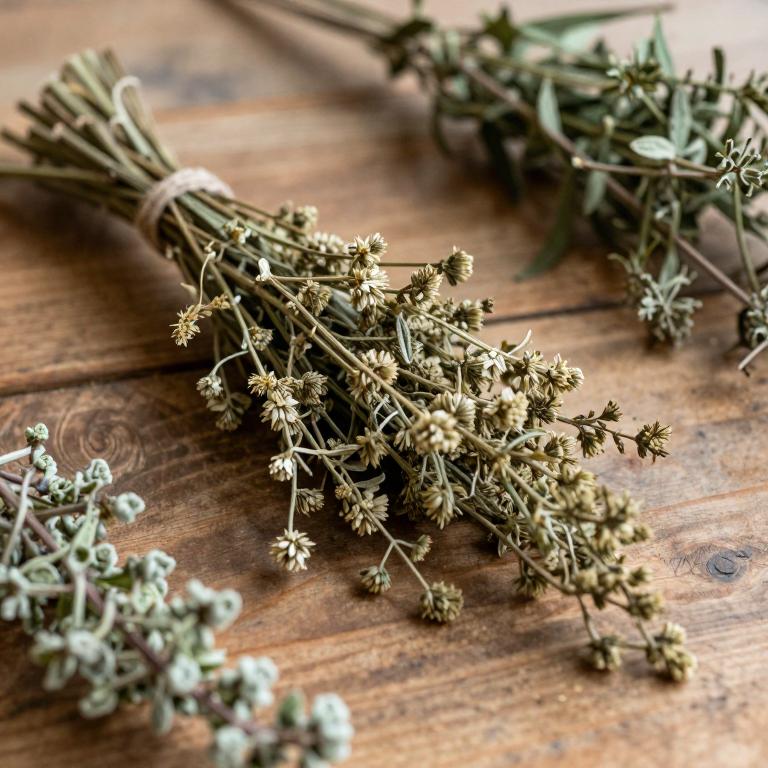
Tagetes pauciloba, scientifically known as Tagetes pauciloba, is a distinctive medicinal plant belonging to the Asteraceae family. Renowned for its vibrant blooms and aromatic properties, it is traditionally utilized in various herbal remedies. This species offers significant ethnobotanical value, particularly for its potential bioactive compounds and therapeutic applications.
- Family
- Asteraceae
- Native range
- Southern America
- Parts used
- Not available
- Common names
- Not available
- Scientific synonyms
- Tagetes Mendocina
Names and Synonyms
Scientific Names
Accepted name
Tagetes paucilobaSynonyms
- Tagetes mendocina
Sources: Wikidata
Taxonomical Classification
This plant belongs to the kingdom Plantae and is classified under the phylum Streptophyta and class Equisetopsida. Within the subclass Magnoliidae, it is ordered under Asterales and placed in the family Asteraceae. Finally, it is categorized under the genus Tagetes, specifically identified as the species Tagetes pauciloba.
| Rank | Classification |
|---|---|
| Kingdom | Plantae |
| Phylum | Streptophyta |
| Class | Equisetopsida |
| Subclass | Magnoliidae |
| Order | Asterales |
| Family | Asteraceae |
| Genus | Tagetes |
Sources: The World Checklist of Vascular Plants (WCVP)
Distribution
This plant is geographically restricted to a specific region within the Southern South American continent. Its natural habitat is primarily concentrated in the northwestern parts of Argentina. Within this particular territory, the species thrives in localized environmental conditions. This limited range suggests that its distribution is quite specialized to the northwestern Argentine landscape. Consequently, understanding its presence in this specific area is essential for its conservation.
| Region | Area |
|---|---|
| Southern South America | Argentina Northwest |
Sources: The World Checklist of Vascular Plants (WCVP)
Chemicals
Tagetes pauciloba has 5 reported phytochemicals identified across 0 scientific publications and several other databases. The most consistently reported chemicals include 4'-Hydroxyacetophenone, Patuletin, Quercetagetin-7-O-beta-D-glucoside, SYRINGIC ACID, protocatechuic acid.
| Chemical | Supporting sources | Consensus |
|---|---|---|
| 4'-Hydroxyacetophenone | 1 supporting sources | ★☆☆☆☆ |
| Patuletin | 1 supporting sources | ★☆☆☆☆ |
| Quercetagetin-7-O-beta-D-glucoside | 1 supporting sources | ★☆☆☆☆ |
| SYRINGIC ACID | 1 supporting sources | ★☆☆☆☆ |
| protocatechuic acid | 1 supporting sources | ★☆☆☆☆ |
4'-Hydroxyacetophenone
- Zeitschrift fur Naturforschung. C, Journal of biosciences
Patuletin
- Zeitschrift fur Naturforschung. C, Journal of biosciences
Quercetagetin-7-O-beta-D-glucoside
- Zeitschrift fur Naturforschung. C, Journal of biosciences
SYRINGIC ACID
- Zeitschrift fur Naturforschung. C, Journal of biosciences
protocatechuic acid
- Zeitschrift fur Naturforschung. C, Journal of biosciences
Preparations
Tagetes pauciloba has 3 reported preparations identified across 0 scientific publications and several other databases. The most consistently reported preparations include crude drug, essential oils, methanol extract of the aerial parts.
| Preparation | Supporting sources | Consensus |
|---|---|---|
| Crude drug | 1 supporting sources | ★☆☆☆☆ |
| Essential oils | 1 supporting sources | ★☆☆☆☆ |
| Methanol extract of the aerial parts | 1 supporting sources | ★☆☆☆☆ |
Crude drug
- Zeitschrift fur Naturforschung. C, Journal of biosciences
Essential oils
- Chemistry & biodiversity
Methanol extract of the aerial parts
- Zeitschrift fur Naturforschung. C, Journal of biosciences