Tabernanthe
Tabernanthe · Accepted scientific name
Scientific literature: Very Sparse (1 studies) · ★☆☆☆☆
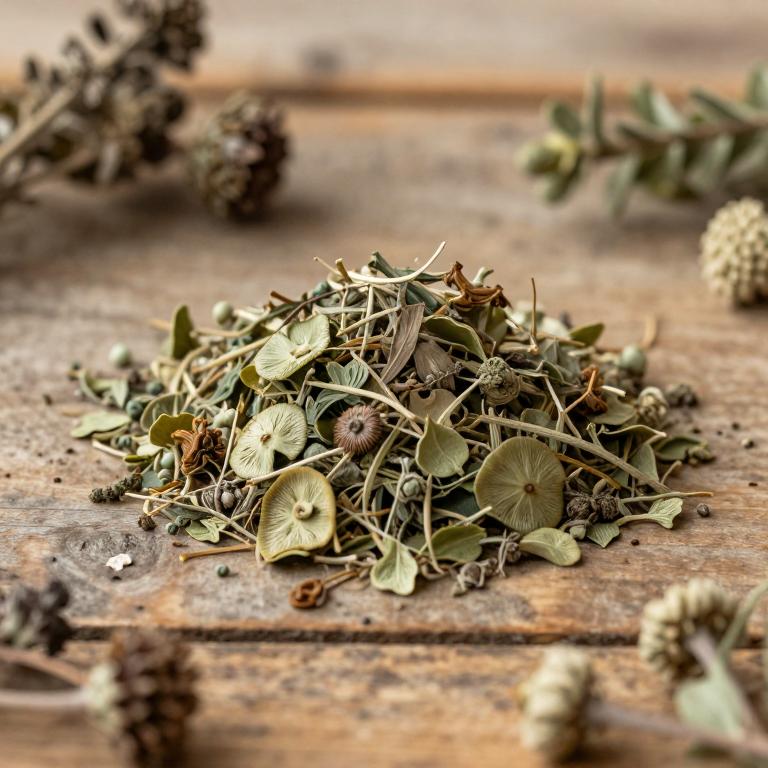
Tabernanthe is a genus of plants known for containing various bioactive compounds. Certain species within this group are utilized primarily for their potent stimulant properties. Depending on the specific variety, both the leaf and the root can be harvested for use. These plant parts are often processed to extract the active ingredients necessary for their effects. Understanding the traditional uses of these components provides insight into the plant's biological significance.
- Synonyms
- Daturicarpa · Iboga
- Common names
- Not available
- Family
- Apocynaceae
- Distribution
- Southern America
- Plant Parts
- Leaf · Root
Classification
Common Names
Tabernanthe is a genus of plants that is recognized by several different common names depending on the region and language. It is frequently referred to as ibogapensaat in certain botanical contexts. Many people simply use the name tabernanta to identify this group of species. In Chinese-speaking areas, the plant is known by the traditional names 夜灵木属 or 夜靈木屬. Understanding these various linguistic labels helps enthusiasts navigate the diverse ways this genus is cataloged globally.
Sources: Catalogue of Life (COL)
Synonyms
Tabernanthe is a genus of plants that is frequently recognized by several different botanical names. Within scientific literature, the name Daturicarpa is often cited as a formal synonym for this group. Additionally, the well-known term Iboga is used as a synonym, reflecting the plant's significant cultural and medicinal history. These overlapping classifications can sometimes cause confusion for those studying plant taxonomy. Understanding these linguistic relationships is essential for accurately identifying the various species within the genus.
Sources: The World Checklist of Vascular Plants (WCVP)
Taxonomy
Tabernanthe is a distinctive plant belonging to the kingdom Plantae. Within this vast biological kingdom, it is classified under the class Equisetopsida. The plant is further organized into the order Gentianales, showcasing its evolutionary lineage. It specifically falls under the family Apocynaceae, a group known for diverse botanical characteristics. Finally, the organism is identified by its unique genus, Tabernanthe.
| Rank | Classification |
|---|---|
| Kingdom | Plantae |
| Phylum | Streptophyta |
| Class | Equisetopsida |
| Subclass | Magnoliidae |
| Order | Gentianales |
| Family | Apocynaceae |
| Genus | Tabernanthe |
Sources: The World Checklist of Vascular Plants (WCVP)
Distribution
Geographic Regions
Tabernanthe is a plant species primarily concentrated throughout the diverse landscapes of the African continent. Its distribution spans across South Tropical Africa, including specific regions such as Angola. The genus also holds a significant presence within West-Central Tropical Africa, flourishing in areas like Cabinda and Cameroon. Furthermore, its reach extends into the Central African Republic and the Congo. This widespread geographic range highlights the plant's adaptability to various tropical environments across the region.
Sources: The World Checklist of Vascular Plants (WCVP)
Identification
Biological Activities
Tabernanthe iboga is a plant native to the West African Congo basin that has been utilized for centuries by local tribes. Within these traditional practices, the plant is frequently used as a potent stimulant and for various medicinal purposes during important rite of passage ceremonies. The primary active component, the alkaloid ibogaine, is derived from the bark of the plant's root and possesses complex psychotropic effects. Modern scientific research has explored how this substance influences energy metabolism and antioxidant enzyme activity in human cells. Ultimately, these studies suggest that the plant's components may act as adaptagens that help the body manage oxidative stress.
Compounds
Conditions
Preparations
Parts used
Tabernanthe species serve as vital sources of medicinal iboga alkaloids, which are traditionally harvested from various parts of the plant. Specifically, these valuable compounds are commonly isolated from the leaves and roots of the tree. Because harvesting these aerial or underground parts can be destructive to the plant's viability, researchers are looking for more sustainable alternatives. Recent studies suggest that extracting these metabolites from seeds could provide a renewable resource without harming the plant. By understanding the spatial distribution of molecules within the tissue, scientists hope to optimize this more environmentally friendly extraction process.