Syzygium
Syzygium · Accepted scientific name
Scientific literature: Very Sparse (9 studies) · ★☆☆☆☆
Syzygium is a diverse genus of plants that offers significant therapeutic potential through its various biological activities. Extracts derived from the flowers, leaves, and stems exhibit powerful antioxidant, antibacterial, and anticancer properties. Furthermore, the plant demonstrates anticholinesterase activity, which is particularly relevant in addressing neuroinflammation. These natural components serve as vital tools in managing complex conditions such as inflammation, oxidative stress, and insulin resistance. Many of these medicinal benefits are concentrated within the plant's essential oils, making them a focal point for pharmacological research.
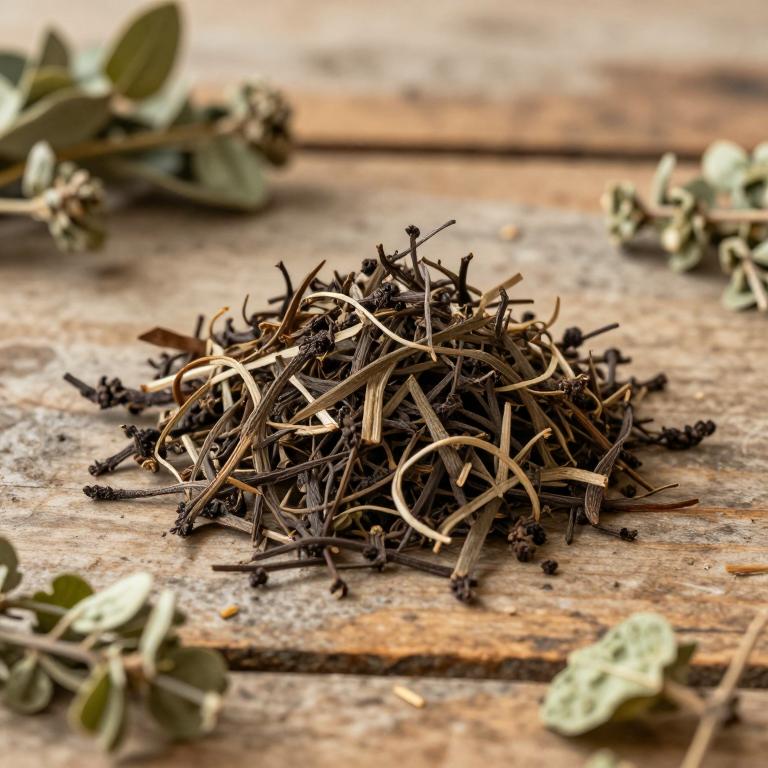
- Synonyms
- Cleistocalyx · Acmena · 27 more
- Common names
- Not available
- Family
- Myrtaceae
- Distribution
- Southern America
- Plant Parts
- Flower · Leaf
Classification
Common Names
Syzygium is a versatile genus known by a diverse array of regional and descriptive names across the globe. In certain areas, it is affectionately called Bois de pomme, while others refer to it as Cerezo. It also carries the distinct moniker Chiodi di garofano in specific linguistic contexts. Furthermore, the plant is identified as Czapetka in some cultures. Finally, it is often recognized by the names Eugenias y Manzanas de Agua, highlighting its varied botanical identity.
Sources: Catalogue of Life (COL)
Synonyms
Syzygium is a diverse genus that encompasses a wide variety of botanical classifications. Due to taxonomic revisions, many plants previously known by other names are now recognized as part of this group. This includes species formerly categorized under the synonyms Acicalyptus and Acmena. Furthermore, the genus incorporates taxa once referred to as Acmenosperma and Anetholea. Even the group known as Aphanomyrtus is now considered a synonym within the expansive Syzygium lineage.
Sources: The World Checklist of Vascular Plants (WCVP)
Taxonomy
Syzygium is a diverse group of plants belonging to the kingdom Plantae. Within this vast kingdom, the genus Syzygium is classified under the class Equisetopsida. This specific group is further organized into the order Myrtales, which highlights its evolutionary connections. Most notably, these plants are recognized as members of the family Myrtaceae. Understanding this hierarchical structure provides essential insight into the biological identity of the Syzygium genus.
| Rank | Classification |
|---|---|
| Kingdom | Plantae |
| Phylum | Streptophyta |
| Class | Equisetopsida |
| Subclass | Magnoliidae |
| Order | Myrtales |
| Family | Myrtaceae |
| Genus | Syzygium |
Sources: The World Checklist of Vascular Plants (WCVP)
Distribution
Geographic Regions
Syzygium exhibits a diverse geographic presence that stretches across several distinct regions of the African continent. Within East Tropical Africa, the genus can be found growing throughout the landscapes of Kenya, Tanzania, and Uganda. Its reach extends beyond the mainland to include the unique environments of the Macaronesia islands. Specifically, these plants are established within the Canary Islands and the lush terrain of Madeira. This wide distribution highlights the remarkable adaptability of the genus across varied tropical and oceanic habitats.
Sources: The World Checklist of Vascular Plants (WCVP)
Identification
Biological Activities
Syzygium species are recognized for their significant medicinal importance and diverse pharmacological properties. Research indicates that these plants possess potent antioxidant capabilities, which are essential for combating oxidative stress. They also demonstrate strong antimicrobial activities, specifically through their antibacterial and antifungal effects. Furthermore, the genus exhibits promising anticancer potential against various types of cancer cells. Finally, the anticholinesterase activity found in these species offers valuable neuroprotective prospects for treating cognitive disorders like Alzheimer's disease.
Compounds
Syzygium aromaticum, commonly known as clove, is highly regarded for its significant biological activity. The essential oil derived from this plant is characterized by a specific chemical composition dominated by key compounds. Specifically, Syzygium contains eugenol, which constitutes a substantial 82.4% of the oil. Additionally, Syzygium contains (E)-caryophyllene, making up approximately 14.0% of its total makeup. Together, these primary components contribute to the plant's potent antimicrobial and antibiofilm properties.
Conditions
Syzygium plants demonstrate significant therapeutic potential in treating Alzheimer's disease by acting as multi-target neuroprotective agents. These plants effectively treat cholinergic toxicity through the inhibition of acetylcholinesterase to correct neurotransmission. Their medicinal properties also allow them to treat diabetes by modulating insulin signaling pathways and glucose uptake. Furthermore, Syzygium is utilized to treat inflammation by suppressing pro-inflammatory mediators and neuroinflammation. Research also indicates that members of the Myrtaceae family, including Syzygium, contain bioactive compounds that can treat Ca (2+)-calmodulin-dependent myosin light chain kinase (MLCK) through protein kinase inhibition.
Preparations
Syzygium species are frequently prepared as essential oils due to their significant chemical diversity and biological importance. For instance, the essential oil of Syzygium aromaticum, commonly known as clove oil, is highly valued for its strong antimicrobial and antibiofilm properties. Research involving Brazilian Syzygium species highlights that these plants are processed into various essential oils to exploit their medicinal potential. These extracted oils contain diverse volatile compounds, such as sesquiterpene hydrocarbons, which contribute to their wide range of pharmacological activities. Ultimately, the preparation of Syzygium as essential oils provides a potent natural source for developing new herbal medicines and food preservatives.
Parts used
Syzygium is a prominent genus within the Myrtaceae family, which is known for containing diverse bioactive compounds. Much like other representative members of this family, the various parts of Syzygium serve as significant sources of botanical extracts. Specifically, the plant possesses distinct leaves that can be utilized for medicinal research. Additionally, the flowers of the genus provide unique chemical profiles for study. Finally, the stem also contributes to the overall complex structure and biological potential of the plant.