Syzygium pratense
Syzygium pratense · Accepted scientific name
Scientific literature: Very Sparse (6 studies) · ★☆☆☆☆
, scientifically known as Syzygium pratense, is a remarkable medicinal plant valued for its diverse therapeutic properties. Often found in tropical regions, this species is rich in bioactive compounds known for their antioxidant and anti-inflammatory effects. It plays a significant role in traditional medicine for treating various ailments naturally.
- Family
- Myrtaceae
- Native range
- Africa
- Parts used
- Not available
- Common names
- Not available
- Scientific synonyms
- Syzygium Guineense Subsp. Macrocarpum · Syzygium Guineense Var. Macrocarpum
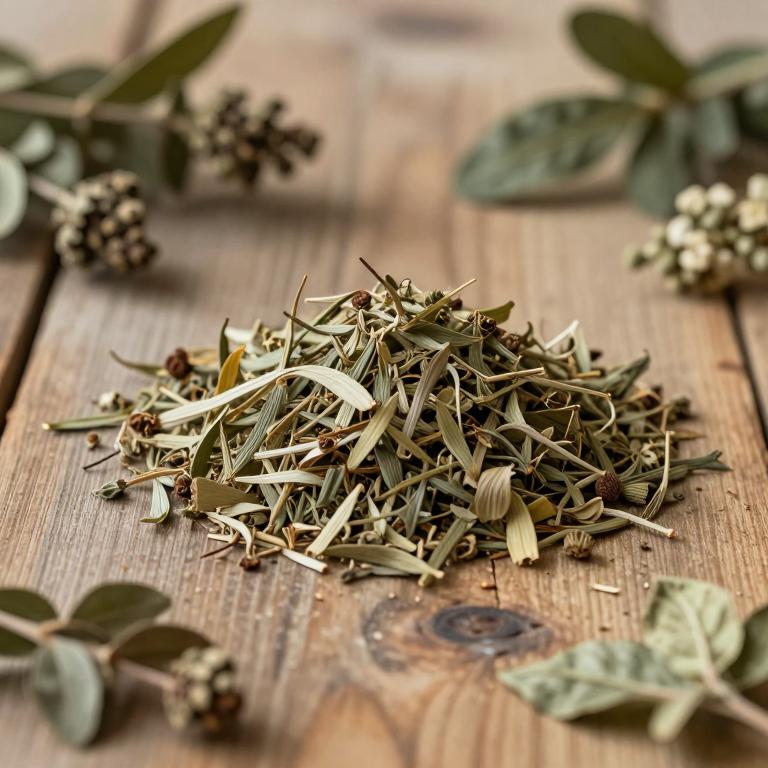
Names and Synonyms
Scientific Names
Accepted name
Syzygium pratenseSynonyms
- Syzygium guineense subsp. macrocarpum
- Syzygium guineense var. macrocarpum
Sources: Wikidata
Taxonomical Classification
This plant belongs to the kingdom Plantae and is classified under the phylum Streptophyta and class Equisetopsida. Within the subclass Magnoliidae, it is ordered as Myrtales and falls under the family Myrtecaceae. Finally, it is identified by the genus Syzygium.
| Rank | Classification |
|---|---|
| Kingdom | Plantae |
| Phylum | Streptophyta |
| Class | Equisetopsida |
| Subclass | Magnoliidae |
| Order | Myrtales |
| Family | Myrtaceae |
| Genus | Syzygium |
Sources: The World Checklist of Vascular Plants (WCVP)
Distribution
This plant exhibits a specific distribution across various regions of the African continent. In West Tropical Africa, its presence is documented in both Guinea and Senegal. Moving toward the central regions, it can be found within West-Central Tropical Africa. Specifically, the species is located in the Cabinda region and the Central African Republic. Finally, its range extends further into the Democratic Republic of the Congo.
| Region | Area |
|---|---|
| West Tropical Africa | Guinea |
| West Tropical Africa | Senegal |
| West-Central Tropical Africa | Cabinda |
| West-Central Tropical Africa | Central African Republic |
| West-Central Tropical Africa | DR Congo |
| Northeast Tropical Africa | Ethiopia |
| Northeast Tropical Africa | Sudan-South Sudan |
| South Tropical Africa | Angola |
Sources: The World Checklist of Vascular Plants (WCVP)
Botanical Identification
Ecology
The ecology of Syzygium pratense is characterized by its specialized occurrence within the woodland ecotone, a transitional zone where dense forest structures meet more open landscapes. In these edge habitats, the plant thrives by exploiting the unique environmental gradients created by the shifting boundary between shaded interior woodlands and sunlit peripheral areas. This specific positioning allows it to benefit from increased light availability and altered microclimates, which are essential for its developmental stages. The structural complexity of the woodland ecotone provides a diverse array of niche opportunities, influencing its distribution patterns and its interaction with surrounding flora and fauna within these dynamic biological interfaces.
- Habitat :
- woodland ecotone
Morphology
The morphology of Syzygium pratense is characterized by a diverse growth habit that allows it to function as both a tree and a shrub. It exhibits a woody structure, providing the necessary rigidity for its development. Depending on its environmental context and support availability, the plant can manifest as a self-supporting climber, acting as a liana or vine, or as a self-supporting form through facultative or obligatory mechanisms. In terms of stature, the plant is capable of reaching a maximum height of approximately 9.14 meters.
- Climber :
- self-supporting
- Growth form :
- tree
- Growth form :
- shrub
- Plant height max:
- 9.144111192 m
- Woodiness :
- woody
Sources: Global Inventory of Floras and Traits (GIFT)
Chemicals
Syzygium pratense has 4 reported phytochemicals identified across 0 scientific publications and several other databases. The most consistently reported chemicals include Flavonoids, SYRINGIC ACID, apigenin, flavonols.
| Chemical | Supporting sources | Consensus |
|---|---|---|
| Flavonoids | 1 supporting sources | ★☆☆☆☆ |
| SYRINGIC ACID | 1 supporting sources | ★☆☆☆☆ |
| apigenin | 1 supporting sources | ★☆☆☆☆ |
| flavonols | 1 supporting sources | ★☆☆☆☆ |
Flavonoids
- BMC complementary and alternative medicine
SYRINGIC ACID
- BMC complementary and alternative medicine
apigenin
- BMC complementary and alternative medicine
flavonols
- BMC complementary and alternative medicine
Activities
Syzygium pratense has 1 reported activities identified across 0 scientific publications and several other databases. The most consistently reported activities include Antioxidant.
| Activity | Supporting sources | Consensus |
|---|---|---|
| Antioxidant | 1 supporting sources | ★☆☆☆☆ |
Antioxidant
- BMC complementary and alternative medicine
Preparations
Syzygium pratense has 3 reported preparations identified across 0 scientific publications and several other databases. The most consistently reported preparations include aqueous, aqueous-ethanol, ethanol.
| Preparation | Supporting sources | Consensus |
|---|---|---|
| Aqueous | 1 supporting sources | ★☆☆☆☆ |
| Aqueous-ethanol | 1 supporting sources | ★☆☆☆☆ |
| Ethanol | 1 supporting sources | ★☆☆☆☆ |
Aqueous
- BMC complementary and alternative medicine
Aqueous-ethanol
- BMC complementary and alternative medicine
Ethanol
- BMC complementary and alternative medicine