Syzygium leucoxylon
Syzygium leucoxylon · Accepted scientific name
Scientific literature: Very Sparse (1 studies) · ★☆☆☆☆
, scientifically known as Syzygium leucoxylon, is a precious medicinal tree native to the tropical forests of India and Sri Lanka. Renowned for its versatile therapeutic properties, various parts of this plant are utilized in traditional medicine to treat inflammation, skin disorders, and digestive issues, offering significant pharmacological potential.
- Family
- Not available
- Native range
- Asia-Tropical
- Parts used
- Leaf
- Common names
- Not available
- Scientific synonyms
- Not available
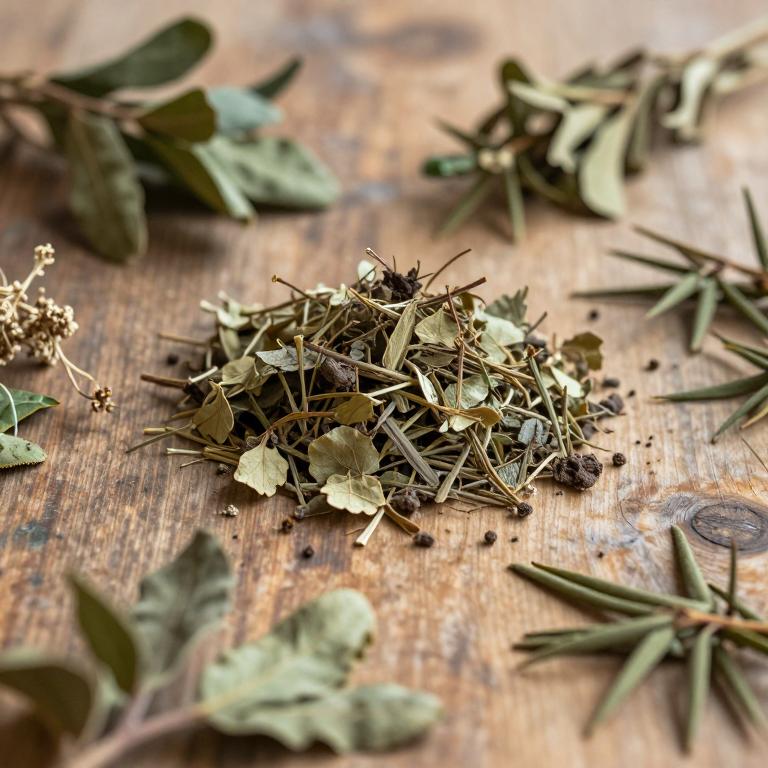
Names and Synonyms
Scientific Names
Accepted name
Syzygium leucoxylonDistribution
This plant, known scientifically as Syzygium leucoxylon, exhibits a specific distribution across the tropical regions of Southeast Asia. It is widely recognized as a member of the Malesia botanical zone. Within this region, the species can be found growing in the diverse habitats of Borneo. Additionally, its presence is well-documented throughout the landscapes of Malaya. The geographical range of this medicinal plant also extends to the various islands of the Philippines.
| Region | Area |
|---|---|
| Malesia | Borneo |
| Malesia | Malaya |
| Malesia | Philippines |
Sources: The World Checklist of Vascular Plants (WCVP)
Botanical Identification
Life history
The life history of Syzygium leucoxylon is characterized by its classification as a phanerophyte, a growth form where the perennating buds are located high above the ground on woody stems. Within this category, the species exhibits characteristics of both phanerophyte and nanophanerophyte life forms, indicating a perennial existence where the vital organs are protected by substantial woody structures that allow it to persist through varying seasonal conditions. As a woody perennial, its life cycle involves a long-term developmental strategy focused on building a robust structural framework, enabling it to maintain a significant height and canopy presence within its ecological niche.
- Life form :
- phanerophyte
Morphology
The morphology of Syzygium leucoxylon is characterized by a woody growth form, specifically categorized as a self-supporting tree. As a terrestrial species, it does not exhibit aquatic or semiaquatic tendencies, nor does it function as an epiphyte or a climber, such as a liana or vine; instead, it remains a completely independent organism without parasitic requirements. The plant is structured with significant woodiness and can reach a maximum height of approximately 15 meters.
- Aquatic :
- terrestrial
- Climber :
- self-supporting
- Epiphyte :
- terrestrial
- Growth form :
- tree
- Parasite :
- independent
- Plant height max:
- 15 m
- Woodiness :
- woody
Physiology
The physiology of Syzygium leucoxylon is characterized by its specific metabolic processes and adaptive mechanisms suited for tropical environments. Primarily, the plant utilizes the C3 photosynthetic pathway, a mechanism where the initial carbon fixation occurs through the enzyme Rubisco to form a three-carbon compound. This pathway dictates its carbon assimilation efficiency and water-use strategies, influencing how the plant manages gas exchange and transpiration under varying light intensities and humidity levels. Furthermore, its physiological framework supports robust vegetative growth and the biosynthesis of various secondary metabolites, which are integral to its biological functions and chemical profile.
- Photosynthetic pathway :
- C3
Sources: Global Inventory of Floras and Traits (GIFT)
Plant Parts
Syzygium leucoxylon has 1 reported plant parts identified across 1 scientific publications and several other databases that are studied for medicinal purposes. The most consistently reported plant part include leaf.
| Plant part | Supporting sources | Consensus |
|---|---|---|
| Leaf | 1 supporting sources | ★☆☆☆☆ |
Leaf
- Journal of Asian natural products research