Syzygium formosanum
Syzygium formosanum · Accepted scientific name
Scientific literature: Very Sparse (1 studies) · ★☆☆☆☆
, scientifically known as Syzygium formosanum, is a versatile medicinal plant native to East Asia. Renowned for its potent bioactive compounds, it is traditionally used to treat various ailments, including skin inflammations and digestive issues. This species offers significant pharmacological potential for developing modern natural therapeutic treatments and wellness remedies.
- Family
- Not available
- Native range
- Asia-Temperate
- Parts used
- Leaf
- Common names
- Not available
- Scientific synonyms
- Not available
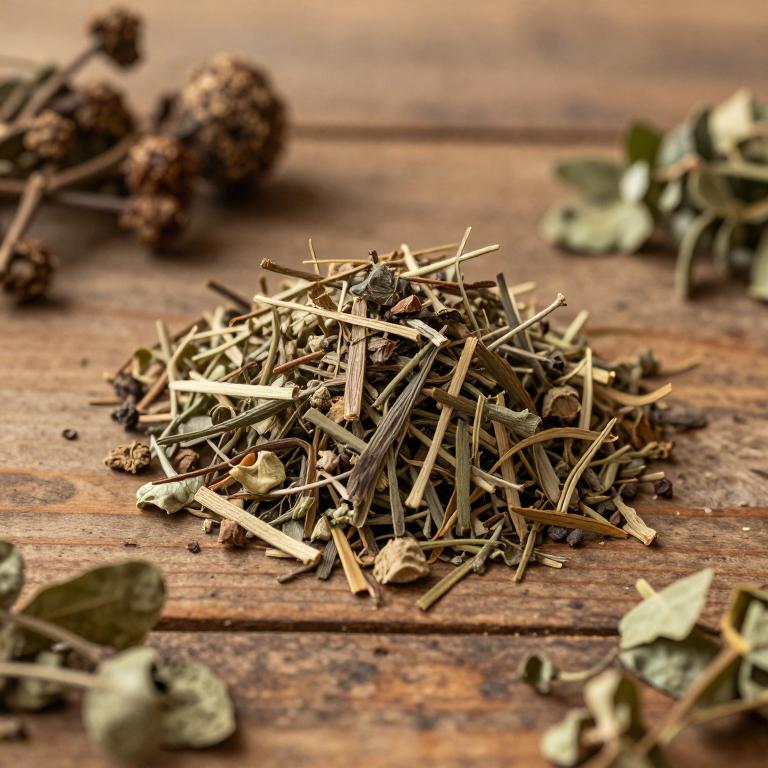
Names and Synonyms
Scientific Names
Accepted name
Syzygium formosanumDistribution
This plant is primarily found within the specific region of Eastern Asia. Its natural range is highly localized to the island of Taiwan. Within this territory, it thrives in unique ecological niches that support its growth. Because of this limited range, the species is considered endemic to the area. Therefore, its geographical distribution is defined by its presence only in Taiwanese habitats.
| Region | Area |
|---|---|
| Eastern Asia | Taiwan |
Sources: The World Checklist of Vascular Plants (WCVP)
Botanical Identification
Life history
The life history of Syzygium formosanum is characterized by its status as a perennial organism, ensuring its long-term presence within its ecological niche through multiple growing seasons. As a phanerophyte, it maintains its photosynthetic organs on elevated stems or branches well above the ground level, a structural strategy that allows it to thrive in various forest strata. This phanerophyte life form, consistent across its developmental stages, supports its robust growth habit and ability to persist through varying environmental conditions over many years.
- Life form :
- phanerophyte
- Lifecycle :
- perennial
Morphology
The morphology of Syzygium formosanum is characterized by a woody growth form, primarily manifesting as a shrub. Although it exhibits characteristics of a self-supporting climber, functioning as a liana or vine, it maintains a self-supporting structural habit rather than being an obligatory climber. The plant is an independent organism, lacking any parasitic tendencies, and maintains a strictly terrestrial lifestyle rather than acting as an epiphyte. Its structural integrity is defined by its woody nature, which supports its development as a robust, non-herbaceous species.
- Climber :
- self-supporting
- Epiphyte :
- terrestrial
- Growth form :
- shrub
- Parasite :
- independent
- Woodiness :
- woody
Physiology
The physiology of Syzygium formosanum is characterized by a C3 photosynthetic pathway, which dictates its carbon fixation processes and metabolic efficiency in its native environment. The morphological characteristics of its foliage are closely linked to its physiological capacity for light interception and gas exchange, featuring leaves with a mean length of 6 cm. These leaves exhibit specific dimensional variations, with a width ranging from a minimum of 2 cm to a maximum of 2.7 cm, providing a surface area optimized for its specific metabolic requirements.
- Leaf length mean:
- 6 cm
- Leaf width max:
- 2.7 cm
- Leaf width min:
- 2 cm
- Photosynthetic pathway :
- C3
Sources: Global Inventory of Floras and Traits (GIFT)
Plant Parts
Syzygium formosanum has 1 reported plant parts identified across 1 scientific publications and several other databases that are studied for medicinal purposes. The most consistently reported plant part include leaf.
| Plant part | Supporting sources | Consensus |
|---|---|---|
| Leaf | 1 supporting sources | ★☆☆☆☆ |
Leaf
- Fitoterapia
Preparations
Syzygium formosanum has 1 reported preparations identified across 1 scientific publications and several other databases. The most consistently reported preparations include ethanol extracts of leaves.
| Preparation | Supporting sources | Consensus |
|---|---|---|
| Ethanol extracts of leaves | 1 supporting sources | ★☆☆☆☆ |
Ethanol extracts of leaves
- Fitoterapia