Syzygium caryophyllatum
Syzygium caryophyllatum · Accepted scientific name
Scientific literature: Very Sparse (2 studies) · ★☆☆☆☆
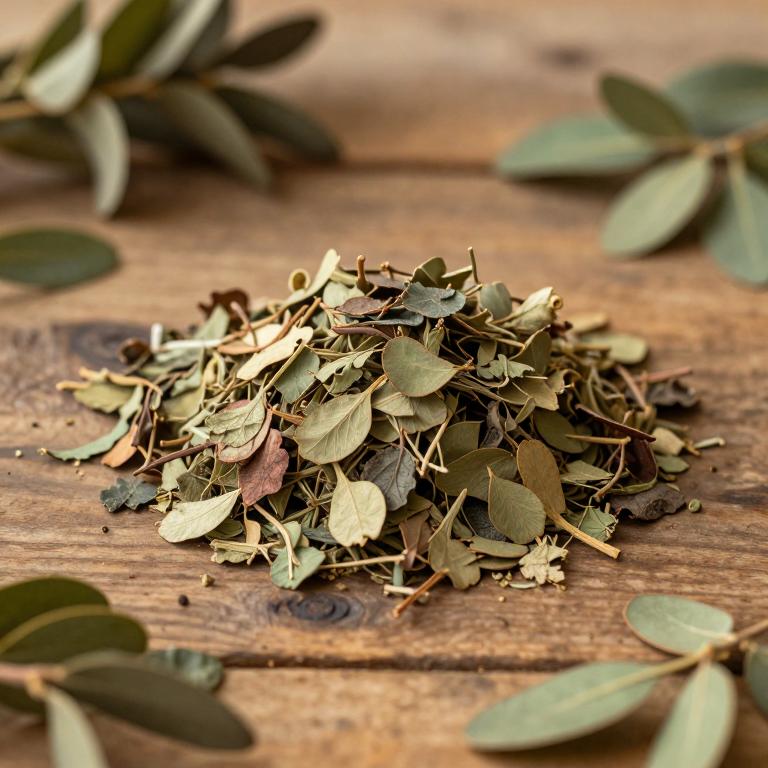
, scientifically known as Syzygium cariophyllatum, is a versatile medicinal plant renowned for its potent therapeutic properties. Widely utilized in traditional medicine, its leaves and bark offer significant antioxidant, antimicrobial, and anti-inflammatory benefits. This botanical treasure serves as a vital resource for managing various ailments and enhancing overall wellness.
- Family
- Not available
- Native range
- Asia-Tropical
- Parts used
- Stem
- Common names
- Not available
- Scientific synonyms
- Not available
Names and Synonyms
Scientific Names
Accepted name
Syzygium caryophyllatumSources: Wikidata
Distribution
This plant, known scientifically as Syzygium cariophyllatum, possesses a specific geographical range within the Asian continent. Its natural habitat is primarily concentrated within the Indian Subcontinent. Specifically, it can be found growing in the diverse landscapes of India. Additionally, the species extends its distribution to the island nation of Sri Lanka. These two regions represent the core areas where this medicinal plant is documented to occur.
| Region | Area |
|---|---|
| Indian Subcontinent | India |
| Indian Subcontinent | Sri Lanka |
Sources: The World Checklist of Vascular Plants (WCVP)
Botanical Identification
Life history
The life history of Syzygium caryophyllatum is characterized by a perennial lifecycle, allowing the plant to persist through multiple growing seasons. As a phanerophyte, it maintains its conducting organs well above the ground, typically manifesting as a woody plant with visible branching structures. Its growth habit is further categorized as a nanophanerophyte, reflecting its specific structural scale within its ecological niche. Additionally, the plant exhibits an evergreen deciduousness, meaning it retains its foliage throughout the year rather than shedding it seasonally.
- Deciduousness :
- evergreen
- Life form :
- nanophanerophyte
- Life form :
- phanerophyte
- Lifecycle :
- perennial
Morphology
The morphology of Syzygium caryophyllatum is characterized by a woody growth form, specifically functioning as a tree. It reaches an average plant height of approximately 4 m and exhibits a self-supporting habit, meaning it does not require external structures for support like a liana or vine. As an independent organism, it does not exhibit parasitic behavior and grows as a terrestrial plant rather than an epiphyte.
- Climber :
- self-supporting
- Epiphyte :
- terrestrial
- Growth form :
- tree
- Parasite :
- independent
- Plant height mean:
- 4 m
- Woodiness :
- woody
Physiology
The physiology of Syzygium caryophyllatum is characterized by complex metabolic pathways optimized for growth in tropical environments, involving efficient photosynthetic processes and specialized secondary metabolism. Its nutrient acquisition strategy relies primarily on the absorption of minerals through an extensive root system, and notably, it is not a nitrogen fixer; it lacks the symbiotic relationship with diazotrophic bacteria required to convert atmospheric nitrogen into bioavailable forms. Instead, the plant depends on the availability of soil nitrates and ammonium to fuel its physiological functions. The plant's metabolic activity is heavily oriented toward the biosynthesis of essential oils and phenolic compounds, which are stored in specialized secretory structures such as oil glands. These secondary metabolites play a critical physiological role in defense mechanisms against herbivory and pathogens, while also contributing to the plant's overall osmotic regulation and response to environmental stressors.
- Nitrogen fixer :
- no
Reproduction
The reproduction of Syzygium caryophyllatum is characterized by a biotic pollination syndrome, relying on living organisms to facilitate the transfer of pollen between flowers. This reproductive process is primarily driven by insect pollination, where various insect species play a critical role in the fertilization cycle. Specifically, the plant exhibits a strong affinity for bee pollination, utilizing these pollinators to ensure effective genetic exchange. By engaging these specific biotic agents, the plant ensures the successful completion of its reproductive cycle through targeted pollen dispersal.
- Pollination syndrome :
- insect
- Pollination syndrome :
- bee
- Pollination syndrome :
- biotic
Sources: Global Inventory of Floras and Traits (GIFT)
Plant Parts
Syzygium caryophyllatum has 1 reported plant parts identified across 1 scientific publications and several other databases that are studied for medicinal purposes. The most consistently reported plant part include stem.
| Plant part | Supporting sources | Consensus |
|---|---|---|
| Stem | 1 supporting sources | ★☆☆☆☆ |
Stem
- Ancient science of life
Conditions
Syzygium caryophyllatum has 1 reported investigations on conditions identified across 1 scientific publications and several other databases. The most consistently reported conditions include diabetes mellitus.
| Condition | Supporting sources | Consensus |
|---|---|---|
| Diabetes mellitus | 1 supporting sources | ★☆☆☆☆ |
Diabetes mellitus
- Ancient science of life