Syzygium australe
Syzygium australe · Accepted scientific name
Scientific literature: Very Sparse (0 studies) · ★☆☆☆☆
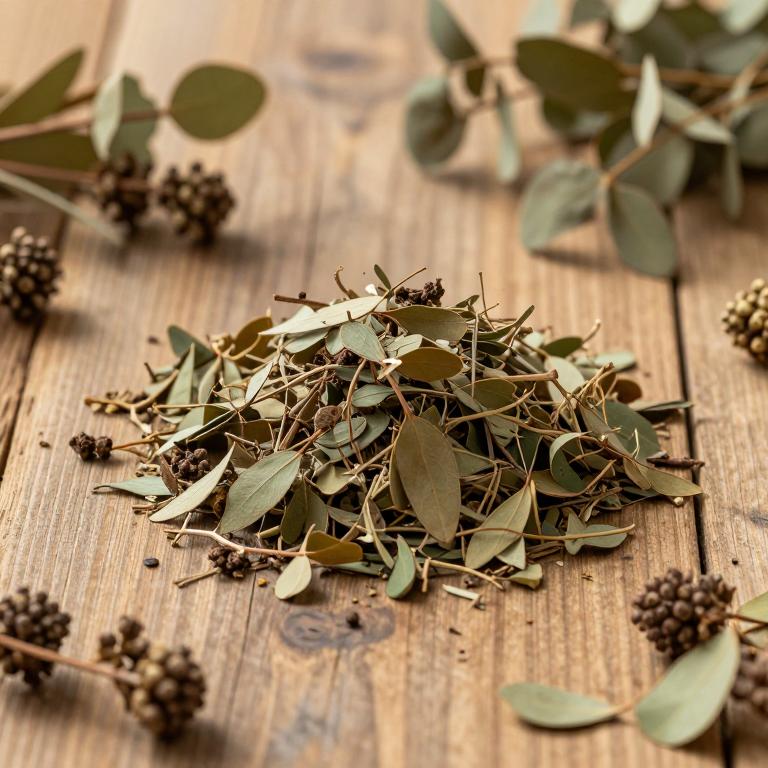
Syzygium australe is a versatile evergreen shrub frequently utilized in landscaping for its dense, lustrous foliage. Beyond its aesthetic appeal, this plant serves as a valuable source for various botanical preparations. Researchers and herbalists often focus on the development of specialized extracts derived from its leaves and bark. These concentrated liquid forms are studied for their unique chemical profiles and potential bioactive properties. Consequently, the plant holds significant interest for both horticulturalists and those exploring natural medicinal applications.
- Synonyms
- Eugenia Australis · Eugenia Simmondsiae · 4 more
- Common names
- Not available
- Family
- Myrtaceae
- Distribution
- Southern America
- Plant Parts
- Not available
Classification
Common Names
Syzygium australe is a versatile plant known by a variety of different names depending on the region. It is frequently referred to as the Brush Cherry or the brush-cherry in many horticultural circles. Some enthusiasts also recognize this species by its common name, the Australian brush-cherry. Additionally, the plant is often called the Australian water-pear or the Australiese waterpear. These diverse monikers all point to the same unique and beautiful specimen.
Sources: Catalogue of Life (COL)
Synonyms
Syzygium australe is a botanical species that has been documented under several different scientific names throughout history. Due to varying classification methods, it is frequently identified by the synonyms Eugenia australis and Eugenia simmondsiae. Researchers have also historically referred to this plant as Jambosa australis or Jambosa myrtifolia. Additionally, the name Jambosa thozetiana appears in various taxonomic records as another synonym for the species. Understanding these diverse nomenclatural relationships is essential for accurate identification in botanical studies.
Sources: The World Checklist of Vascular Plants (WCVP)
Taxonomy
Syzygium australe belongs to the vast kingdom Plantae, representing the diverse life found within the natural world. As a member of the class Equisetopsida, this plant follows a specific evolutionary lineage shared by many flowering species. It is classified under the order Myrtales, which helps botanists understand its structural development. Within this order, it finds its place in the Myrtaceae family, a group known for its distinctive aromatic qualities. Finally, the species is defined by its specific genus, Syzygium, which distinguishes it from all other botanical relatives.
| Rank | Classification |
|---|---|
| Kingdom | Plantae |
| Phylum | Streptophyta |
| Class | Equisetopsida |
| Subclass | Magnoliidae |
| Order | Myrtales |
| Family | Myrtaceae |
| Genus | Syzygium |
Sources: The World Checklist of Vascular Plants (WCVP)
Distribution
Geographic Regions
Syzygium australe is a remarkably versatile species with a vast geographical presence spanning multiple continents. Its natural distribution is most prominent across Australasia, where it thrives throughout Australia in regions such as New South Wales and Queensland. The plant also finds a foothold in New Zealand, particularly within the northern parts of the country. Beyond the southern hemisphere, its reach extends to North America, specifically within the coastal climates of California in the Southwestern United States. Finally, the species demonstrates its global adaptability by growing in the tropical landscapes of Central America, including Guatemala.
Sources: The World Checklist of Vascular Plants (WCVP)
Identification
Morphology
Syzygium australe is a self-supporting species characterized by its distinct tree growth form. This resilient plant can reach a maximum height of 10 meters under certain conditions. However, in ideal environments, it has the potential to grow even larger, reaching up to 22.5 meters. Such versatility in stature makes it a dynamic addition to many landscapes.
Sources: Global Inventory of Floras and Traits (GIFT)
Biological Activities
Compounds
Conditions
Syzygium australe extracts demonstrate a significant ability to inhibit the growth of the bacterium P. mirabilis. Within the studied panel of Australian medicinal plants, this species was identified as one of the most effective inhibitors of the microbial trigger associated with rheumatoid arthritis. The extract achieved this inhibitory effect with a minimum inhibitory concentration value generally falling well below 1000 μg/ml. Although it showed potent antibacterial activity, the Syzygium extract was noted for having a higher toxicity profile compared to other non-toxic extracts in the bioassay. This specific interaction highlights the plant's potential role in addressing the bacterial components of inflammatory diseases.
Preparations
Syzygium australe is prepared as extracts to investigate its potential for inhibiting the growth of Proteus mirabilis. These specific plant extracts were evaluated as part of a study on Australian medicinal plants used to treat inflammation and rheumatoid arthritis. The research identified these extracts as some of the most effective inhibitors of bacterial growth in the tested panel. While many tested substances showed low toxicity, the Syzygium extracts were noted as an exception in the toxicity assays. Ultimately, the study highlights how these prepared extracts may help block the microbial triggers of rheumatoid arthritis.