Syringa oblata subsp. dilatata
Syringa oblata subsp. dilatata · Accepted scientific name
Scientific literature: Very Sparse (0 studies) · ★☆☆☆☆
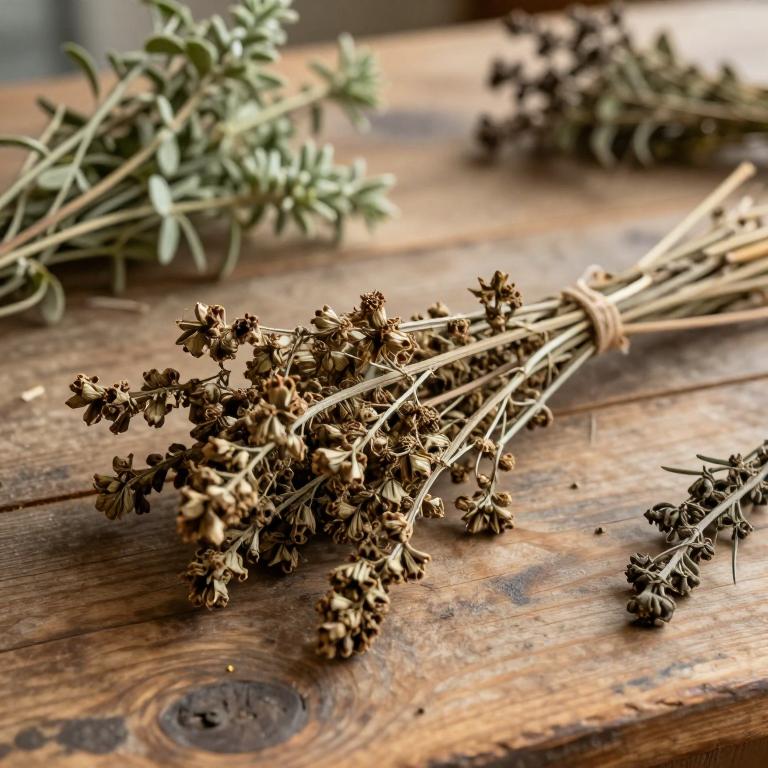
Syringa oblata subsp. dilatata is a charming deciduous shrub celebrated primarily for its prolific and fragrant blooms. The plant is highly valued for its delicate flowers, which emerge in dense clusters to provide a striking visual display. These flowers can be harvested and utilized in various traditional preparations to harness their natural properties. Whether used for their aesthetic appeal or specific medicinal uses, the blossoms remain the most significant feature of this subspecies. Understanding the unique characteristics of its flowers is essential for anyone looking to cultivate or utilize this botanical specimen.
- Synonyms
- Syringa Dilatata Var. Longituba · Syringa Dilatata · 11 more
- Common names
- Not available
- Family
- Oleaceae
- Distribution
- Not available
- Plant Parts
- Flower
Classification
Common Names
Syringa oblata subsp. dilatata is a versatile plant known by several distinct names across different languages and regions. In certain contexts, it is referred to by the common name chao yang ding xiang. Moving into Japanese nomenclature, the species is recognized as ヒロハハシドイ. It also holds the designation 朝鮮丁香, reflecting its cultural and botanical identity. Understanding these various names helps enthusiasts identify this specific subspecies more easily in diverse global settings.
Sources: Catalogue of Life (COL)
Synonyms
Syringa oblata subsp. dilatata is a botanical subject that is frequently referred to by several different names in scientific literature. Most commonly, it is recognized by its primary synonym, Syringa dilatata. Beyond this general classification, the plant encompasses several specific forms that vary in appearance. These include the white-flowered Syringa dilatata f. alba and the red-toned Syringa dilatata f. rubra. Additionally, the taxon includes the long-tubed Syringa dilatata f. longituba as well as the violet-hued Syringa dilatata f. violacea.
Sources: The World Checklist of Vascular Plants (WCVP)
Taxonomy
Syringa oblata subsp. dilatata belongs to the vast kingdom Plantae, representing a diverse group of multicellular organisms. Within this kingdom, it is classified under the class Equisetopsida, marking its fundamental biological structure. The plant is further organized into the order Lamiales, which helps scientists understand its evolutionary connections. As a member of the family Oleaceae, it shares common traits with other well-known flowering species. Finally, it is identified under the genus Syringa, placing it firmly within the celebrated group of lilac plants.
| Rank | Classification |
|---|---|
| Kingdom | Plantae |
| Phylum | Streptophyta |
| Class | Equisetopsida |
| Subclass | Magnoliidae |
| Order | Lamiales |
| Family | Oleaceae |
| Genus | Syringa |
Sources: The World Checklist of Vascular Plants (WCVP)
Distribution
Geographic Regions
Syringa oblata subsp. dilatata is a distinctive botanical specimen with a specific geographic footprint across the Asian temperate zone. Its natural range extends significantly through the diverse landscapes of China and the Manchuria region. Furthermore, this subspecies is well-established within the Eastern Asia territory, specifically flourishing in Korea. These widespread distributions highlight the plant's adaptability to the varied climates found throughout these northern regions. Understanding these precise locations is essential for researchers studying the ecological niche of this particular lilac variety.
Sources: The World Checklist of Vascular Plants (WCVP)
Identification
Biological Activities
Compounds
Syringa oblata subsp. dilatata, commonly known as Syringa dilatata, serves as a rich natural source of various bioactive compounds. Recent chemical analyses of its flowers have successfully isolated eight new oleoside-type secoiridoids, specifically identified as syringoleosides A-H. In addition to these new discoveries, researchers also identified five previously known secoiridoids within the plant's structure. These specific secoiridoids demonstrate significant biological potential, particularly in their ability to suppress NO production in LPS-induced RAW 264.7 cells. Such findings highlight the importance of studying this native Korean shrub for its potential medicinal and anti-inflammatory properties.
Conditions
Syringa oblata subsp. dilatata, specifically through its flower extracts, contains secoiridoids that inhibit the production of nitric oxide (NO). Researchers isolated eight new oleoside-type secoiridoids, named syringoleosides A-H, from these flowers. Among these compounds, syringoleosides 1, 2, 6, 7, and known compounds 11 and 13 demonstrated significant suppression effects on NO production in LPS-induced RAW 264.7 cells. These specific inhibitory effects were observed with IC50 values ranging from 32.5 ± 9.8 to 65.7 ± 11.0 μM. Notably, these bioactive compounds achieved this reduction in NO production without exhibiting any visible toxicity to the cells.
Preparations
Syringa oblata subsp. dilatata is prepared as flowers to facilitate the isolation of specific chemical compounds. Through repeated column chromatography of these flowers, researchers successfully extracted eight new oleoside-type secoiridoids known as syringoleosides A-H. These floral extracts contain several key compounds, including both newly identified structures and five previously known secoiridoids. The chemical components derived from the flowers, such as compounds 1, 2, 6, 7, 11, and 13, demonstrate a capacity to suppress NO production in LPS-induced RAW 264.7 cells. Ultimately, the major secoiridoid content within the flowers is precisely determined through the application of HPLC analysis.
Parts used
Syringa oblata subsp. dilatata, also known as Syringa dilatata, contains specific bioactive components within its flowers. Recent research has focused on isolating unique secoiridoids, specifically syringoleosides A-H, from these floral structures. Through repeated column chromatography, scientists successfully identified these eight new oleoside-type compounds alongside several known secoiridoids. These chemical constituents demonstrate significant potential due to their ability to suppress NO production in LPS-induced RAW 264.7 cells. Ultimately, the study highlights how the medicinal properties of this native Korean shrub are deeply rooted in its floral chemistry.