Syneilesis palmata
Syneilesis palmata · Accepted scientific name
Scientific literature: Very Sparse (1 studies) · ★☆☆☆☆
Syneilesis palmata is a fascinating perennial herb known for its unique botanical characteristics and potential medicinal value. Researchers have taken a particular interest in the bioactive compounds found within its leaves. Studies suggest that preparations made from the whole plant may possess significant biological properties. Most notably, recent investigations have focused on its promising anticancer activities. Understanding these therapeutic possibilities could pave the way for new developments in natural pharmacology.
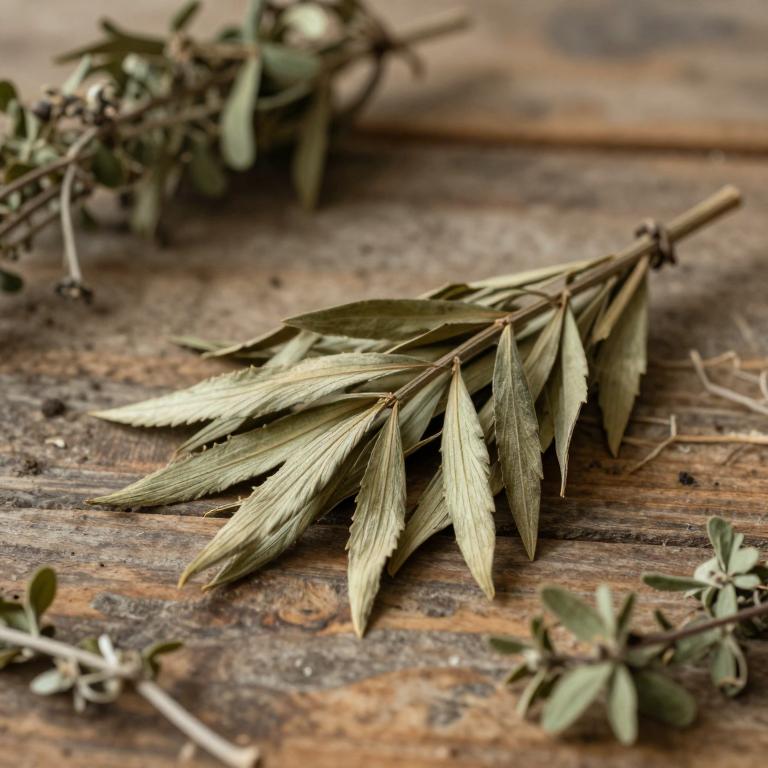
- Synonyms
- Senecio Krameri · Cacalia Palmata · 7 more
- Common names
- Not available
- Family
- Asteraceae
- Distribution
- Asia-Tropical
- Plant Parts
- Leaf
Classification
Common Names
Syneilesis palmata is a fascinating plant known by several distinct common names across different regions. It is frequently referred to as the palmate shredded umbrella plant or simply the palmate umbrella plant due to its unique leaf structure. In certain contexts, you may also encounter it called Syneilesis palmé. Its diverse nomenclature includes the term parasollstånds, reflecting its umbrella-like appearance. Additionally, it is recognized by the name sahaliuskakilpi, showcasing the wide variety of ways this species is identified.
Sources: Catalogue of Life (COL)
Synonyms
Syneilesis palmata is a botanical species known by several different scientific names throughout history. In various taxonomic records, you may encounter it referred to as Arnica palmata or Doronicum palmatum. The plant is also frequently identified by its synonyms within the Cacalia genus, specifically as Cacalia krameri and Cacalia palmata. Additionally, the name Cacalia syneilesis has been used to classify this same organism in different studies. Understanding these various synonyms is essential for researchers tracking the plant's formal classification.
Sources: The World Checklist of Vascular Plants (WCVP)
Taxonomy
Syneilesis palmata belongs to the vast kingdom Plantae, serving as a fascinating subject for botanical study. Within this kingdom, the species is classified under the class Equisetopsida. It specifically falls into the order Asterales, showcasing its evolutionary connection to other diverse flowering plants. As a member of the Asteraceae family, it shares common characteristics with many well-known composites. Finally, this unique plant is distinguished by its placement within the genus Syneilesis.
| Rank | Classification |
|---|---|
| Kingdom | Plantae |
| Phylum | Streptophyta |
| Class | Equisetopsida |
| Subclass | Magnoliidae |
| Order | Asterales |
| Family | Asteraceae |
| Genus | Syneilesis |
Sources: The World Checklist of Vascular Plants (WCVP)
Distribution
Geographic Regions
Syneilesis palmata is a distinctive plant species primarily found within the temperate regions of Asia. Its natural distribution is concentrated across Eastern Asia, where it thrives in specific ecological niches. Specifically, the species is well-documented throughout the diverse landscapes of Japan. It also maintains a significant presence within the temperate forests of Korea. Together, these regions define the geographic range of this unique botanical subject.
Sources: The World Checklist of Vascular Plants (WCVP)
Identification
Morphology
Syneilesis palmata is characterized by its distinctive growth form as an herb.
Sources: Global Inventory of Floras and Traits (GIFT)
Biological Activities
Syneilesis palmata is recognized as a traditional medicinal plant with a diverse range of therapeutic properties. Beyond its known roles in fighting inflammation and HIV, the plant has been reported to possess significant anticancer activities. Recent research has expanded our understanding of these benefits by exploring how its leaves interact with the immune system. Specifically, studies show that the leaves can activate macrophages through TLR2/4-dependent pathways to enhance immune responses. This complex biological activity, which includes inducing autophagy, highlights the plant's profound potential in modern pharmacology.
Compounds
Conditions
Syneilesis palmata is a traditional medicinal plant recognized for its potent anti-inflammatory and anticancer activities. It has also been reported to possess effective anti-human immunodeficiency virus (HIV) properties. Specifically, research indicates that the whole plant is appreciably active against recombinant HIV-1 protease at a concentration of 100 microg/mL. These diverse biological activities highlight the plant's significant therapeutic potential against various viral and inflammatory conditions.
Preparations
Syneilesis palmata is prepared as the whole plant for use in medicinal research. This specific preparation was utilized during the screening of Korean plants to evaluate their inhibitory effects against HIV-1. The study examined various extracts to determine their potential as novel anti-human immunodeficiency virus type 1 agents. Specifically, the whole plant form of Syneilesis palmata demonstrated appreciable activity against recombinant HIV-1 protease. This activity was measured at a concentration of 100 microg/mL during the experimental testing.
Parts used
Syneilesis palmata is a traditional medicinal plant recognized for its diverse anti-inflammatory, anticancer, and anti-HIV activities. Recent research has focused specifically on the therapeutic potential of the Syneilesis palmata leaf to understand its effect on the immune system. Studies indicate that these leaves possess significant immunostimulatory properties by actively triggering macrophage activation. This biological process occurs through the stimulation of TLR2/4, which subsequently leads to p38 activation and the induction of autophagy. Ultimately, the unique components found within the leaf play a crucial role in enhancing phagocytic activity and mediating essential immune responses.