Symplocos setchuensis
Symplocos setchuensis · Accepted scientific name
Scientific literature: Very Sparse (0 studies) · ★☆☆☆☆
Symplocos setchuensis is a distinctive plant species that holds significant interest within the botanical and chemical research communities. This specimen is notable for its specific phytochemical profile, which includes the presence of bioactive compounds. Among its chemical constituents, researchers have identified the presence of the alkaloid harman. Additionally, the plant contains matairesinol, a lignan that contributes to its complex chemical makeup. Understanding these unique properties provides valuable insight into the natural diversity of the Symplocos genus.
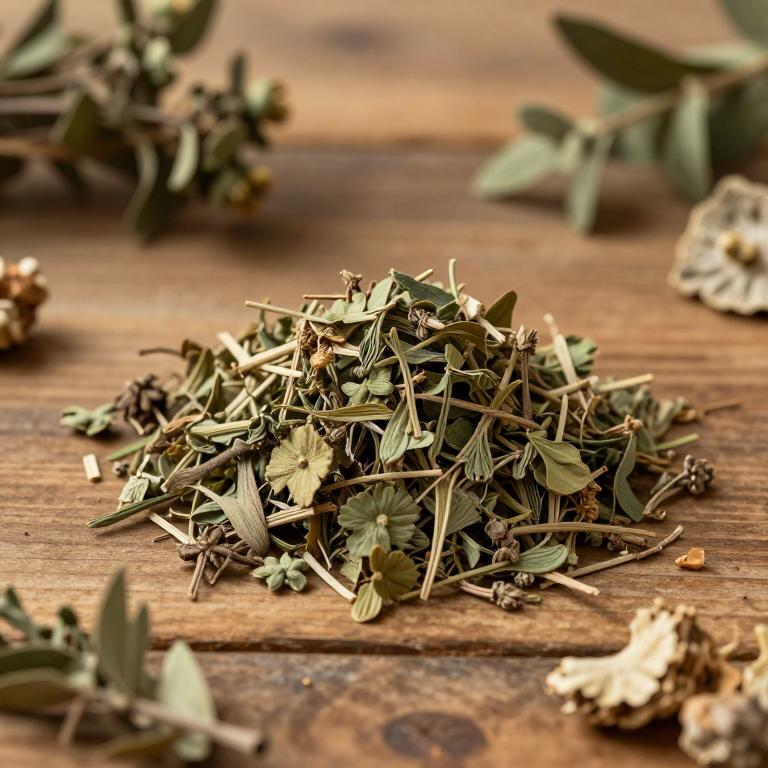
- Synonyms
- Dicalix Setchuensis · Symplocos Argyi · 8 more
- Common names
- Not available
- Family
- Symplocaceae
- Distribution
- Asia-Tropical
- Plant Parts
- Not available
Classification
Common Names
Symplocos setchuensis is a unique botanical species known by several distinct local names. In certain regions, it is commonly referred to as 四川灰木. It is also recognized by the name 團繖花灰木, highlighting its specific characteristics. These various designations help botanists and locals alike identify the plant within its natural habitat. Understanding these linguistic relationships is essential for studying the diverse naming conventions used for this species.
Sources: Catalogue of Life (COL)
Synonyms
Symplocos setchuensis is a botanical species known to be associated with several different taxonomic names throughout history. This plant is recognized by multiple synonyms, including the classifications of Bobua glomeratiflora and Bobua ilicifolia. Research further identifies it under the name Dicalix setchuensis, reflecting its complex botanical lineage. Additionally, it has been referred to in literature as both Symplocos acutangula and Symplocos argyi. Understanding these various nomenclatural relationships is essential for accurate identification and scientific study.
Sources: The World Checklist of Vascular Plants (WCVP)
Taxonomy
Symplocos setchuensis is a specialized member of the kingdom Plantae. Within this vast botanical realm, the species is classified under the class Equisetopsida. It belongs to the order Ericales, showcasing its specific evolutionary lineage. This plant is further nested within the family Symplocaceae, which defines its unique biological characteristics. Finally, it is identified by its distinct genus, Symplocos.
| Rank | Classification |
|---|---|
| Kingdom | Plantae |
| Phylum | Streptophyta |
| Class | Equisetopsida |
| Subclass | Magnoliidae |
| Order | Ericales |
| Family | Symplocaceae |
| Genus | Symplocos |
Sources: The World Checklist of Vascular Plants (WCVP)
Distribution
Geographic Regions
Symplocos setchuensis is a plant species primarily found within the temperate regions of Asia. Its natural range extends across various parts of China, specifically encompassing the South-Central and Southeast territories. In addition to its presence on the mainland, this species is also distributed throughout Eastern Asia. Notably, its habitat includes the island of Taiwan, showcasing its diverse geographical reach. These specific locations highlight the important ecological niches where the plant thrives.
Sources: The World Checklist of Vascular Plants (WCVP)
Identification
Morphology
Symplocos setchuensis is a plant characterized by its distinctive shrub-like growth form.
Sources: Global Inventory of Floras and Traits (GIFT)
Biological Activities
Compounds
Symplocos setchuensis is a botanical source of significant pharmacological interest due to its unique chemical constituents. Research has identified that this plant contains the principle harman, which has demonstrated notable anti-HIV activity. Additionally, the species contains matairesinol, another compound found to inhibit HIV replication in H9 lymphocyte cells. These identified substances serve as foundational elements for the development of new anti-AIDS agents. By studying these specific relationships, scientists aim to create potent derivatives that can more effectively combat viral infections.
Conditions
Symplocos setchuensis contains specific compounds, namely matairesinol and harman, that function to inhibit HIV replication. Research conducted on H9 lymphocyte cells demonstrated that these principles derived from the plant effectively suppress the virus. Further investigation into the derivatives of harman revealed that compound 19 possesses particularly potent anti-HIV activity. This specific derivative achieved a highly impressive EC50 value of 0.037 microM. Consequently, the plant serves as a significant source for developing therapeutic agents against AIDS.