Comfrey
Symphytum · Accepted scientific name
Scientific literature: Very Sparse (16 studies) · ★☆☆☆☆
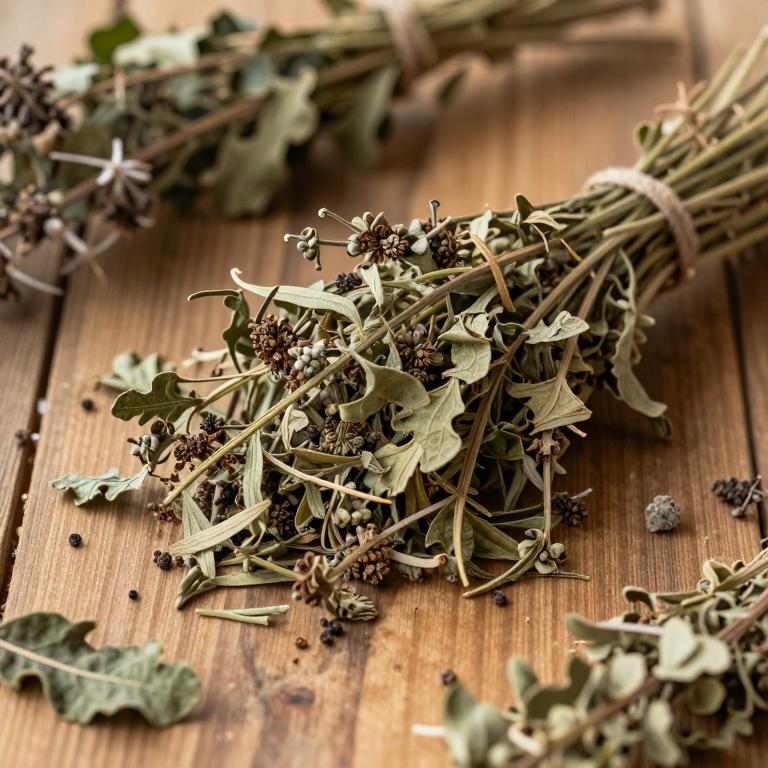
Comfrey, scientifically known as Symphytum, is a perennial herb renowned for its potent healing properties. Traditionally used in herbal medicine, its leaves and roots contain allantoin, which promotes cell regeneration and skin repair. Often applied topically for bruises and sprains, this versatile plant remains a cornerstone of traditional phytotherapy.
- Family
- Boraginaceae
- Native range
- Europe
- Parts used
- Not available
- Common names
- Indet. Comfrey · Comfrey · 2 more
- Scientific synonyms
- × Procopiphytum · Procopiania
Names and Synonyms
Common Names
- Indet. Comfrey
- comfrey
- Comfreys
- comphreys
Scientific Names
Accepted name
SymphytumSynonyms
- × Procopiphytum
- Procopiania
Regional and Traditional Names
Spanish:
- Consuelda
German:
- Beinwell
- Comfrey
- Wallwurz
- Beinwell
French:
- Consoude
- consoudes
- Consoude
Sources: Wikidata, Catalogue of Life
Taxonomical Classification
This plant belongs to the kingdom Plantae and the phylum Streptophyta. Within the class Equisetopsida and subclass Magnoliidae, it is categorized under the order Boraginales and the family Boraginaceae. Finally, it is classified under the genus Symphytum.
| Rank | Classification |
|---|---|
| Kingdom | Plantae |
| Phylum | Streptophyta |
| Class | Equisetopsida |
| Subclass | Magnoliidae |
| Order | Boraginales |
| Family | Boraginaceae |
| Genus | Symphytum |
Sources: The World Checklist of Vascular Plants (WCVP)
Distribution
This plant exhibits a specific geographical presence across several regions of Northern Europe. It can be found growing within the borders of Denmark. Its distribution also extends to the territories of Finland and Norway. Furthermore, the species is documented in both Great Britain and Ireland. These locations represent the primary northern reaches of its natural habitat.
| Region | Area |
|---|---|
| Northern Europe | Denmark |
| Northern Europe | Finland |
| Northern Europe | Great Britain |
| Northern Europe | Ireland |
| Northern Europe | Norway |
| Northern Europe | Sweden |
| Middle Europe | Austria |
| Middle Europe | Belgium |
| Middle Europe | Czechia-Slovakia |
| Middle Europe | Germany |
Sources: The World Checklist of Vascular Plants (WCVP)
Chemicals
Symphytum has 5 reported phytochemicals identified across 0 scientific publications and several other databases. The most consistently reported chemicals include Glycopeptides, HETISINE, Venulol, aconitine, allantoin.
| Chemical | Supporting sources | Consensus |
|---|---|---|
| Glycopeptides | 1 supporting sources | ★☆☆☆☆ |
| HETISINE | 1 supporting sources | ★☆☆☆☆ |
| Venulol | 1 supporting sources | ★☆☆☆☆ |
| aconitine | 1 supporting sources | ★☆☆☆☆ |
| allantoin | 1 supporting sources | ★☆☆☆☆ |
Glycopeptides
- Molecules (Basel, Switzerland)
HETISINE
- Phytotherapy research : PTR
Venulol
- Phytotherapy research : PTR
aconitine
- Scientific reports
allantoin
- Molecules (Basel, Switzerland)
Conditions
Symphytum has 10 reported investigations on conditions identified across 0 scientific publications and several other databases. The most consistently reported conditions include contusions, gastritis, gout, hematomas, joint pain.
| Condition | Supporting sources | Consensus |
|---|---|---|
| Contusions | 1 supporting sources | ★☆☆☆☆ |
| Gastritis | 1 supporting sources | ★☆☆☆☆ |
| Gout | 1 supporting sources | ★☆☆☆☆ |
| Hematomas | 1 supporting sources | ★☆☆☆☆ |
| Joint pain | 1 supporting sources | ★☆☆☆☆ |
| Rheumatism | 1 supporting sources | ★☆☆☆☆ |
| Sprains | 1 supporting sources | ★☆☆☆☆ |
| Thrombophlebitis | 1 supporting sources | ★☆☆☆☆ |
| Ulcers | 1 supporting sources | ★☆☆☆☆ |
| Wounds | 1 supporting sources | ★☆☆☆☆ |
Contusions
- Molecules (Basel, Switzerland)
Gastritis
- Molecules (Basel, Switzerland)
Gout
- Molecules (Basel, Switzerland)
Hematomas
- Molecules (Basel, Switzerland)
Joint pain
- Molecules (Basel, Switzerland)
Rheumatism
- Molecules (Basel, Switzerland)
Sprains
- Molecules (Basel, Switzerland)
Thrombophlebitis
- Molecules (Basel, Switzerland)
Ulcers
- Molecules (Basel, Switzerland)
Wounds
- Molecules (Basel, Switzerland)
Preparations
Symphytum has 2 reported preparations identified across 0 scientific publications and several other databases. The most consistently reported preparations include symphytum herb extract cream, tea.
| Preparation | Supporting sources | Consensus |
|---|---|---|
| Symphytum herb extract cream | 1 supporting sources | ★☆☆☆☆ |
| Tea | 1 supporting sources | ★☆☆☆☆ |
Symphytum herb extract cream
- Zeitschrift fur Gerontologie und Geriatrie
Tea
- Presse medicale (Paris, France : 1983)