Symphytum × uplandicum
Symphytum × uplandicum · Accepted scientific name
Scientific literature: Very Sparse (1 studies) · ★☆☆☆☆
Symphytum × uplandicum, is a robust hybrid commonly referred to as Comfrey. Renowned for its potent medicinal properties, this plant is traditionally used to treat skin inflammations and bone injuries. Rich in allantoin, it promotes rapid tissue regeneration, making it a vital staple in herbal healing and topical remedies.
- Family
- Not available
- Native range
- Europe
- Parts used
- Leaf
- Common names
- Not available
- Scientific synonyms
- Not available
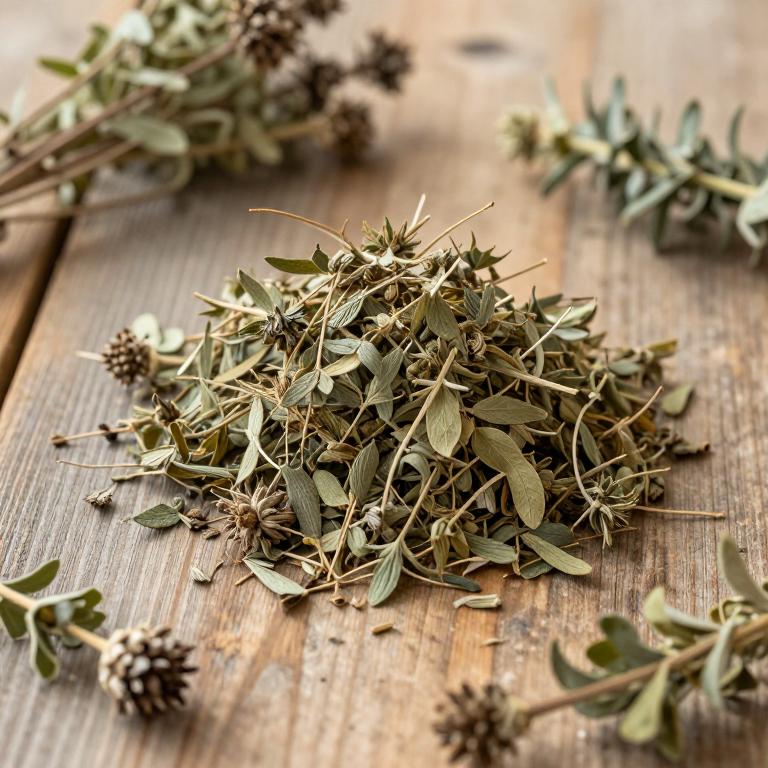
Names and Synonyms
Scientific Names
Accepted name
Symphytum × uplandicumDistribution
This plant exhibits a specific distribution across several regions in Northern Europe. It can be found growing in the coastal and inland areas of Denmark. Its presence is also documented throughout the landscapes of Finland. Additionally, this species is established within the territories of Great Britain and Ireland. Finally, the plant's range extends northward into the country of Norway.
| Region | Area |
|---|---|
| Northern Europe | Denmark |
| Northern Europe | Finland |
| Northern Europe | Great Britain |
| Northern Europe | Ireland |
| Northern Europe | Norway |
| Northern Europe | Sweden |
| Middle Europe | Austria |
| Middle Europe | Belgium |
| Middle Europe | Czechia-Slovakia |
| Middle Europe | Germany |
Sources: The World Checklist of Vascular Plants (WCVP)
Botanical Identification
Life history
The life history of Symphytum × uplandicum is characterized by a perennial lifecycle, though its developmental patterns can be variable depending on environmental conditions. As a perennial species, the plant establishes a long-term presence in its habitat, often utilizing robust underground structures to survive through multiple growing seasons. While it primarily follows a perennial strategy, it can exhibit characteristics consistent with biennial or annual growth cycles under specific ecological pressures or resource limitations. This variability allows the plant to persist in diverse environments, transitioning through different stages of maturation to ensure long-term survival and reproductive success.
- Lifecycle :
- perennial
Morphology
The morphology of Symphytum × uplandicum is characterized by its growth form as a non-woody herb, presenting a structure that is distinctly non-woody throughout its vegetative body. As a self-supporting plant, it does not exhibit climbing habits such as a liana or vine, nor does it function as an obligatory or facultative climber. The species is categorized as a terrestrial plant, lacking aquatic or semiaquatic tendencies, and it does not function as an epiphyte. Furthermore, it is an independent organism, showing no parasitic behavior, and maintains a robust herbaceous habit typical of forbs.
- Aquatic :
- terrestrial
- Climber :
- self-supporting
- Epiphyte :
- terrestrial
- Growth form :
- herb
- Parasite :
- independent
- Woodiness :
- non-woody
Physiology
The physiology of Symphytum × uplandicum is characterized by its efficient metabolic processes and robust growth patterns, fundamentally driven by a C3 photosynthetic pathway. Through this C3 mechanism, the plant utilizes the enzyme RuBisCO to fix atmospheric carbon dioxide directly during the Calvin cycle, a process that is highly effective in the temperate, moist environments where this hybrid typically thrives. This photosynthetic strategy supports the rapid development of its large, vegetative biomass and the accumulation of complex secondary metabolites within its tissues. The plant's physiological efficiency is further reflected in its extensive rhizomatous root system, which facilitates high rates of nutrient and water uptake to sustain the metabolic demands of its broad foliage. This coordinated interplay between its C3 carbon fixation and its specialized root physiology allows the plant to maintain high turgor pressure and support the energy-intensive synthesis of bioactive compounds throughout its growing season.
- Photosynthetic pathway :
- C3
Sources: Global Inventory of Floras and Traits (GIFT)
Plant Parts
Symphytum × uplandicum has 1 reported plant parts identified across 1 scientific publications and several other databases that are studied for medicinal purposes. The most consistently reported plant part include leaf.
| Plant part | Supporting sources | Consensus |
|---|---|---|
| Leaf | 1 supporting sources | ★☆☆☆☆ |
Leaf
- Experientia
Preparations
Symphytum × uplandicum has 1 reported preparations identified across 1 scientific publications and several other databases. The most consistently reported preparations include extracts.
| Preparation | Supporting sources | Consensus |
|---|---|---|
| Extracts | 1 supporting sources | ★☆☆☆☆ |
Extracts
- Journal of ethnopharmacology