Symphyotrichum undulatum
Symphyotrichum undulatum · Accepted scientific name
Scientific literature: Very Sparse (3 studies) · ★☆☆☆☆
Symphyotrichum undulatum is a botanical species that has garnered significant scientific interest due to its diverse therapeutic potential. Research indicates that the leaves of this plant contain vital bioactive compounds, specifically saponins and (-)-3,5-dicaffeoyl-muco-quinic acid. Through various preparations such as crude plant extracts and enzyme-assisted polysaccharide (ASEP) methods, the plant exhibits notable antioxidant and anticancer activities. These specialized extracts are studied for their ability to address various physiological conditions, including bruises, dizziness, and headaches. Consequently, understanding the chemical profile of its leaves provides a foundation for developing new medicinal applications.
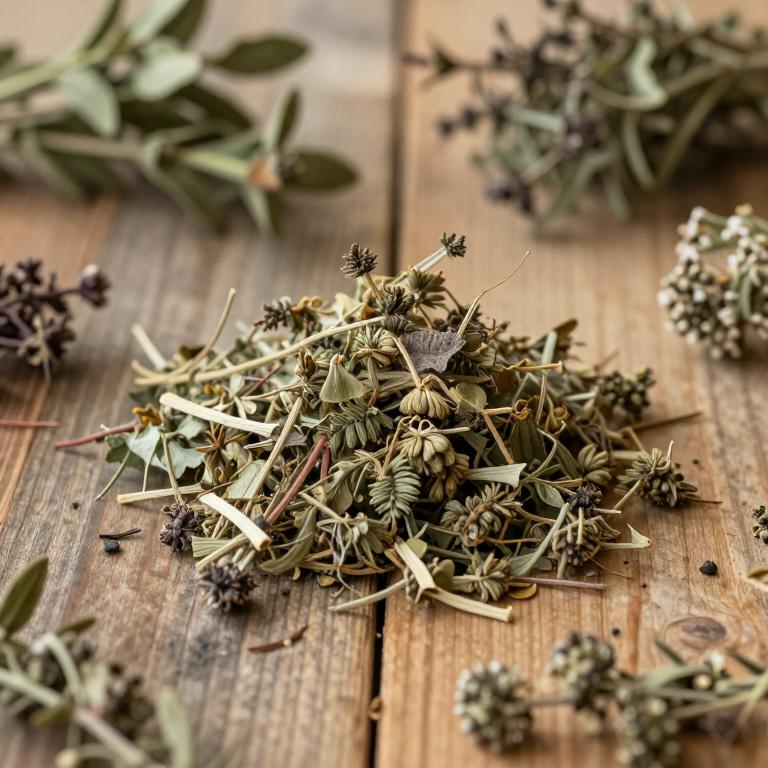
- Synonyms
- Aster Undulatus Var. Abruptifolius · Aster Asperifolius · 22 more
- Common names
- Not available
- Family
- Asteraceae
- Distribution
- Not available
- Plant Parts
- Leaf
Classification
Common Names
Symphyotrichum undulatum is a distinctive wildflower known by several different regional monikers. It is frequently referred to by its common name, the wavyleaf aster, due to its unique foliage. Enthusiasts may also encounter it called the wavy-leaved aster or the wavy-leaf aster depending on the local dialect. In some botanical circles, it is recognized as the clasping heart-leaf aster to highlight its specific leaf structure. Furthermore, the plant is sometimes identified simply as the aster ondulé.
Sources: Catalogue of Life (COL)
Synonyms
Symphyotrichum undulatum is a botanical species that has been documented under several different scientific names throughout history. In various taxonomic records, it is frequently identified by the synonym Aster asperifolius. The plant is also recognized by the name Aster asperulus, reflecting its complex classification. Other historical designations include Aster autumnalis and Aster baldwinii, which highlights the shifting nomenclature used by researchers. Additionally, the name Aster claviger serves as another synonym associated with this versatile wildflower.
Sources: The World Checklist of Vascular Plants (WCVP)
Taxonomy
Symphyotrichum undulatum belongs to the diverse kingdom Plantae, representing a unique branch of the natural world. Within this vast kingdom, the species is classified under the class Equisetopsida. It further refines its biological identity through its membership in the order Asterales. As a prominent member of the family Asteraceae, it shares characteristics with a wide array of flowering plants. Ultimately, its specific classification is defined by its placement within the genus Symphyotrichum.
| Rank | Classification |
|---|---|
| Kingdom | Plantae |
| Phylum | Streptophyta |
| Class | Equisetopsida |
| Subclass | Magnoliidae |
| Order | Asterales |
| Family | Asteraceae |
| Genus | Symphyotrichum |
Sources: The World Checklist of Vascular Plants (WCVP)
Distribution
Geographic Regions
Symphyotrichum undulatum is a resilient species widely distributed across various regions of Northern America. Its range extends into Eastern Canada, where it can be found growing throughout Nova Scotia and Ontario. Moving into the United States, the plant establishes itself within the North-Central region, specifically in states like Illinois. It also maintains a significant presence across the Northeastern U.S.A., appearing in areas such as Connecticut and Indiana. This broad geographic footprint highlights the plant's ability to thrive in diverse northern climates.
Sources: The World Checklist of Vascular Plants (WCVP)
Identification
Morphology
Symphyotrichum undulatum is characterized by its distinct herb growth form. This plant is entirely self-supporting, allowing it to maintain its structure within its natural habitat.
Sources: Global Inventory of Floras and Traits (GIFT)
Biological Activities
Symphyotrichum undulatum, also known as Aster scaber, is recognized as an edible and medicinal perennial herb with significant therapeutic potential. Research indicates that this plant possesses notable antioxidant activities, which are linked to its rich composition of polyphenolic compounds like caffeic acid and myricetin. Furthermore, the species is known to exhibit anticancer properties that contribute to its medicinal value. Beyond these effects, studies highlight its ability to serve as an effective immunomodulator through various polysaccharide extractions. These combined biological activities underscore the plant's importance in both nutritional and pharmaceutical applications.
Compounds
Symphyotrichum undulatum serves as a significant subject in the study of complex plant metabolites and their chemical constituents. Research into various Asteraceae species indicates that these plants are rich in diverse bioactive compounds, including specialized glycosides. Specifically, the chemical profile of Symphyotrichum undulatum is characterized by the presence of saponins. Furthermore, detailed analysis of leaf extracts has identified myricetin as a dominant flavonol within this plant group. These findings highlight the botanical importance of the species in exploring antioxidant capacities and phenolic compositions.
Conditions
Symphyotrichum undulatum, also known as Aster scaber, demonstrates significant medicinal potential by treating HCT-116 cells through its cytotoxic properties. The plant is recognized for its ability to treat anticancer conditions and provides potent antioxidant activity. Traditional uses of the herb also include its application to treat bruises and mitigate the effects of dizziness. These diverse biological activities highlight the plant's multifaceted role in medicinal applications. Together, these relationships underscore the therapeutic value of the species in various health contexts.
Preparations
Symphyotrichum undulatum, identified in the text as Aster scaber, can be processed into several distinct forms for scientific study. The plant is prepared as enzyme-assisted polysaccharides known as ASEP-A, ASEP-C, and ASEP-P through the use of amylase, cellulase, and pectinase. Additionally, it is prepared as hot water extracted polysaccharide (ASWP) to investigate its physicochemical and biological properties. Beyond these specific polysaccharides, the plant is also utilized in the form of crude plant extracts for the analysis of glycosides. These various preparations allow researchers to evaluate the medicinal and immunostimulatory potential of the herb.
Parts used
Symphyotrichum undulatum possesses a distinct leaf structure that serves as a primary site for much of its chemical complexity. Research into similar species, such as Aster scaber, highlights how these leaves function as rich reservoirs for various bioactive compounds. Through the extraction of leaf tissues, scientists have identified a diverse array of polyphenols, including hydroxybenzoic and hydroxycinnamic acids. For instance, the leaf of Aster scaber specifically contains high concentrations of caffeic acid and dominant flavonols like myricetin. Ultimately, analyzing these leaf extracts reveals critical information regarding the plant's overall antioxidant capacity and chemical potency.