Swertia japonica
Swertia japonica · Accepted scientific name
Scientific literature: Very Sparse (7 studies) · ★☆☆☆☆
Swertiia japonica, scientifically known as Swertiia japonica, is a perennial herb revered in traditional medicine, particularly within East Asian practices. Renowned for its bitter properties, this plant is frequently utilized to support digestive health, reduce inflammation, and alleviate fever, serving as a vital component in various herbal formulations.
- Family
- Gentianaceae
- Native range
- Asia-Temperate
- Parts used
- Not available
- Common names
- Not available
- Scientific synonyms
- Ophelia Japonica F. Littoralis · Ophelia Japonica · 7 more
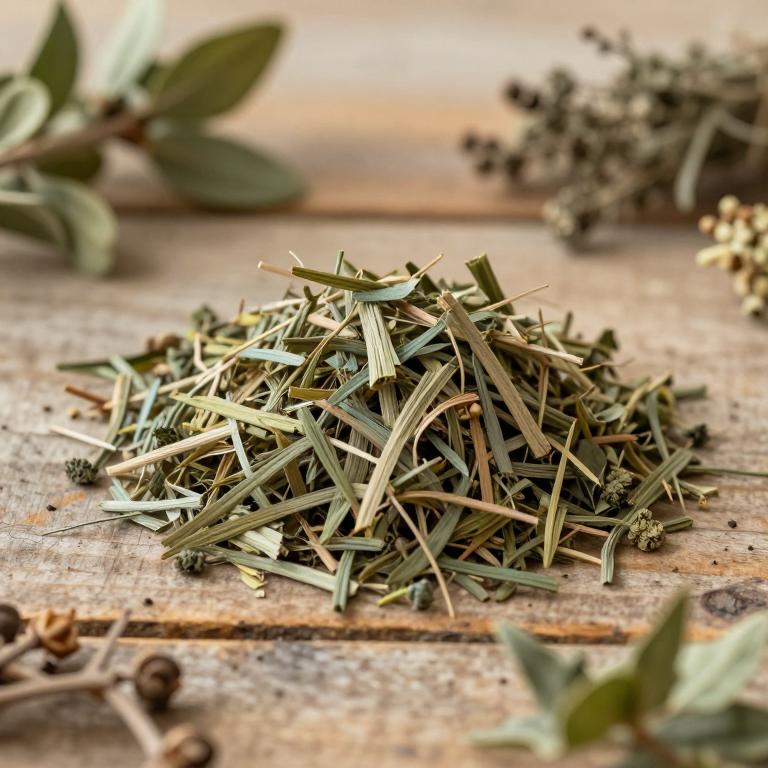
Names and Synonyms
Scientific Names
Accepted name
Swertia japonicaSynonyms
- Ophelia japonica f. littoralis
- Ophelia japonica
- Synallodia japonica
- Gentiana japonica
- Swertia japonica f. chionantha
- Frasera japonica
- Swertia japonica var. littoralis
- Swertia japonica var. latifolia
- Swertia japonica f. minutula
Sources: Wikidata, Catalogue of Life
Taxonomical Classification
This plant belongs to the kingdom Plantae and is classified under the phylum Streptophyta and the class Equisetopsida. Within the subclass Magnoliidae and the order Gentianales, it is a member of the Gentianaceae family. It is specifically categorized under the genus Swertia.
| Rank | Classification |
|---|---|
| Kingdom | Plantae |
| Phylum | Streptophyta |
| Class | Equisetopsida |
| Subclass | Magnoliidae |
| Order | Gentianales |
| Family | Gentianaceae |
| Genus | Swertia |
Sources: The World Checklist of Vascular Plants (WCVP)
Distribution
This plant exhibits a specific geographical range localized within the Eastern Asian region. Its natural habitat is primarily documented in the archipelago of Japan. Additionally, the species can be found growing across various parts of Korea. These two countries represent the core areas where its distribution is established. Consequently, its presence is concentrated within these particular East Asian territories.
| Region | Area |
|---|---|
| Eastern Asia | Japan |
| Eastern Asia | Korea |
Sources: The World Checklist of Vascular Plants (WCVP)
Botanical Identification
Morphology
The morphology of Swertia japonica is characterized by its growth form as a herb, presenting a relatively low-profile stature typical of herbaceous species. In terms of its structural composition, the plant is classified as non-woody, lacking the lignified tissues found in shrubs or trees. This herbaceous nature implies a succulent or soft-stemmed habit that completes its life cycle without developing permanent woody structures.
- Growth form :
- herb
- Woodiness :
- non-woody
Sources: Global Inventory of Floras and Traits (GIFT)
Chemicals
Swertia japonica has 3 reported phytochemicals identified across 0 scientific publications and several other databases. The most consistently reported chemicals include Swertiamarin, Bellidifolin, Sweroside.
| Chemical | Supporting sources | Consensus |
|---|---|---|
| Swertiamarin | 4 supporting sources | ★★☆☆☆ |
| Bellidifolin | 1 supporting sources | ★☆☆☆☆ |
| Sweroside | 1 supporting sources | ★☆☆☆☆ |
Swertiamarin
- Journal of ethnopharmacology
- Journal of AOAC International
- Planta medica
- Fitoterapia
Bellidifolin
- Planta medica
Sweroside
- Journal of AOAC International
Conditions
Swertia japonica has 1 reported investigations on conditions identified across 0 scientific publications and several other databases. The most consistently reported conditions include gastrointestinal disease.
| Condition | Supporting sources | Consensus |
|---|---|---|
| Gastrointestinal disease | 1 supporting sources | ★☆☆☆☆ |
Gastrointestinal disease
- Journal of AOAC International
Preparations
Swertia japonica has 2 reported preparations identified across 0 scientific publications and several other databases. The most consistently reported preparations include methanol extract, powder.
| Preparation | Supporting sources | Consensus |
|---|---|---|
| Methanol extract | 1 supporting sources | ★☆☆☆☆ |
| Powder | 1 supporting sources | ★☆☆☆☆ |
Methanol extract
- Journal of ethnopharmacology
Powder
- Fitoterapia