Swainsona canescens
Swainsona canescens · Accepted scientific name
Scientific literature: Very Sparse (0 studies) · ★☆☆☆☆
Swainsona canescens is a resilient shrub native to the arid regions of Australia, characterized by its silvery-grey foliage and delicate pea-like flowers. While visually striking, this plant plays a critical role in environmental studies due to its ability to accumulate certain alkaloids within its tissues. When livestock ingest these plants, they may develop a condition known as locoweed poisoning, which is fundamentally linked to cellular dysfunction. Specifically, the toxic effects mimic aspects of Lysosomal Storage Disease by disrupting the normal breakdown of materials within the cells. Understanding the biochemical impact of this plant is essential for protecting grazing animals from long-term neurological damage.
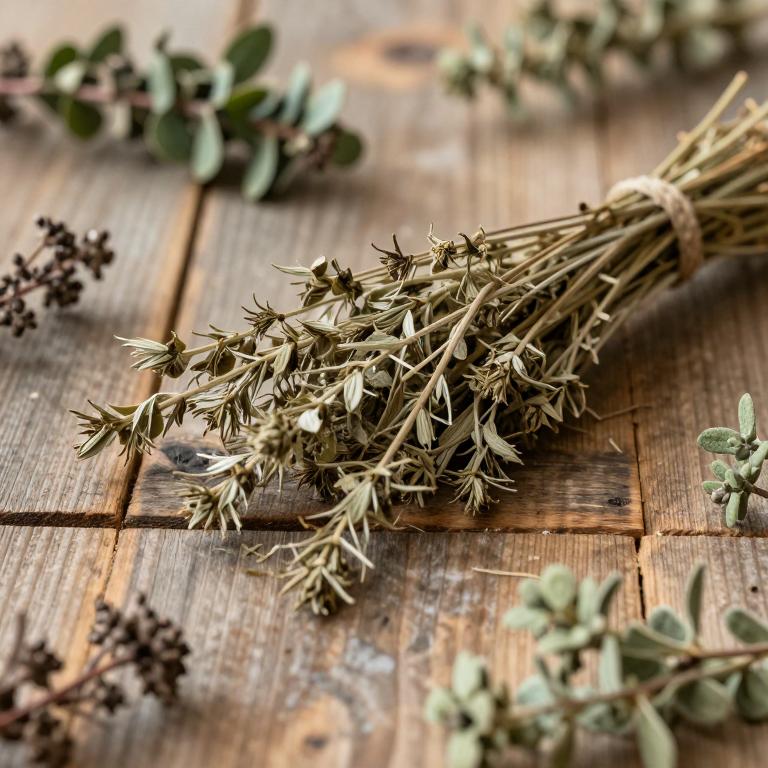
- Synonyms
- Cyclogyne Canescens
- Common names
- Not available
- Family
- Fabaceae
- Distribution
- Africa
- Plant Parts
- Not available
Classification
Common Names
Swainsona canescens is a distinctive plant species often recognized by its various regional identifiers. In English-speaking areas, it is most frequently referred to by the common name grey swainsona. This name reflects the subtle, muted tones characteristic of its foliage and structure. When translated into Chinese, the plant is known as 灰沙漠豆, providing a descriptive label for its appearance. Understanding these diverse names helps enthusiasts and researchers connect with the species across different linguistic landscapes.
Sources: Catalogue of Life (COL)
Synonyms
Swainsona canescens is a botanical species that is frequently identified by its alternative scientific name, Cyclogyne canescens. While these two names may appear distinct, they represent the same plant within different taxonomic classifications. This synonymy reflects the evolving nature of botanical nomenclature as researchers refine their understanding of plant lineages. Recognizing both terms is essential for botanists and researchers to ensure accurate communication in scientific literature. Understanding these relationships helps clarify the complex history of how this specific plant has been cataloged over time.
Sources: The World Checklist of Vascular Plants (WCVP)
Taxonomy
Swainsona canescens is a remarkable botanical specimen that belongs to the kingdom Plantae. Within this vast biological realm, the plant is classified under the class Equisetopsida. It follows a specific evolutionary lineage as a member of the order Fabales. Furthermore, its taxonomic identity is defined by its placement within the family Fabaceae. Ultimately, this species is distinguished by its membership in the genus Swainsona.
| Rank | Classification |
|---|---|
| Kingdom | Plantae |
| Phylum | Streptophyta |
| Class | Equisetopsida |
| Subclass | Magnoliidae |
| Order | Fabales |
| Family | Fabaceae |
| Genus | Swainsona |
Sources: The World Checklist of Vascular Plants (WCVP)
Distribution
Geographic Regions
Swainsona canescens is a resilient plant species widely distributed across the vast landscapes of Australasia. Within the continent of Australia, it maintains a significant presence across multiple diverse territories. Its range extends through the unique environments of New South Wales and the Northern Territory. Additionally, the species can be found thriving throughout the regions of South Australia and Western Australia. This broad geographical spread highlights the plant's ability to adapt to various Australian habitats.
Sources: The World Checklist of Vascular Plants (WCVP)
Identification
Morphology
Swainsona canescens is a self-supporting herb characterized by its distinct growth form. This plant typically reaches a modest stature, with heights ranging from a minimum of 0.15 m. Under optimal conditions, it can grow to a maximum height of 0.6 m. Such dimensions make it a compact addition to its natural ecosystem.
Sources: Global Inventory of Floras and Traits (GIFT)
Biological Activities
Compounds
Conditions
Swainsona canescens is actually the causative agent of Swainsona spp. toxicosis rather than a treatment for it. The ingestion of this plant leads to a chronic disease characterized by neurological disturbances and intense cellular vacuolation in livestock. Specifically, the plant contains an inhibitor of lysosomal alpha-mannosidase, which directly induces a mannosidosis. This biochemical interference results in the development of a lysosomal storage disease within the affected animal's tissues. Therefore, the plant is the source of these pathological conditions instead of a remedy.