Sunhangia elegans
Sunhangia elegans · Accepted scientific name
Scientific literature: Very Sparse (0 studies) · ★☆☆☆☆
Sunhangia elegans is a captivating botanical species known for its unique aesthetic appeal and distinctive growth patterns. While many enthusiasts seek it out for its visual beauty, understanding its biological properties is essential for responsible cultivation. Some studies explore the potential physiological effects of various plant extracts, though caution is always advised for those managing specific health concerns. For individuals living with hypertension, it is crucial to consult a medical professional before introducing new botanical elements into a wellness routine. This introduction serves to highlight the plant's characteristics while emphasizing the importance of safety and medical oversight.
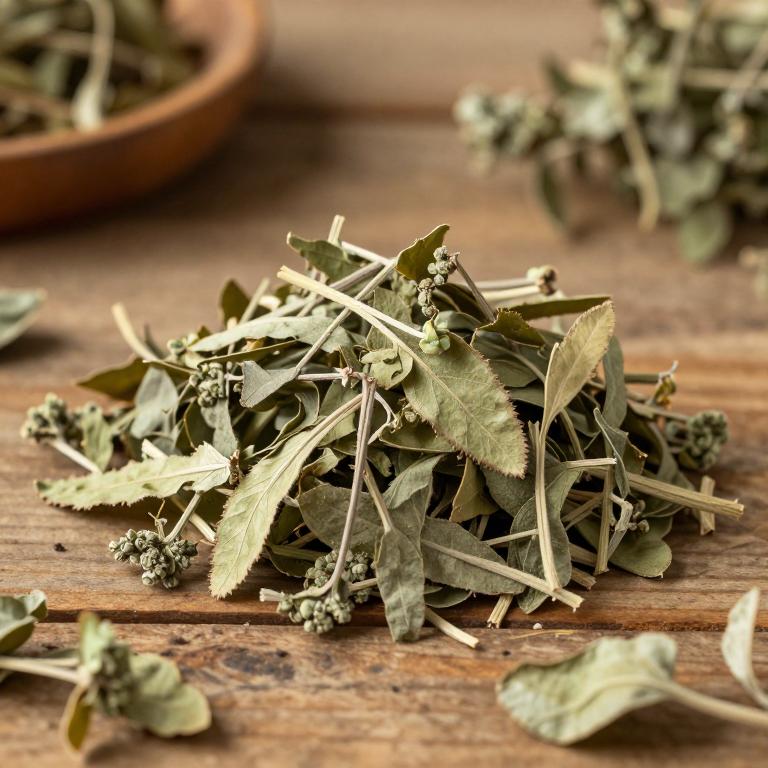
- Synonyms
- Meibomia Elegans · Ototropis Elegans
- Common names
- Not available
- Family
- Fabaceae
- Distribution
- Not available
- Plant Parts
- Not available
Classification
Common Names
Sunhangia elegans is a unique plant known by several distinct names across different languages and cultures. In English-speaking regions, it is most commonly referred to as the Elegant Desmodium. This botanical identity is mirrored in Russian, where it is called Десмодиум изящный. Moving to East Asia, the species is recognized by the Japanese name ハナヌスビトハギ. Finally, in Chinese contexts, it is identified by the name 锥蚂蟥.
Sources: Catalogue of Life (COL)
Synonyms
Sunhangia elegans is a botanical species that has been documented under several different names throughout history. Due to various taxonomic classifications, it is recognized by the synonym Desmodium elegans. The plant is also frequently referred to in scientific literature as Meibomia elegans. Furthermore, researchers have previously identified this same species as Ototropis elegans. Understanding these shifting nomenclature relationships is essential for accurate botanical identification.
Sources: The World Checklist of Vascular Plants (WCVP)
Taxonomy
Sunhangia elegans is a unique botanical specimen belonging to the vast kingdom Plantae. This plant is classified under the class Equisetopsida and resides within the order Fabales. Specifically, it is a member of the Fabaceae family, which connects it to many other well-known legumes. Its taxonomic identity is further defined by its placement within the genus Sunhangia. Understanding these biological relationships provides essential insight into the evolutionary history of this species.
| Rank | Classification |
|---|---|
| Kingdom | Plantae |
| Phylum | Streptophyta |
| Class | Equisetopsida |
| Subclass | Magnoliidae |
| Order | Fabales |
| Family | Fabaceae |
| Genus | Sunhangia |
Sources: The World Checklist of Vascular Plants (WCVP)
Distribution
Geographic Regions
Sunhangia elegans is a plant species characterized by a broad and diverse geographic distribution across various temperate regions of Asia. Within China, its presence is noted throughout the North-Central and South-Central territories, as well as the high-altitude landscapes of Tibet. The species also extends its range eastward into the temperate environments of Japan. Furthermore, its reach stretches westward into the rugged terrain of Afghanistan. This wide-ranging habitat highlights the adaptability of the species across much of the Asian continent.
Sources: The World Checklist of Vascular Plants (WCVP)
Identification
Morphology
Sunhangia elegans grows in a distinctive shrub form that allows it to thrive in its natural environment. As a self-supporting plant, it maintains its own structure without the need for external assistance.
Sources: Global Inventory of Floras and Traits (GIFT)
Biological Activities
Compounds
Conditions
Sunhangia elegans is identified as a medicinal plant species used to treat hypertension. This specific therapeutic application was documented during an ethnobotanical study conducted in the remote Himalayan border region of Azad Kashmir, Pakistan. The use of this plant for managing high blood pressure was reported as a new finding within the local community's traditional knowledge. Such discoveries highlight the significant potential of the region's diverse flora for pharmacological research. Consequently, Sunhangia elegans represents an important species for investigating new medicinal treatments.