Strychnos
Strychnos · Accepted scientific name
Scientific literature: Very Sparse (2 studies) · ★☆☆☆☆
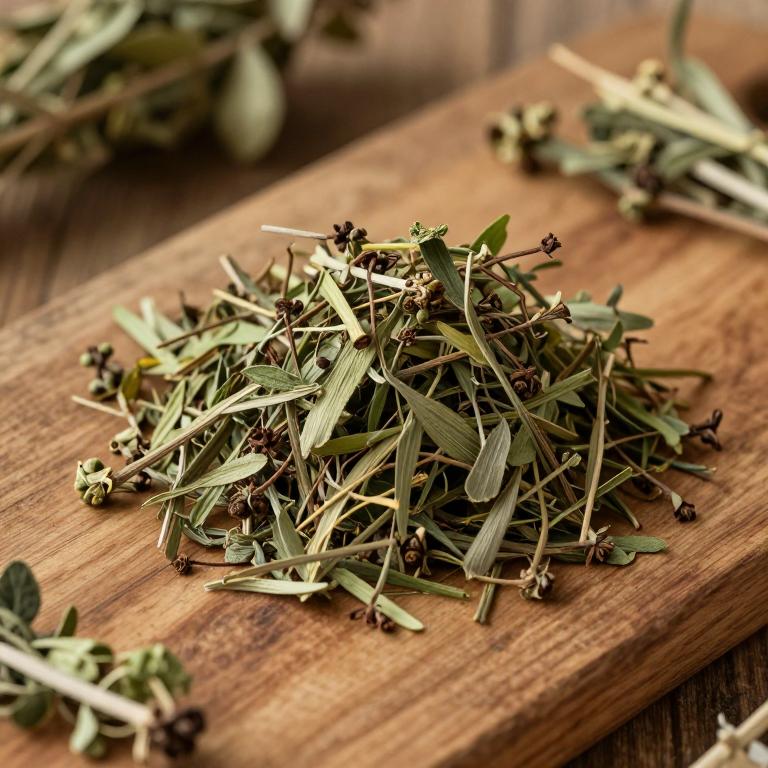
Strychnos represents a significant genus of plants known for containing potent chemical compounds such as brucine and strychnine. Various parts of the plant, including the leaf, root, seed, and stem, have been extensively studied for their biological potential. Researchers often utilize crude methanolic extracts to isolate the bioactive constituents necessary for medicinal applications. These extracts have demonstrated notable antimalarial and antiplasmodial activities in scientific evaluations. Consequently, the genus holds great promise in the ongoing efforts to develop effective treatments for malaria.
- Synonyms
- Scyphostrychnos · Chemnicia · 9 more
- Common names
- Not available
- Family
- Loganiaceae
- Distribution
- Northern America
- Plant Parts
- Leaf · Root
Classification
Common Names
Strychnos is a diverse genus of plants known by many different names across various cultures and languages. In many regions, these species are popularly referred to as Bitterberry or Monkey Orange trees. They are also identified by the German name Brechnüsse, while some varieties are famously associated with Curare and Strychnine plants. In certain contexts, they are simply called Klappers or Monkey Oranges. This variety of common names reflects the wide-ranging botanical and historical significance of the genus.
Sources: Catalogue of Life (COL)
Synonyms
Strychnos is a complex genus that has historically been classified under several different botanical names. Throughout various taxonomic revisions, it has been identified by synonyms such as Atherstonea and Brehmia. Researchers have also encountered this group under the labels of Chemnicia and Curare in older scientific literature. Furthermore, the name Ignatia has been used synonymously to describe certain species within this diverse lineage. Understanding these overlapping names is essential for maintaining clarity in modern botanical studies.
Sources: The World Checklist of Vascular Plants (WCVP)
Taxonomy
Strychnos belongs to the expansive kingdom Plantae, representing a diverse group of living organisms. Within this kingdom, it is classified under the class Equisetopsida. The plant is further categorized into the order Gentianales, which defines its specific evolutionary lineage. It is a member of the family Loganiaceae, a group known for various distinct botanical characteristics. Ultimately, it sits within its own namesake genus, Strychnos, which distinguishes it from other related species.
| Rank | Classification |
|---|---|
| Kingdom | Plantae |
| Phylum | Streptophyta |
| Class | Equisetopsida |
| Subclass | Magnoliidae |
| Order | Gentianales |
| Family | Loganiaceae |
| Genus | Strychnos |
Sources: The World Checklist of Vascular Plants (WCVP)
Distribution
Geographic Regions
Strychnos exhibits a broad distribution across the diverse landscapes of the African continent. In East Tropical Africa, this genus can be found spanning the territories of Kenya, Tanzania, and Uganda. Its presence also extends into the Northeast Tropical regions, reaching into the country of Chad. Furthermore, the plant is documented within the borders of Eritrea, illustrating its wide ecological range. This widespread occurrence highlights the adaptability of Strychnos to various African environments.
Sources: The World Checklist of Vascular Plants (WCVP)
Identification
Biological Activities
Strychnos species represent highly promising candidates for the development of new antimalarial treatments due to their diverse alkaloid content. Recent research has confirmed that extracts from various species within this genus exhibit significant antiplasmodial activities against Plasmodium falciparum. Specifically, screening of multiple methanolic extracts revealed that several species possess both good and promising levels of effectiveness. Through the use of molecular networking, scientists have identified unknown alkaloids that may hold even greater potential for combating malaria. These findings underscore the critical importance of continued study into the Strychnos genus to discover new therapeutic leads.
Compounds
Strychnos species are recognized for their complex chemical profiles, most notably their significant alkaloid content. Scientific analysis using HPLC has confirmed that Strychnos contains brucine, which can be found in various parts of the plant such as the seeds, roots, and leaves. Furthermore, these plants are a vital source of strychnine, with specific species like S. wallichiana showing high concentrations in their seeds. Beyond these well-known compounds, molecular networking studies have identified alkaloids closely related to usambarensine within the genus. These diverse chemical relationships highlight the immense potential of Strychnos in developing new therapeutic treatments, particularly for malaria.
Conditions
Strychnos is identified as an over-represented genus in southern African ethnopharmacology for its use in treating female sexual and reproductive problems. Beyond these reproductive applications, the genus also plays a significant role in the management of febrile and mosquito-vector diseases. Specifically, various species within Strychnos have demonstrated promising antiplasmodial activities against the Plasmodium falciparum parasite. Research into the alkaloid content of these plants has confirmed their potential as effective candidates for developing new malaria treatments. Consequently, the genus serves as a vital medicinal resource for addressing both reproductive health issues and malaria.
Preparations
Strychnos species are prepared as crude methanolic extracts to facilitate the study of their medicinal properties. Researchers utilized 43 of these crude methanolic extracts derived from 28 different species within the genus to screen for antiplasmodial activities. This specific preparation method allowed for the testing of the plant's effectiveness against the Plasmodium falciparum parasite. By analyzing these methanolic extracts through molecular networks, scientists were able to identify promising alkaloid content. Consequently, the use of crude methanolic extracts serves as a critical step in uncovering new antimalarial leads from the Strychnos genus.
Parts used
Strychnos species serve as significant botanical sources for the extraction of alkaloids like strychnine and brucine. Research utilizing HPLC has demonstrated that these chemical compounds are distributed throughout various anatomical components of the plant. Specifically, the presence of these substances can be identified within the leaves, roots, and stems of the species. Furthermore, the seeds of certain varieties, such as S. wallichiana and S. ignatii, contain notable concentrations of strychnine. Understanding these relationships between the plant parts and their chemical contents is essential for developing these species as valuable medicinal resources.