Struthanthus orbicularis
Struthanthus orbicularis · Accepted scientific name
Scientific literature: Very Sparse (0 studies) · ★☆☆☆☆
Struthanthus orbicularis is a specialized parasitic plant known for its unique ecological role within its native habitat. Scientific investigations into this species often focus on the chemical composition of its foliage. Specifically, researchers utilize the leaf as the primary source for developing various ethanolic extracts. These preparations allow for the isolation of bioactive compounds that may possess significant therapeutic potential. Understanding the properties of these extracts is essential for uncovering the plant's full pharmacological profile.
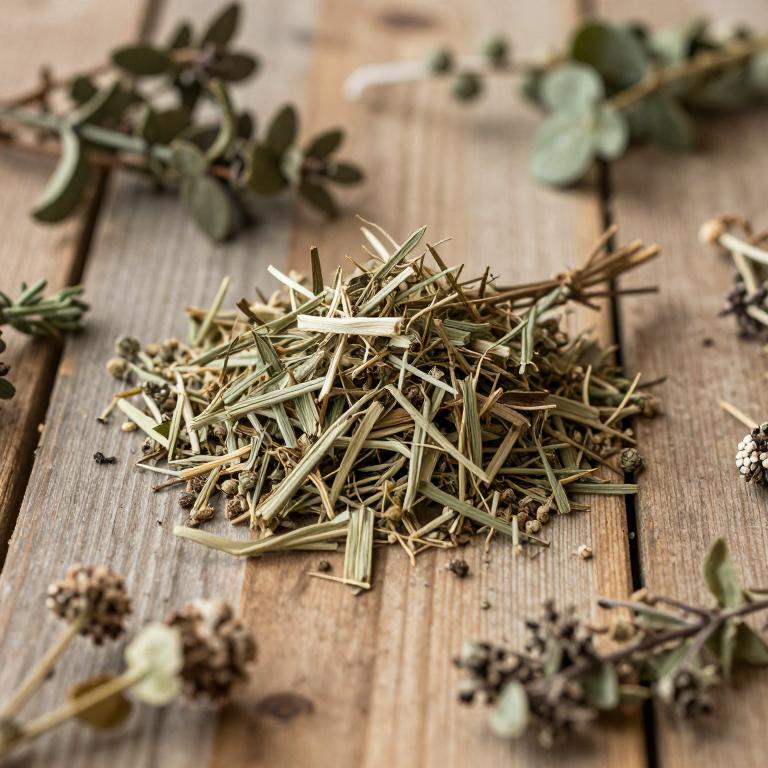
- Synonyms
- Struthanthus Lucarquensis · Eichlerina Orbicularis · 10 more
- Common names
- Not available
- Family
- Loranthaceae
- Distribution
- Southern America
- Plant Parts
- Leaf
Classification
Synonyms
Struthanthus orbicularis is a botanical species recognized by a diverse array of scientific synonyms. Throughout taxonomic history, it has been identified under various names, including Eichlerina orbicularis and Loranthus chordocladus. The plant is also cataloged within botanical records as Loranthus lucarquensis and Loranthus orbicularis. Furthermore, researchers have historically referred to this specimen as Notanthera orbicularis. Understanding these shifting classifications is essential for accurately tracking the plant's place within the natural world.
Sources: The World Checklist of Vascular Plants (WCVP)
Taxonomy
Struthanthus orbicularis is a unique botanical specimen that belongs to the vast kingdom Plantae. Within this kingdom, it is classified under the class Equisetopsida and follows the specific order Santalales. This plant is further defined by its membership in the family Loranthaceae, which characterizes its growth and ecological role. It is also a distinguished member of the genus Struthanthus. Together, these biological classifications provide a complete scientific profile of this remarkable species.
| Rank | Classification |
|---|---|
| Kingdom | Plantae |
| Phylum | Streptophyta |
| Class | Equisetopsida |
| Subclass | Magnoliidae |
| Order | Santalales |
| Family | Loranthaceae |
| Genus | Struthanthus |
Sources: The World Checklist of Vascular Plants (WCVP)
Distribution
Geographic Regions
Struthanthus orbicularis exhibits a remarkably wide geographic range that spans across multiple continents. In North America, the species is found throughout various regions of Mexico, including the Southeast and Southwest. Its presence extends into Central America, where it can be specifically identified within the country of Belize. Moving into South America, the plant establishes itself across significant portions of Brazil, spanning the North and West-Central territories. This expansive distribution highlights the plant's ability to thrive in diverse ecological environments across the Americas.
Sources: The World Checklist of Vascular Plants (WCVP)
Identification
Morphology
Struthanthus orbicularis is characterized by its distinct shrub-like growth form. As a self-supporting plant, it maintains its own structural integrity without the need for external support.
Sources: Global Inventory of Floras and Traits (GIFT)
Biological Activities
Compounds
Conditions
Struthanthus orbicularis demonstrates significant therapeutic potential through its ability to neutralize various effects of Bothrops asper venom. The ethanolic extracts of this plant effectively treat edema-forming activity by providing high levels of inhibition in a dose-dependent manner. Furthermore, the plant acts to treat the defibrinating effect of the venom, showing a 100% neutralizing ability when preincubated. It also plays a crucial role in treating coagulation time by prolonging the clotting process induced by the venom. These combined pharmacological actions highlight the plant's efficacy in mitigating the complex biological impacts of snake venom.
Preparations
Struthanthus orbicularis is prepared as ethanolic extracts to study its biological activity. These specific extracts were derived from the leaves and branches of the plant. During the research, these preparations were tested for their ability to neutralize the effects of Bothrops asper venom. The study found that these ethanolic extracts of Struthanthus orbicularis showed a high capacity to inhibit the edema-forming activity of the venom. This dose-dependent inhibition contributed to the identification of the plant as a highly effective medicinal agent in the study.
Parts used
Struthanthus orbicularis serves as a significant subject in pharmacological studies focused on the medicinal properties of Colombian flora. In recent research evaluating traditional healer remedies, the leaves of this specific plant were utilized to create ethanolic extracts. These extracts were tested for their ability to counteract the harmful effects of Bothrops asper venom in controlled mouse models. The study revealed that the leaf extracts of S. orbicularis demonstrated a high capacity to partially neutralize the venom's edema-forming activity. This finding highlights the potential therapeutic value of the plant's foliage in mitigating complex venom-induced symptoms.