Strobilanthes
Strobilanthes · Accepted scientific name
Scientific literature: Very Sparse (0 studies) · ★☆☆☆☆
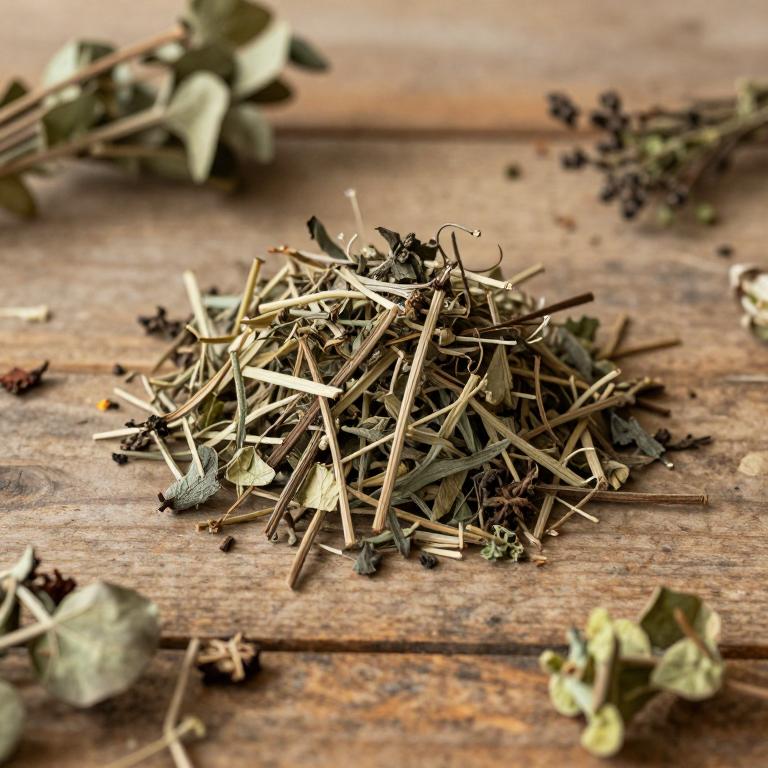
Strobilanthes is a diverse genus of plants known for their unique botanical characteristics and medicinal potential. This plant is rich in bioactive compounds, specifically containing valuable sterols and terpenoids. In traditional practices, it is utilized in specific herbal preparations such as Nanbanlangen and Nandaqingye. These formulations highlight the historical importance of the plant in various therapeutic applications. Understanding its chemical profile offers deeper insight into its functional roles in nature.
- Synonyms
- Baphicacanthus · Didyplosandra · 60 more
- Common names
- Not available
- Family
- Acanthaceae
- Distribution
- Asia-Temperate
- Plant Parts
- Not available
Classification
Common Names
Strobilanthes is a versatile genus of flowering plants that is recognized by a variety of different common names across various regions. In certain cultural contexts, it is affectionately referred to as Chi Chùy hoa. Gardeners and botanists may also identify these plants as Coneflowers or simply as Strobilantes. Some enthusiasts use the more specific names ametistbuskar or ametistbusksläktet to describe them. Regardless of the name used, this diverse group of plants remains a captivating subject for nature lovers everywhere.
Sources: Catalogue of Life (COL)
Synonyms
Strobilanthes is a complex genus that encompasses several diverse botanical identities. Within its taxonomic scope, it is recognized by various synonyms including Adenacanthus and Adenostachya. Researchers also frequently encounter the names Aechmanthera and Apolepsis when studying its different classifications. Furthermore, the genus is linked to the synonym Baphicacanthus in certain botanical contexts. Understanding these overlapping names is essential for accurate identification within the plant kingdom.
Sources: The World Checklist of Vascular Plants (WCVP)
Taxonomy
Strobilanthes is a fascinating member of the kingdom Plantae that showcases the incredible diversity of the natural world. This plant belongs to the class Equisetopsida and is specifically categorized within the order Lamiales. Further classification places it into the distinct family Acanthaceae, highlighting its unique botanical characteristics. Within this group, it is identified by its own dedicated genus, which defines its specific evolutionary lineage. Understanding these taxonomic relationships provides essential insight into how this plant fits into the broader tree of life.
| Rank | Classification |
|---|---|
| Kingdom | Plantae |
| Phylum | Streptophyta |
| Class | Equisetopsida |
| Subclass | Magnoliidae |
| Order | Lamiales |
| Family | Acanthaceae |
| Genus | Strobilanthes |
Sources: The World Checklist of Vascular Plants (WCVP)
Distribution
Geographic Regions
Strobilanthes exhibits a broad and diverse geographic range across the African continent and its surrounding waters. Within mainland Africa, the genus can be found stretching from the arid regions of Chad to the lush landscapes of Benin. Its presence extends further into West-Central Tropical Africa, specifically documented within the borders of Cameroon. Beyond the continent, the plant thrives in the unique ecosystems of the Western Indian Ocean. This expansive distribution is highlighted by its occurrence in the Chagos Archipelago as well as the island of Mauritius.
Sources: The World Checklist of Vascular Plants (WCVP)
Identification
Biological Activities
Compounds
Conditions
Preparations
Strobilanthes species are frequently used as substitutes for authentic medicinal materials in the market. Specifically, Strobilanthes is prepared as Nanbanlangen, which often replaces the genuine Isatidis Radix known as Banlangen. Additionally, Strobilanthes is prepared as Nandaqingye, serving as a common adulterant for the authentic Isatidis Folium called Daqingye. This widespread substitution occurs largely due to a regional preference for these specific herbs in southern China. Consequently, there is a pressing need for better morphological differentiation to distinguish between the authentic Isatis species and those prepared from Strobilanthes.