Strobilanthes dimorphotricha subsp. dimorphotricha
Strobilanthes dimorphotricha subsp. dimorphotricha · Accepted scientific name
Scientific literature: Very Sparse (0 studies) · ★☆☆☆☆
Strobilanthes dimorphotricha subsp. dimorphotricha is a specialized botanical specimen currently under rigorous scientific investigation. This study focuses on the biological activity of its ethanolic extract when applied to cellular models. Specifically, the research examines the interaction between these plant compounds and K562 cells. By utilizing this specific leukemia cell line, researchers aim to uncover the extract's potential therapeutic properties. Such investigations are critical for understanding the pharmacological potential inherent in this particular subspecies.
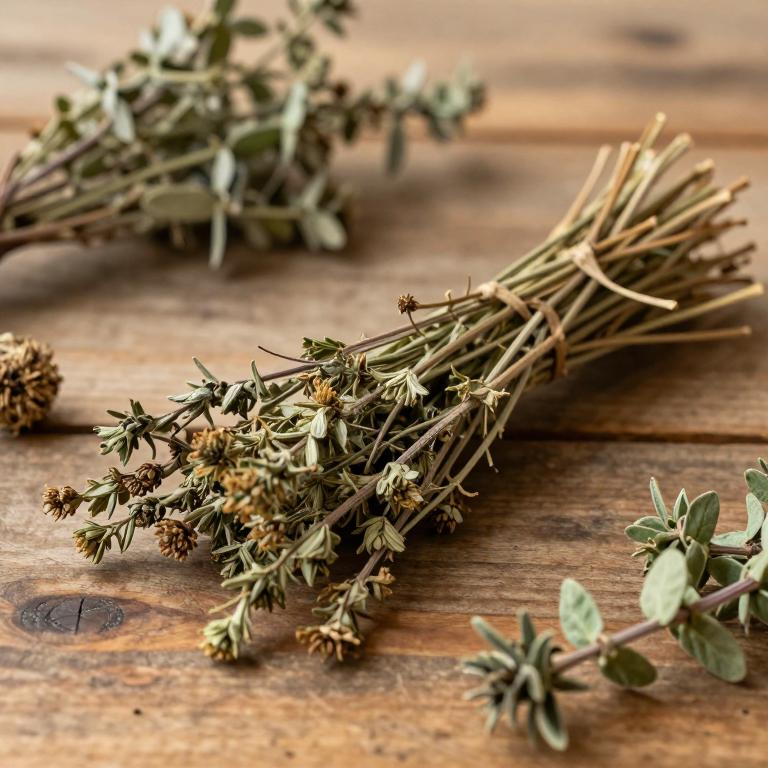
- Synonyms
- Strobilanthes Seguinii · Strobilanthes Geniculata · 12 more
- Common names
- Not available
- Family
- Acanthaceae
- Distribution
- Not available
- Plant Parts
- Not available
Classification
Synonyms
Strobilanthes dimorphotricha subsp. dimorphotricha is a botanical subject characterized by a complex history of taxonomic classifications. Throughout various studies, this specific subspecies has been associated with several different names originally placed in the genus Goldfussia. Specifically, it has been identified under the synonyms Goldfussia chaffanjonii and Goldfussia equitans. Its classification history also includes connections to Goldfussia geniculata and Goldfussia psilostachys. Finally, the name Goldfussia seguinii serves as another recognized synonym within this intricate web of botanical nomenclature.
Sources: The World Checklist of Vascular Plants (WCVP)
Taxonomy
Strobilanthes dimorphotricha subsp. dimorphotricha is a specialized botanical specimen belonging to the vast kingdom Plantae. Within this kingdom, it is classified under the class Equisetopsida and the order Lamiales. This plant is a member of the distinct genus Strobilanthes, which showcases its unique evolutionary lineage. Furthermore, its taxonomic identity is firmly rooted within the family Acanthaceae. Understanding these hierarchical relationships provides essential insight into the biological identity of this specific subspecies.
| Rank | Classification |
|---|---|
| Kingdom | Plantae |
| Phylum | Streptophyta |
| Class | Equisetopsida |
| Subclass | Magnoliidae |
| Order | Lamiales |
| Family | Acanthaceae |
| Genus | Strobilanthes |
Sources: The World Checklist of Vascular Plants (WCVP)
Distribution
Geographic Regions
Strobilanthes dimorphotricha subsp. dimorphotricha exhibits a diverse geographical range spanning across several key regions of Asia. Within the temperate zones, it is widely distributed throughout various parts of China, including the South-Central and Southeast regions. Its presence also extends to the island of Hainan and across Eastern Asia into Taiwan. Beyond these temperate habitats, the subspecies thrives in tropical environments found within the Indian Subcontinent, specifically in Assam. This broad distribution highlights the plant's ability to adapt to both temperate and tropical climates across the continent.
Sources: The World Checklist of Vascular Plants (WCVP)
Identification
Biological Activities
Compounds
Conditions
Strobilanthes dimorphotricha subsp. dimorphotricha treats K562 cells through its biological properties. This specific plant subspecies acts upon K562 leukemia cells in a targeted manner. The relationship focuses on how the plant substance interacts with these particular cell lines. By targeting these cells, Strobilanthes dimorphotricha subsp. dimorphotricha provides a mechanism for treating K562 leukemia cells. Consequently, the interaction between the plant and the K562 cells defines its therapeutic potential.
Preparations
Strobilanthes dimorphotricha subsp. dimorphotricha is prepared as an ethanolic extract for study. This specific preparation method is utilized to isolate bioactive compounds from the plant material. The resulting ethanolic extract serves as the primary medium for evaluating biological activities. Researchers focus on this extraction process to ensure the concentrated components are available for testing. Therefore, the preparation of the ethanolic extract is a fundamental step in analyzing this subspecies.